What Should You Leave Behind When Selling Your House?
At a glance: What should you leave behind?
- Leave fixtures and permanently installed items that are included in the sale.
- Keep appliances, furniture, curtains, and other removable items consistent with the signed agreement.
- Leave all agreed keys, garage remotes, access cards, and entry codes.
- Gather manuals, warranties, and service records for appliances and systems staying with the house.
- Remove personal belongings, unwanted furniture, rubbish, and anything the buyer has not agreed to receive.
- Leave the property in the condition required by your contract and local rules.
- Record utility meter readings and arrange the transfer or cancellation of services as appropriate.
Start with your sale agreement, not assumptions
Before you start deciding what goes into the moving truck, check the signed purchase agreement and any attached addenda. These documents are the best starting point for determining what you must leave behind.
It is easy to assume that anything you can unscrew, unplug, or carry away belongs to you. However, an item may be included in the sale because it is permanently attached to the property, was specifically listed in the agreement, or was part of your negotiations with the buyer.
For example, you might have bought a beautiful dining room chandelier several years ago. You may consider it personal property because you paid for it yourself. But if the chandelier is a fixture included in the sale, removing it without an agreed exception could create a problem.
The reverse can also happen. A buyer may assume the refrigerator, washer, dryer, or freestanding shelving will stay simply because it was present during showings. Unless the agreement or applicable rules say otherwise, you should not rely on assumptions about removable items.
1. Fixtures that generally stay with the house
A fixture is generally an item attached to a property in a way that makes it part of the home. The exact legal treatment can vary by state and circumstances, so your contract and local guidance matter.
Common examples of fixtures that may need to remain include:
Light fixtures and ceiling fans
Installed chandeliers, ceiling lights, wall sconces, and ceiling fans are commonly treated as fixtures. If you want to take a special fixture, arrange an exclusion in advance and agree on any replacement.
Built-in kitchen features
Cabinets, countertops, built-in shelving, and permanently installed storage normally form part of the property rather than ordinary personal belongings.
Bathroom fittings
Vanities, installed mirrors, towel bars, faucets, and other attached bathroom components generally remain unless a specific agreement or applicable rule provides otherwise.
Window hardware and attached coverings
Curtain rods, permanently installed blinds, and certain custom window treatments may be included. Check whether the agreement distinguishes between the hardware and the fabric curtains.
Heating and cooling equipment
Installed HVAC equipment, thermostats, and associated controls are normally part of the home’s systems. Do not remove them without confirming your contractual obligations.
Outdoor installations
Attached mailboxes, installed outdoor lighting, built-in irrigation components, and established landscaping may be part of the property. Portable garden furniture is different.
These are general examples, not a universal legal checklist. If an item is unusual, expensive, or important to you, ask your real estate agent or attorney how it should be handled before removing it.
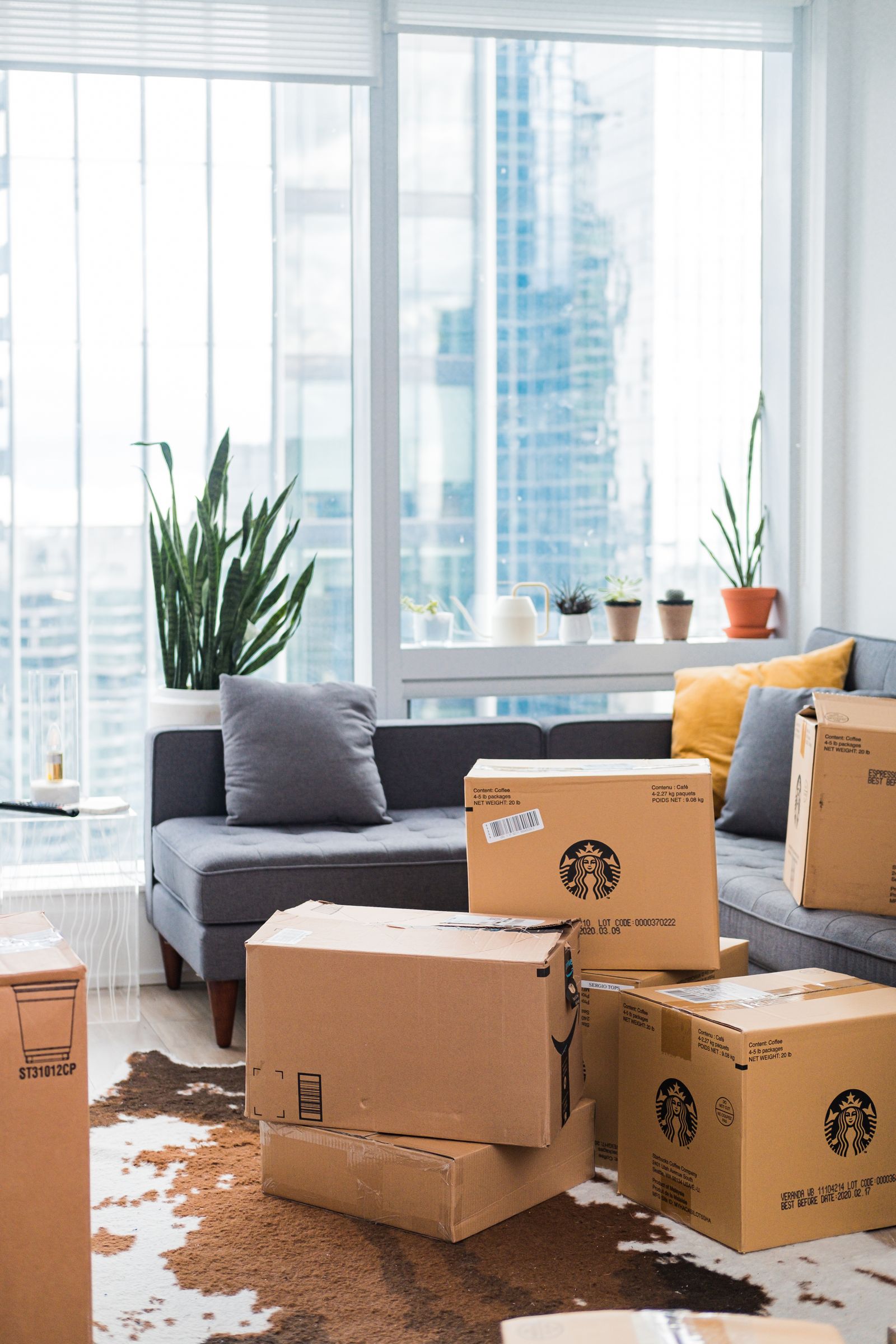
2. Appliances: Check which ones are included
Appliances are among the most common sources of confusion when a home changes hands. Some may be built into the kitchen, while others can be unplugged and moved in minutes. Neither situation automatically settles every contractual question.
Check the agreement for each major appliance rather than treating the kitchen or laundry room as one package.
| Item | What to check before moving out |
|---|---|
| Refrigerator | Confirm whether it is included, excluded, or specifically identified in the agreement. |
| Oven and range | Check the contract and applicable requirements. Do not assume an installed cooking appliance can be removed. |
| Dishwasher | Confirm whether it is included and whether it must remain installed and operational. |
| Washer and dryer | These may be treated as personal property unless included in the deal or required by local rules. |
| Microwave | A built-in or over-the-range unit may be treated differently from a freestanding countertop microwave. |
| Water softener or filtration system | Determine whether the equipment is owned, leased, attached, or specifically included in the sale. |
If you plan to take an appliance, check the agreement before disconnecting it. If the buyer is receiving it, leave it in the agreed condition and avoid damaging cabinets, flooring, electrical connections, plumbing, or walls during your move.
Also check whether a piece of equipment is leased rather than owned. A leased water treatment system, solar installation, or security system may involve a separate transfer or cancellation process.
3. Keys, remotes, codes, and access devices
These items are easy to overlook because they are small and often scattered around the house. Yet they can be among the most useful things you leave for the next owner.
Gather every key, remote, and access device associated with the property. Depending on the home, that may include:
- Front, back, side, and other exterior door keys.
- Deadbolt keys and keys for secondary locks.
- Garage door openers and any separate keypad instructions.
- Mailbox keys, where the mailbox is part of the handover.
- Keys to sheds, gates, storage rooms, and detached garages.
- Community gate cards, parking passes, and access fobs, if applicable.
- Instructions for smart locks, thermostats, and other connected devices.
For smart-home equipment, follow the manufacturer’s instructions to remove your personal accounts, transfer device ownership where supported, and provide the buyer with the information needed to set up their own access. Do not leave your personal passwords or private account credentials behind.
4. Manuals, warranties, and home maintenance records
You do not always have to provide a folder of paperwork, but leaving useful documentation is a thoughtful and practical way to help the new owner.
Start with equipment that is expensive to repair, unfamiliar to operate, or essential to the home’s day-to-day functioning.
Appliance manuals
Collect the manuals for any refrigerator, dishwasher, oven, washer, dryer, or other appliance included in the sale. Digital copies are useful if the original paperwork is missing.
HVAC information
Leave available operating instructions, filter specifications, recent service records, and information about the heating and cooling equipment.
Warranty paperwork
Gather warranties and receipts for relevant repairs, roof work, appliances, or renovations. Check whether any warranty is transferable and what conditions apply.
Renovation and repair records
Where available, organize permits, contractor details, invoices, and maintenance records for significant work. Provide accurate information rather than promising that work was approved or warranted without evidence.
You can put the documents in a labeled folder and leave it in an agreed, easy-to-find location. Alternatively, arrange a secure digital handover through your agent.
Be careful with documents containing personal information, financial account numbers, passwords, or other sensitive details. Share only information that is relevant to the property and appropriate for the buyer to receive.
5. Cleaning supplies and leftover household items
When moving day arrives, you may be tempted to leave things behind simply because they are too awkward to pack or you no longer need them. A few useful supplies can be welcome, but unwanted belongings are not automatically a gift.
Unless the buyer has agreed to receive them, remove personal possessions, leftover food, rubbish, and items that have no place in the sale agreement.
That includes old paint cans, broken furniture, half-empty cleaning bottles, unused building materials, and miscellaneous items stored in the garage or attic.
If you want to leave something useful, ask first. A new owner may appreciate spare floor tiles that match the kitchen or an unopened filter for the installed HVAC system. They may not want a collection of partly used chemicals or an old lawn mower that no longer works.

What about leftover paint and spare materials?
Leftover paint can be helpful when the next owner needs to touch up a wall, particularly if the color and finish match the existing surface. Label it clearly with the room, color, and any information you have.
However, do not leave leaking containers, unidentified chemicals, hazardous materials, or products that cannot be stored safely. Follow your local waste authority’s guidance for disposal. Rules for paint, solvents, pesticides, and other household hazardous waste vary by location.
6. Outdoor items, garden equipment, and sheds
Outdoor spaces often contain more belongings than sellers realize. Walk around the yard, patio, garage, and storage areas before you decide the property is ready.
Portable belongings generally go with you unless the buyer has agreed to keep them. This can include:
- Patio chairs, outdoor tables, and movable umbrellas.
- Portable grills and outdoor cooking equipment.
- Garden hoses, portable sprinklers, and loose tools.
- Lawn mowers, leaf blowers, and other garden equipment.
- Planters, movable pots, and decorative garden ornaments.
- Freestanding play equipment and portable storage containers.
By contrast, a permanently installed shed, built-in outdoor kitchen, attached light fixture, or irrigation system may be part of the property or specifically included in the sale.
Do not remove established plants, trees, installed landscaping, or other features that the buyer reasonably expects to receive without checking your agreement first. If you want to take a special plant or garden ornament, agree on the exception before closing and repair any damage caused by its removal.
7. What should you do with curtains, blinds, and wall-mounted items?
Window treatments and wall-mounted items can sit in a gray area between fixtures and personal property. The answer often depends on how the item is attached, the local rules, and what the parties agreed to.
For example, a removable curtain may be treated differently from its installed rod or a custom-fitted blind. A television is generally personal property, but a wall mount may be included in the sale if the agreement says so.
Before taking something down, ask yourself three questions:
- Is the item specifically included or excluded in the signed agreement?
- Could removing it damage the wall, ceiling, flooring, or another part of the home?
- Will its removal leave exposed wiring, holes, unfinished surfaces, or an unsafe condition?
If an item is yours to remove, do the work carefully and check whether you need to patch holes, repair damage, or leave replacement hardware. Do not remove a fixture that is included in the sale simply because you have a more expensive replacement waiting at your new home.
8. Leave the house clean and ready for handover
You generally do not need to make a sold house look brand-new. You do, however, need to meet the condition and possession requirements in your contract and comply with applicable law.
A clean, empty, orderly property makes the handover easier and gives the buyer a chance to start moving in without immediately dealing with the previous owner’s belongings.
Focus on the basics:
Kitchen and bathrooms
Remove personal products and food, clear counters, dispose of rubbish, and leave the surfaces reasonably clean according to the agreed condition.
Floors and rooms
Remove furniture and personal belongings that are not included. Vacuum or sweep floors and check closets, cabinets, and storage spaces.
Garage and storage
Check shelves, workbenches, attic access areas, sheds, and utility spaces for forgotten items. Remove unwanted materials unless their inclusion has been agreed.
Exterior and yard
Collect rubbish, remove portable belongings, and leave outdoor areas in the condition required by the agreement.
Pay particular attention to anything that could create a safety concern, such as exposed wires, disconnected plumbing, damaged steps, or an appliance that was required to remain operational.
If you discover damage while moving out, do not simply cover it up or assume it will not matter. Review your obligations and speak with your agent or attorney about the appropriate next step.
9. Utilities, meter readings, and service transfers
Utility arrangements are not physical items to leave behind, but they are an important part of a smooth property handover.
Contact your utility providers ahead of time to understand how and when to end or transfer your accounts. Depending on the service and local process, the buyer may need to establish a new account rather than take over yours.
Before leaving, make a record of relevant meter readings where accessible and appropriate. Keep a copy for your own records and coordinate timing with your agent or closing instructions.
Consider the following services:
- Electricity and natural gas.
- Water and sewer service, where separately billed.
- Internet, cable, and telephone services.
- Monitored security alarms and smart-home subscriptions.
- Solar equipment, leased systems, or other services tied to the property.
- Trash collection or other locally managed services.
Do not disconnect essential utilities prematurely if doing so would conflict with the agreement, risk damage, or leave the property unsafe. For example, temperature-sensitive conditions may require heating or cooling to remain operational during a particular period.
10. A practical final walkthrough checklist for sellers
Before handing over possession, walk through the property one last time. It is much easier to catch a forgotten garage remote or a box in a closet now than after you have moved several hours away.
- Reviewed the signed purchase agreement and all relevant addenda.
- Left all fixtures and other items included in the sale.
- Confirmed the status of refrigerators, laundry appliances, and other removable equipment.
- Removed personal belongings from closets, cabinets, drawers, and storage spaces.
- Cleared the garage, attic, basement, shed, and outdoor areas as required.
- Removed rubbish and disposed of unwanted materials appropriately.
- Collected all keys, garage remotes, access cards, and relevant instructions.
- Organized available manuals, warranties, and maintenance records for included equipment.
- Checked that no removal work caused avoidable damage or left an unsafe condition.
- Completed the agreed cleaning and property-condition requirements.
- Recorded appropriate meter readings and arranged utility account changes.
- Followed the agreed closing, possession, and key-handover instructions.
Common mistakes to avoid when moving out
Taking a fixture without permission
Even an expensive or sentimental light fixture may be included in the sale. Agree on exclusions before removing it.
Assuming appliances are yours to take
Check the contract item by item, especially if appliances were advertised, negotiated, or specifically identified.
Leaving unwanted belongings
A buyer should not have to arrange disposal of your old furniture, rubbish, or leftover household materials unless that arrangement was agreed.
Forgetting access devices
Missing keys, garage remotes, and gate cards can make moving in unnecessarily difficult. Gather them before moving day.
Disconnecting equipment carelessly
Removing appliances or electronics can leave damaged surfaces, exposed wiring, or plumbing problems. Check your obligations and use a qualified professional where necessary.
Relying on a verbal agreement
If the buyer agrees to keep a particular item or lets you take a fixture, document the arrangement through the appropriate contract process.
Frequently Asked Questions
Do I have to leave curtains when selling my house?
Not necessarily. Curtains may be treated as personal property, while rods, installed blinds, and custom window treatments may be included. Check your purchase agreement and local rules before removing any window coverings.
Can I take my refrigerator when I sell my house?
It depends on the agreement and applicable requirements. A freestanding refrigerator may be excluded from the sale, but it may also have been promised to the buyer. Confirm its status before moving it.
Should I leave paint for the new homeowners?
Matching leftover paint can be helpful for future touch-ups if it is clearly labeled and safe to store. Ask whether the buyer wants it, and dispose of hazardous or unsuitable materials according to local guidance.
Do I need to leave appliance manuals and warranties?
They are useful when available, especially for equipment included in the sale. Gather manuals, maintenance records, and warranty information, and check whether any warranty can be transferred. Your contract may specify additional requirements.
Can I leave unwanted furniture behind?
Only if the buyer has agreed to accept it or the sale terms otherwise provide for it. Otherwise, arrange removal or disposal before handing over the property.
Do I have to professionally clean the house before closing?
Not universally. The required condition depends on the purchase agreement and applicable state or local rules. Review your contract rather than assuming professional cleaning is always mandatory.
What happens if I accidentally remove something that should have stayed?
Contact your real estate agent promptly and explain what happened. Depending on the circumstances, the parties may agree on returning the item, replacing it, or another resolution. Your contractual obligations and local law determine the available options.
Should I leave the keys inside the house?
Follow the closing and key-handover instructions provided by your agent or closing professional. Hand over all required keys and access devices securely rather than leaving them in an unapproved location.
Leave the house ready for its next chapter
When selling your house, the goal is to leave behind everything the buyer is entitled to receive, remove what belongs to you, and make the transition as straightforward as possible.
Start with the signed purchase agreement. Check fixtures and appliances carefully, gather keys and useful equipment records, clear out personal belongings, and complete a final walkthrough before handing over possession.
Remember that fixture rules, disclosure requirements, and closing customs can vary by state and locality. If you are uncertain about an expensive item, a leased system, or a contractual obligation, ask your real estate agent or a qualified real estate attorney before making changes.
A little preparation now can help prevent avoidable disagreements and give the next owner a much better start.
Sources and further reading
For additional guidance on preparing a home for sale and determining which items belong in the transaction, consult these resources:
- National Association of REALTORS®: Consumer Guide to Preparing to Sell Your Home
- Realtor.com: What Stays With the House When You Move?
- Massachusetts government: Residential Purchase and Sale Agreement information
These resources provide general background. The terms of your own contract and the laws applicable to your property’s location should guide your decisions.
Read more posts

Wooded 16.94-Acre Cape Cod with Private Pond, Wraparound Deck and 24×40 Pole Barn in Onondaga, Michigan — $474,000
0 (0) ♡ 1 / 52 View all 52 photos × 1 / 52 ‹ › Property Overview A wooded…

13.17 Wooded Acres with Pond, Cedar Great Room and 2,000 Sq Ft Second Building in Pocono Lake, PA — $450,000
0 (0) ♡ 1 / 45 View all 45 photos × 1 / 45 ‹ › Property Overview Set across…

Lakefront 10.87-Acre Property with Cleared Grounds, Fenced Acreage, Manufactured Home and Sheds in Keystone Heights, Florida — $175,000
0 (0) ♡ 1 / 8 View all 8 photos × 1 / 8 ‹ › Property Overview An expansive…