How to Stage a House for Sale on a Budget
At a glance: Budget home staging
- Declutter countertops, shelves, closets, and busy surfaces before buying anything new.
- Rearrange existing furniture to make rooms feel open, comfortable, and easy to navigate.
- Give the kitchen and bathrooms a thorough clean, then add a few simple finishing touches.
- Improve lighting by opening curtains, cleaning windows, and replacing unsuitable bulbs.
- Make the front entrance and yard look cared for with inexpensive maintenance.
- Use neutral bedding, fresh towels, and a limited color palette to create a consistent look.
- Prioritize the living room, primary bedroom, and kitchen instead of trying to style every corner.
- Set a spending limit before shopping and avoid major upgrades that buyers may not value.
What does it mean to stage a house for sale?
Home staging means arranging and presenting a property so potential buyers can understand its layout, appreciate its features, and imagine living there. It is less about making a home look luxurious and more about helping people see the space clearly.
That distinction matters when money is tight. You don’t necessarily need rented furniture, designer accessories, or a professionally styled interior. A clean living room with sensible furniture placement can be more appealing than an expensive room crowded with decorative pieces.
The National Association of REALTORS® reported in its 2025 Profile of Home Staging that 83% of buyers’ agents surveyed said staging made it easier for buyers to visualize a property as their future home. That does not guarantee a higher offer or a faster sale, but it helps explain why presentation deserves attention.
Your goal is simple: make the property feel clean, cared for, spacious enough for its intended use, and easy to imagine as someone else’s home.

1. Start by decluttering before spending a dollar
If you do only one thing before staging your house, make it decluttering. It costs very little, makes cleaning easier, and can improve how buyers perceive the available space.
Over time, most homes collect extra furniture, decorative objects, paperwork, shoes, kitchen appliances, and things that no longer have a clear place. You may be completely used to them, but a buyer walking through the front door sees everything at once.
Begin with the most visible areas: entryways, living rooms, kitchen counters, bathroom vanities, and bedroom surfaces. Remove items that don’t serve a useful purpose or contribute to the room’s appearance.
What should you remove?
- Excess cushions, blankets, ornaments, and small decorative objects.
- Personal photographs and collections that dominate walls or shelves.
- Unused kitchen appliances, magnets, paperwork, and countertop clutter.
- Extra chairs, side tables, and furniture that obstruct walking paths.
- Bathroom products, laundry baskets, cleaning supplies, and personal toiletries.
- Shoes, coats, bags, and miscellaneous items near the front entrance.
- Items stored on top of wardrobes, cabinets, and other highly visible surfaces.
Don’t simply move everything into an overfilled closet. Buyers may open storage spaces, and packed shelves can make storage appear insufficient. Pack away seasonal belongings and items you won’t need before moving day. If necessary, compare the cost of a short-term storage unit with the convenience of keeping excess belongings in the house.
Budget tip: Use boxes you already own, reuse sturdy moving cartons, and work through one room at a time. You may discover that you don’t need to buy a single decorative item to make the space look better.
2. Rearrange furniture instead of buying new pieces
Furniture placement can change how a room feels without changing the furniture itself.
A common staging problem is having too many pieces competing for attention. Large furniture may block windows, narrow walkways, or make a room’s purpose difficult to understand. The solution is often to remove a piece or reposition it rather than replace it.
Make each room easy to understand
Living room
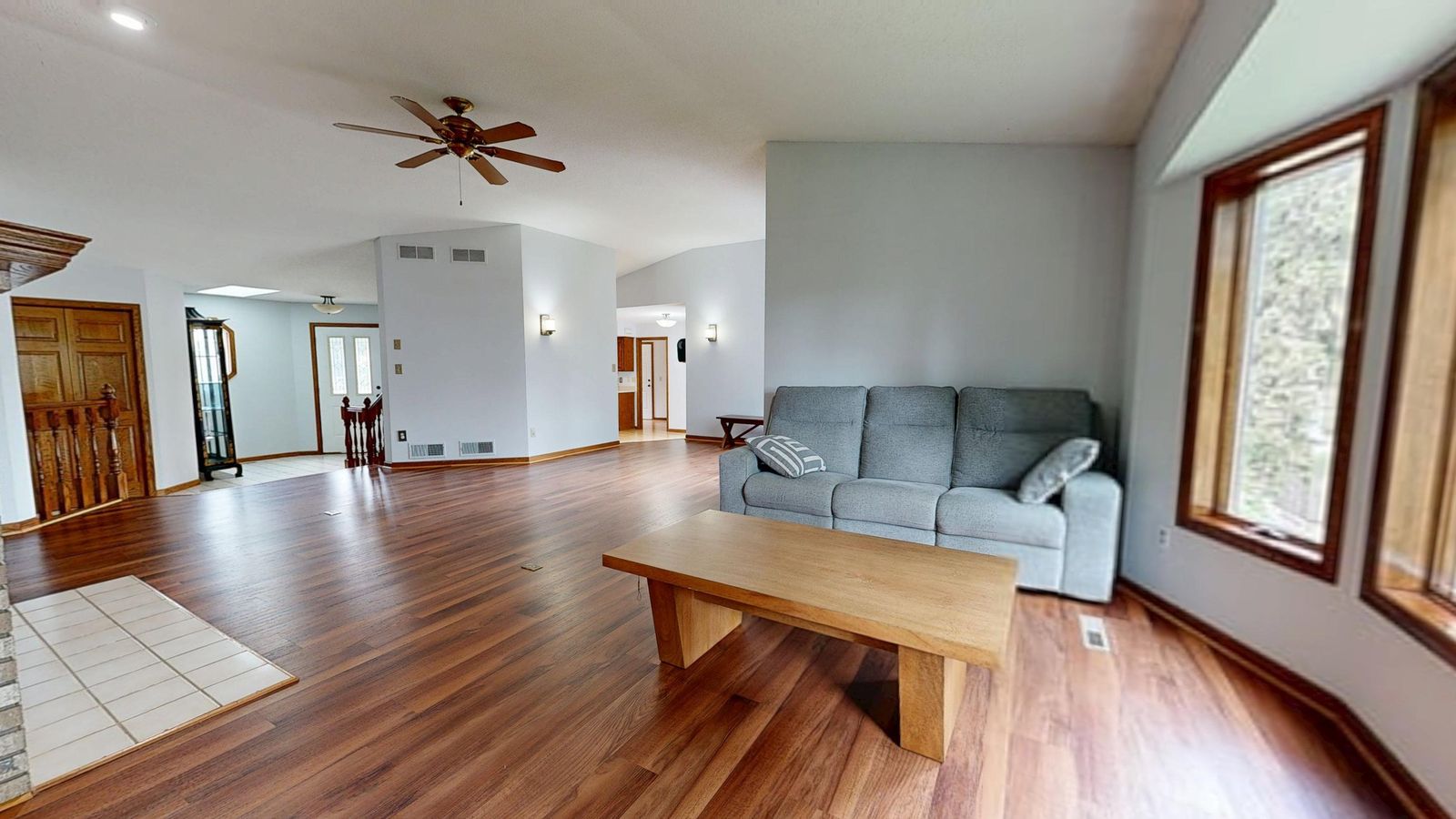
Arrange seating around a clear focal point, such as a fireplace or a comfortable conversation area. Keep the route through the room open and remove furniture that makes the space feel cramped.
Primary bedroom
Make the bed the visual focus. Keep bedside surfaces simple, remove unnecessary furniture, and leave enough space to move comfortably around the bed.
Dining room
Make the dining area’s purpose obvious. Clear the table, use simple chairs, and leave enough room for people to pull chairs out without blocking the walkway.
Home office
If a spare room doubles as storage, clear enough space to show its potential as an office or guest room. A simple desk and chair may be all you need.
You don’t have to empty every room. An entirely bare house can feel cold or make room dimensions harder for some buyers to judge. Aim for enough furniture to demonstrate how the space works without overwhelming it.
3. Give the living room your attention first
If your staging budget is limited, start with the rooms that shape a buyer’s first impression of the interior. The living room is a sensible priority because it often serves as the main gathering space and appears prominently in listing photographs.
You can improve it using things you already own.
- Vacuum carpets and rugs, and clean hard floors.
- Dust shelves, lamps, baseboards, and furniture.
- Open curtains and blinds to make the most of available daylight.
- Remove unnecessary furniture and decorations.
- Arrange cushions neatly and fold throws rather than leaving them scattered.
- Clear coffee tables and side tables, leaving only a few simple items.
- Make sure the main walking routes are easy to follow.
If the sofa looks tired, clean it according to the manufacturer’s instructions and arrange the cushions neatly. If the rug is too small or visually busy, try removing it rather than replacing it immediately.
Fresh flowers are optional. A healthy houseplant, a simple bowl, or a neatly arranged stack of books can work just as well if it suits the room.
4. Make the kitchen look clean, not expensive
Buyers often pay close attention to kitchens because replacing cabinets, countertops, and appliances can be expensive. That doesn’t mean you need a kitchen renovation before listing your property.
Start with cleanliness and presentation. Remove everything you can from the countertops, leaving only a few useful or attractive items if they suit the space.
Affordable kitchen staging ideas
Clear the counters
Put away small appliances, paperwork, dish racks, and miscellaneous items. Keep only what helps the kitchen feel practical and organized.
Clean the details
Pay attention to cabinet fronts, handles, the backsplash, the sink, faucets, and appliance surfaces. Small areas of grease or grime can undermine an otherwise tidy room.
Refresh what you own
Clean existing cabinet hardware and remove unnecessary objects from open shelves. Don’t replace functional fittings simply because a different finish is fashionable.
Keep the sink clear
Wash dishes, empty the drying rack, and store dish soap and sponges neatly. The kitchen should look ready to use without showing the work of everyday life.
If a cabinet handle is broken or a drawer sticks, a small repair may be worth making. However, avoid replacing a serviceable kitchen simply because its style is older. Compare the likely cost with your agent’s advice about buyer expectations and competing homes in your market.
5. Refresh bathrooms with a few inexpensive changes
Bathrooms don’t need elaborate decoration to look appealing. Cleanliness, uncluttered surfaces, and a sense of freshness are usually more important than expensive accessories.
Give the toilet, shower, tub, sink, faucets, mirrors, and floor a thorough clean. Remove personal toiletries, used towels, laundry, and visible cleaning products.

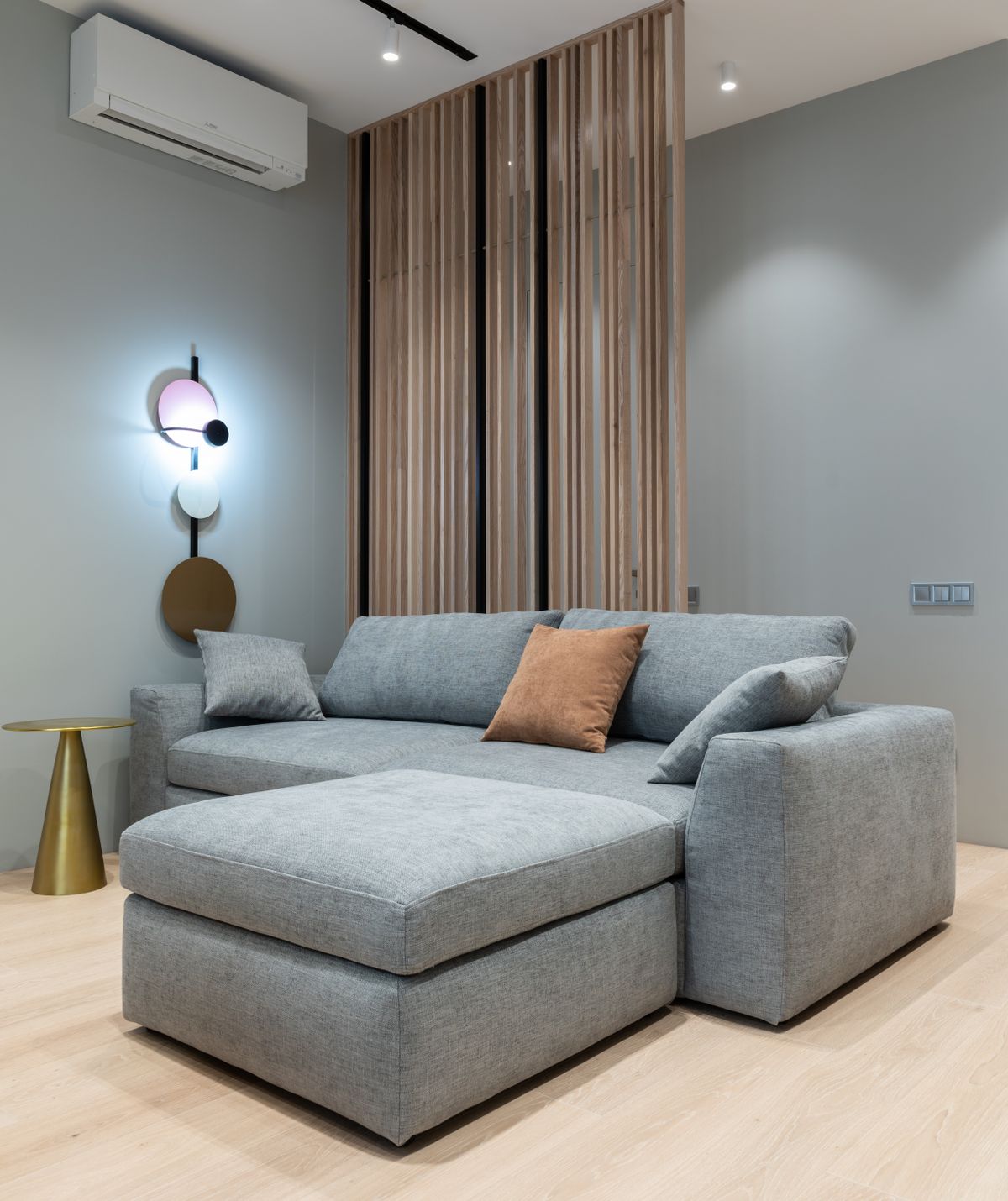
If your existing towels are worn or mismatched, consider buying one inexpensive matching set in white or another understated color. Fold them neatly, keep the counter mostly clear, and replace a worn shower curtain only if doing so noticeably improves the room.
Fix minor issues such as a loose towel bar or dripping faucet where practical. Don’t cover up signs of moisture, mold, leaks, or damaged caulking with decorations. Address the underlying problem appropriately rather than making it less visible for a showing.
6. Make bedrooms feel calm and comfortable
Bedrooms should communicate rest, space, and functionality. You don’t need a matching designer furniture set or expensive bedding to achieve that effect.
Start with the bed. Use clean bedding, smooth the duvet or comforter, and arrange pillows neatly. If you already have neutral bedding, use it. If not, a reasonably priced plain duvet cover can sometimes create a more consistent appearance than buying several new decorative items.
Clear nightstands and dressers, put away laundry, and remove unnecessary objects from the floor. Keep closet doors accessible and organize visible shelves so buyers can understand the available storage.
- Make the bed neatly and remove visibly worn bedding.
- Keep bedside tables and dressers mostly clear.
- Remove excess furniture that makes the room difficult to navigate.
- Open curtains and make sure window coverings look tidy.
- Put away laundry, personal photographs, and miscellaneous belongings.
- Leave enough space for buyers to see the room’s shape and usable floor area.
For a child’s bedroom, you don’t have to remove every toy. Simply organize toys into baskets or storage boxes and clear the main floor area. The aim is to show a comfortable room, not to make the house look as though nobody lives there.
7. Use lighting to make rooms feel more welcoming
Lighting can improve the appearance of a room without requiring a major purchase. Dark corners, dusty light fixtures, and closed curtains can make an otherwise attractive space feel less inviting.
Begin with the free options: open curtains and blinds, clean accessible windows, dust lampshades, and remove anything blocking natural light.
Next, check whether existing light bulbs work and whether their color temperatures are consistent within a room. Warm or neutral-white lighting can feel comfortable in living areas, while the best choice depends on the room, its finishes, and the existing fixtures.
You don’t need to replace every bulb in the house. Prioritize broken bulbs, noticeably mismatched lighting, and areas that remain unnecessarily dark.
8. Improve curb appeal without landscaping expenses
Before buyers enter your home, they see the front yard, walkway, driveway, and entrance. You can often improve this first impression with basic maintenance rather than a landscaping project.

Walk to the street and look at your property as if you were seeing it for the first time. Notice weeds, overgrown plants, dirty outdoor surfaces, visible rubbish, and anything that makes the entrance feel neglected.
Clean the entrance
Sweep the porch, remove cobwebs, clean the front door, and put away unnecessary items. Replace a damaged doormat if an inexpensive alternative would look better.
Tidy the garden
Mow the lawn when needed, remove weeds, trim overgrown plants appropriately, and clear fallen leaves or branches.
Check the driveway
Remove rubbish, put away tools, and park vehicles neatly. Make the available parking space easy to see.
Keep decorations simple
Store excess garden ornaments and seasonal decorations. A healthy potted plant can add interest if you already have one or can buy one affordably.
Don’t spend heavily on plants or outdoor furniture if the property needs more important maintenance. A clean, well-kept entrance is a sensible starting point.
9. Choose a simple color scheme using what you own
You may have heard that every home for sale should be painted white or gray. That isn’t necessarily true. The better approach is to make the existing rooms feel visually consistent and avoid decorations that distract from the property.
Start by identifying the main colors already present in your flooring, walls, cabinets, and large furniture. Then use those colors as a guide when arranging cushions, bedding, rugs, and accessories.
If your living room has beige walls, a neutral sofa, and wood flooring, for example, a few coordinated cream, tan, or muted green accents may be enough. You don’t need to buy a complete new set of decorations.
When is painting worth the money?
Painting may be worthwhile when walls have obvious scuffs, patches, stains that have been properly addressed, or a highly personalized color that distracts from the room. A fresh coat of paint can also help when a room looks poorly maintained.
However, don’t assume repainting every room is necessary. Compare the cost of materials and labor with the condition of the existing walls and the recommendations of a local real estate professional.
If you paint, test the color in the actual room first. Lighting, flooring, and nearby finishes can change how a paint color looks. Properly prepare the surface and follow product safety instructions rather than rushing the job before photographs or showings.
10. Remove distractions without removing the home’s personality
Staging does not mean making your house completely empty or turning it into a generic showroom.
The goal is to keep personal belongings from dominating the presentation while allowing buyers to appreciate the home’s character. A few well-chosen accessories can make a room feel comfortable. Too many can make it difficult to see the space itself.
Consider putting away large collections, strongly personalized wall displays, excess decorative signs, and objects that take attention away from the room. Keep a few simple items that complement the space.
For listing photographs and showings, also put away personal documents, mail, medications, valuables, and other sensitive belongings. Secure firearms appropriately and follow applicable safety requirements. These steps are about privacy and security as well as presentation.
11. Set a realistic home staging budget
One of the easiest ways to overspend is to start shopping before you have decided what actually needs improving.
Walk through the house with a notebook and make two lists: problems that need attention and presentation improvements that would be nice to have. Separate essential cleaning or repairs from optional decoration.
The following figures are hypothetical planning examples, not national price estimates. Your costs will depend on your location, the size of the property, the supplies you already own, and whether you do the work yourself.
| Budget category | Example allocation | What it could cover |
|---|---|---|
| Cleaning supplies | $25 | Basic supplies, cloths, and other cleaning essentials |
| Small presentation updates | $35 | Simple towels, a doormat, or a few inexpensive accessories |
| Lighting and minor items | $20 | Compatible replacement bulbs or small finishing touches |
| Garden and entrance | $20 | Basic garden supplies or inexpensive entrance improvements |
| Contingency | $20 | A small allowance for an unexpected essential purchase |
| Total example budget | $120 | Illustrative DIY staging plan |
You can spend less if you already have cleaning supplies, suitable bedding, and basic garden tools. You may also need more if the house requires repairs or significant cleaning.
Most importantly, don’t treat the table as a shopping list. If you don’t need new towels, don’t buy them. If the garden is already tidy, put that money toward another genuine priority.
12. Where should you spend money, and where should you save?
When preparing a home for sale, not every improvement deserves the same level of attention. Focus first on the things that affect cleanliness, usability, and the condition of the property.
| Task | Budget approach | Why it matters |
|---|---|---|
| Deep cleaning | DIY if practical; hire help if needed | Removes dirt, odors, and visible signs of neglect. |
| Decluttering | Do it yourself | Improves visibility and makes rooms easier to navigate. |
| Minor repairs | Address important, affordable issues | Helps avoid distracting buyers with preventable maintenance concerns. |
| Fresh accessories | Reuse existing items first | Can improve consistency without substantial spending. |
| New furniture | Usually postpone or avoid | Large purchases may not be necessary for effective presentation. |
| Major renovation | Evaluate separately | Cost, timing, and likely buyer preferences vary considerably. |
| Professional staging | Request a quote before deciding | May be useful for vacant, unusual, or difficult-to-present homes. |
Remember that staging is not a substitute for disclosing known property defects or completing necessary repairs. If you discover a leak, electrical problem, structural concern, or other material issue, deal with it appropriately and follow the disclosure requirements that apply in your state and locality.
13. Should you hire a professional home stager?
Professional staging is not automatically necessary, especially if you have a limited budget and a furnished home in reasonable condition. However, it can be worth considering in certain situations.
DIY staging may be enough if…
Your home is already furnished, reasonably clean, and easy to arrange. You have time to declutter, complete basic cleaning, and make small presentation improvements yourself.
A consultation may help if…
You are unsure which furniture to remove, how to arrange an awkward room, or which improvements deserve your limited budget. A one-time consultation may cost less than full-service staging.
Professional staging may be useful if…
The property is vacant, has an unusual layout, or needs furniture to demonstrate how rooms can function. Ask for a clear quote and find out what the service includes.
Virtual staging may be an option if…
You have an empty property and want to show possible furniture arrangements in listing photographs. Make sure digitally added furnishings are clearly understood as illustrative rather than physically present.
Before hiring anyone, compare the total cost with the home’s price range, your selling timeline, and the advice of your listing agent. Ask about consultation fees, furniture rental, delivery, setup, removal, and any additional charges.
There is no universal spending amount that makes sense for every seller. A vacant luxury property and a small, well-furnished starter home may need very different approaches.
14. Common budget staging mistakes to avoid
Trying to make everything look perfect can lead to unnecessary spending. Avoid these common mistakes when preparing your house for sale.
- Buying too much decor: More accessories can create clutter instead of improving the room.
- Replacing functional furniture: Rearranging or removing pieces may solve the problem at no cost.
- Ignoring repairs: Attractive pillows cannot compensate for an active leak or a broken fixture.
- Using strong fragrances to mask odors: Find and address the source of unpleasant smells rather than covering them up.
- Making every room look identical: A consistent style is helpful, but rooms still need to communicate their intended purpose.
- Over-personalizing the space: Keep distinctive collections and highly personal displays from dominating the presentation.
- Spending before checking comparable homes: Ask your agent what buyers expect in your local market before committing to larger expenses.
- Forgetting listing photographs: Clean and arrange rooms before photography day, not just before in-person showings.
15. A simple seven-day home staging plan
If your listing date is approaching, breaking the work into smaller tasks can make the process much easier. Adjust the schedule to suit your home and the time you have available.
| Day | Main task | What to accomplish |
|---|---|---|
| Day 1 | Walk-through and budget | Identify problem areas, set a spending limit, and gather supplies you already own. |
| Day 2 | Decluttering | Pack away excess belongings and clear visible surfaces. |
| Day 3 | Furniture and living areas | Improve room layouts and open up walking routes. |
| Day 4 | Kitchen and bathrooms | Clean thoroughly, organize storage, and address minor issues. |
| Day 5 | Bedrooms and lighting | Refresh bedding, tidy closets, and check accessible light fixtures and bulbs. |
| Day 6 | Curb appeal | Tidy the yard, sweep the entrance, and remove outdoor clutter. |
| Day 7 | Final presentation | Clean visible surfaces, check each room, and prepare for listing photographs or showings. |
If you have less than a week, prioritize decluttering, cleaning, furniture placement, and the entrance. These tasks can often improve presentation without requiring substantial purchases.
Frequently Asked Questions
How can I stage a house for sale on a very small budget?
Start with decluttering, deep cleaning, rearranging furniture, opening curtains, and tidying the front entrance. Reuse your existing furniture and accessories, and buy only items that address a specific presentation problem.
What room should I stage first when selling a house?
The living room is a sensible starting point, followed by the primary bedroom and kitchen. These are important spaces in the home-staging findings reported by the National Association of REALTORS®. The best order for your property also depends on its condition and layout.
Do I need to paint my house before selling it?
No. Painting may help when walls have noticeable damage, scuffs, or highly personalized colors, but repainting every room is not always necessary. Evaluate the existing condition and compare the likely cost with the expected benefit.
Should I stage my house if I am selling it as-is?
You can still declutter, clean, improve furniture placement, and make the entrance tidy when selling a home as-is. Presentation improvements do not replace required disclosures or change the property’s actual condition.
Does home staging guarantee a higher selling price?
No. Staging can help buyers visualize a home and may influence their impressions, but it does not guarantee a higher offer or a faster sale. Pricing, property condition, local demand, and competing listings also matter.
Is it better to stage a house with furniture or leave it empty?
It depends on the property. Existing furniture can help buyers understand how rooms function, while an empty home may be easier to present if the furniture is damaged or overwhelms the space. Professional or virtual staging may be worth considering for some vacant properties.
Should I buy new furniture just to sell my house?
Usually, start by rearranging or removing furniture you already own. Buying new furniture solely for staging can add substantial expense without guaranteeing a better outcome. Consider temporary rental or other options only if the benefit justifies the cost.
How early should I start staging before listing?
Start as soon as you decide to sell, ideally before professional listing photographs are taken. This gives you time to declutter, complete cleaning, handle minor repairs, and organize the property without rushing.
You don’t need a big budget to make a better first impression
Staging a house for sale on a budget is mostly about making thoughtful choices. You do not have to replace every piece of furniture, repaint the entire property, or fill rooms with new decorations to present your home well.
Start with what buyers will notice most: clean rooms, clear surfaces, sensible furniture placement, good lighting, tidy bathrooms, and an inviting entrance. Then make small, targeted purchases only where they genuinely improve the presentation.
Before spending money, walk through your house with fresh eyes and write down the three changes that would make the biggest visible difference. Complete those first, review the results, and decide what still needs attention.
The best budget is the one you spend deliberately. Your aim is to help buyers see the property’s strengths while protecting the money you need for your next move.
Sources and further reading
- National Association of REALTORS® — 2025 Profile of Home Staging. Research on agents’ views of staging and buyers’ ability to visualize a property.
- National Association of REALTORS® — Consumer Guide: Staging Your House for a Sale. Practical guidance on decluttering, presentation, and staging options.
Staging costs and buyer expectations vary by property and local market. The example budget in this article is hypothetical, not a verified local cost estimate.
Read more posts

Wooded 16.94-Acre Cape Cod with Private Pond, Wraparound Deck and 24×40 Pole Barn in Onondaga, Michigan — $474,000
0 (0) ♡ 1 / 52 View all 52 photos × 1 / 52 ‹ › Property Overview A wooded…

13.17 Wooded Acres with Pond, Cedar Great Room and 2,000 Sq Ft Second Building in Pocono Lake, PA — $450,000
0 (0) ♡ 1 / 45 View all 45 photos × 1 / 45 ‹ › Property Overview Set across…

Lakefront 10.87-Acre Property with Cleared Grounds, Fenced Acreage, Manufactured Home and Sheds in Keystone Heights, Florida — $175,000
0 (0) ♡ 1 / 8 View all 8 photos × 1 / 8 ‹ › Property Overview An expansive…