What Makes a Good Location for a Family Home?
When you are looking for a family home, it is easy to get caught up in the house itself. You notice the bedrooms, the kitchen, the garden and whether there is enough storage. But the location around that house matters just as much. A great family location is usually much more ordinary than people think: a comfortable residential street, a nearby school, a park around the corner, useful shops, manageable traffic and a place where you can imagine your family simply living day to day.
At a Glance
- Look for a location that fits your family’s normal weekly routine.
- Prioritise practical access to schools, childcare, shops, healthcare and activities.
- Quiet residential streets can be especially valuable when raising children.
- Nearby parks, playgrounds and green spaces can make everyday family life easier.
- Check pavements, crossings, traffic and parking rather than judging the area from a map.
- Visit at different times so you see the neighbourhood as it really operates.
- Think about how the location will work as your children grow older.
A Good Family Location Should Make Normal Life Easier
Let’s start with something simple: you do not need to find the “best” neighbourhood in your entire city.
You need to find a place that works for your family.
That distinction is important because families live very differently. One family might want a quiet suburban street with a garden, a primary school nearby and a large park within walking distance. Another might prefer a smaller house in a village or town where shops, school and public transport are all close.
Neither choice is automatically better.
The question is whether you can picture yourself doing the boring everyday things there without constantly feeling like you are fighting the location.
Morning school runs
Can you get the children to school without turning every morning into a stressful journey?
Work and commuting
Does the location keep the adults’ work journeys reasonably manageable?
After-school life
Are parks, clubs, sports and activities accessible enough that your family will actually use them?
Weekend life
Can you enjoy the area without having to drive somewhere every time you want to leave the house?
Start With the Street Where the House Actually Sits
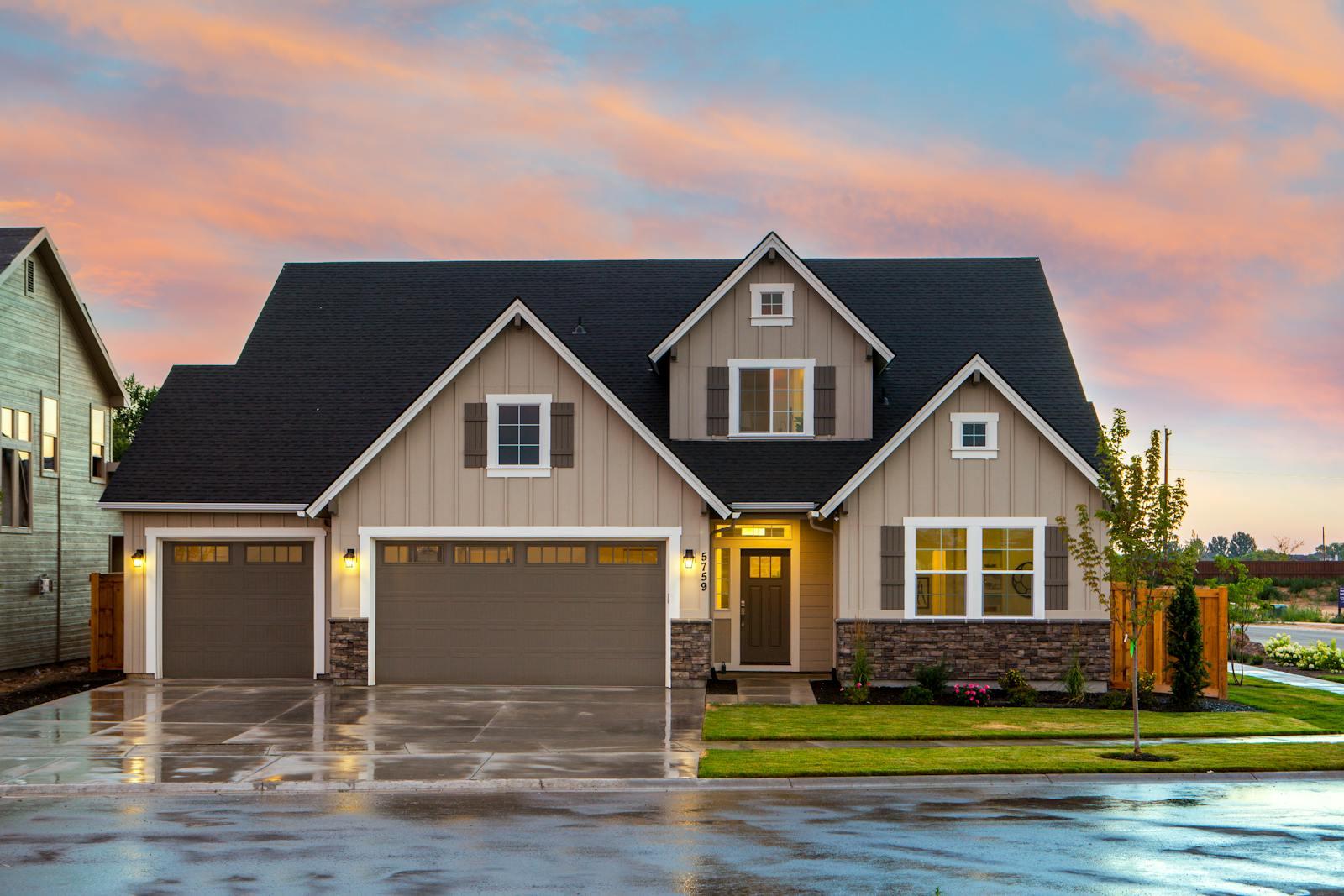
Before worrying about the wider neighbourhood, pay attention to the immediate street.
This is the part you will see every morning when you leave the house and every evening when you return. It is where children may eventually walk or cycle, where visitors will park and where you will spend a surprising amount of time simply coming and going.
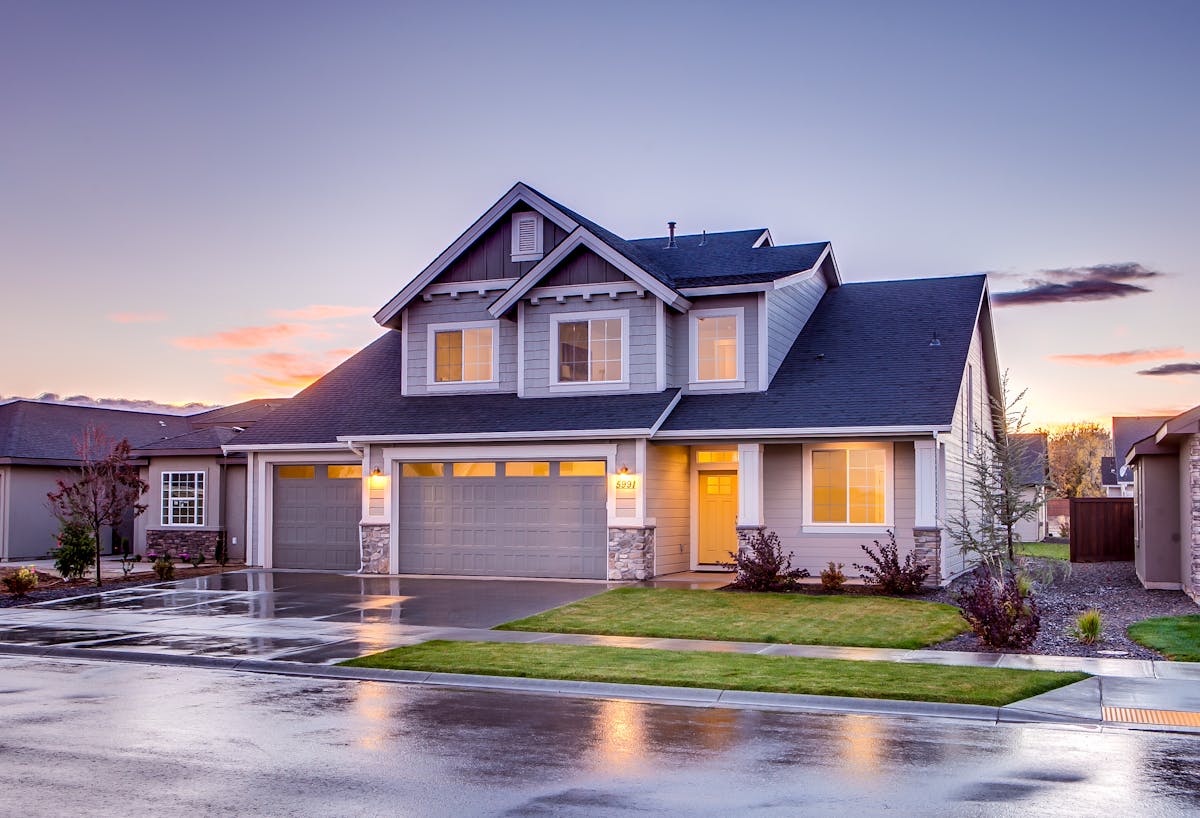
For a family home, an ordinary residential street can be a huge positive. You may value slower traffic, usable pavements, reasonable parking, mature trees, gardens and a generally calm atmosphere more than being close to a busy commercial centre.
That does not mean every family needs a completely quiet street. Some people enjoy being near local shops and community activity. The important thing is understanding what the street is like at different times of day.
- Is the road mainly residential or does it carry a lot of through traffic?
- Are there proper pavements on both sides where you need them?
- Are there safe and practical places to cross nearby?
- Is parking manageable for your household and visitors?
- Does traffic become much heavier at school or commuting times?
- Is the street comfortable for walking with younger children?
- Does it feel like somewhere you would actually enjoy coming home to?
Schools Matter, But Think About the Whole School Journey
Schools are naturally one of the first things families investigate when choosing where to live. But do not stop at the school’s name or reputation.
Think about the entire journey.
A school that looks close on a map may still involve a difficult road crossing or a route that feels uncomfortable with small children. On the other hand, a school that is a little farther away may be perfectly manageable if the route is simple and the journey fits your routine.
If you have children already, try the route yourself. If your children are younger, think about how you would make that journey with a buggy, bags and a tired child on a rainy morning.
Also consider the years ahead. A family home is often a long-term purchase, so it is worth looking beyond the immediate school stage where possible.
Look for a Park You Would Actually Use
This is one of those things that sounds small until you have children.
Having a park, playground or green space nearby can make family life much easier. You can get outside after school without organising a full trip. Children can burn off energy. You can take a short walk after dinner. At the weekend, you have somewhere simple to go when nobody feels like getting in the car.
And you do not need some enormous landscaped park.
A modest local playground five minutes away can be more useful to a family than a beautiful recreation area that requires a twenty-minute drive.

Check What Is Nearby for Everyday Life
Think about the places you visit every week, not just the places that sound good on a property brochure.
A supermarket, pharmacy, doctor’s surgery, nursery, school, local shop or public transport stop may be much more useful to your family than a trendy restaurant or entertainment venue.
Make a list of your regular destinations and see how they fit around the house.
Groceries
Where will you go when you need milk, bread or a full weekly shop?
Healthcare
Are everyday healthcare services reasonably accessible when you need them?
Childcare
If you need nursery or childcare, are there realistic options within a manageable journey?
Activities
Can your children reach sports, clubs, libraries or other activities without making every evening complicated?
Pay Attention to Walkability
A family-friendly location does not necessarily have to be completely walkable. Plenty of families are perfectly happy using a car.
But having some useful places within walking distance can be a big advantage.
Imagine being able to walk to the playground after dinner, take a child to school without starting the car, pop to a local shop for one missing ingredient or walk to a friend’s house.
Those small conveniences can make a neighbourhood feel much more connected to your everyday life.
When you visit a property, do not just look at the distance on a map. Walk the route. A ten-minute walk on a pleasant pavement is very different from a ten-minute walk beside a busy road with awkward crossings.
Noise and Traffic Deserve a Proper Check
This is one of the easiest things to miss during a house viewing.
You might visit on a quiet Saturday afternoon and think the street is wonderfully peaceful. Then you move in and discover that the road is much busier at 8am, there is regular school traffic or vehicles use the street as a shortcut during the working week.
That does not automatically make the location bad. It simply means you need to know what you are buying into.
If you are serious about a house, visit the area at different times. Try a weekday morning, late afternoon and evening. If possible, spend a few minutes outside the property rather than staying inside.
Think About Safety in Everyday Situations
Safety is not just about crime figures. For families, it is also about how easy it feels to move around the neighbourhood.
Look at the roads children would use. Check crossings, pavements, visibility, lighting and traffic speeds. Think about where an older child might eventually walk or cycle without you.
You can also look at reliable local information about crime and safety, but combine that with what you see yourself. A single statistic rarely tells you what an individual street feels like.
The goal is not to find a neighbourhood where nothing ever happens. That does not exist. You are trying to understand whether the environment feels appropriate for the way your family will use it.
Consider the People and Community Around You
You do not need to know every neighbour before buying a house, but the general feel of a community can matter.
When you walk around, look at whether people use the streets, whether gardens and shared spaces appear reasonably cared for and whether there are places where neighbours naturally meet.
Sometimes the most family-friendly areas are not the most impressive-looking places. They are simply neighbourhoods where people live ordinary lives: children playing outside, parents walking to school, neighbours talking over a fence and people using the local park.
That everyday atmosphere can be worth a lot.
Do Not Forget Grandparents and Family Support
If grandparents, relatives or close friends are an important part of your family’s life, their location should be part of the conversation too.
Being closer to family can make childcare, emergencies, birthdays, weekends and ordinary life easier. It can also be valuable simply because children get more opportunities to spend time with people they love.
Of course, you should not choose a house solely around someone else’s location if the property and neighbourhood do not work for you. But if family support is a major part of your routine, it deserves a place on your list of priorities.
Think About Your Children’s Future, Not Just Their Age Today
This is where family house hunting gets interesting.
A location that works beautifully with a three-year-old may feel completely different when that child is thirteen.
Younger children may need a playground, nursery and easy school runs. Older children may care more about sports, friends, activities, public transport and being able to get around without relying on their parents for every journey.
If you expect to stay in the house for a long time, think about how the neighbourhood might work through different stages of family life.
| Family Stage | Useful Location Features | What to Think About |
|---|---|---|
| Young children | Playgrounds, childcare, quiet streets, easy school routes | Buggy-friendly paths, crossings and short everyday journeys |
| Primary school years | Schools, parks, friends nearby, family activities | Walking routes and after-school routines |
| Teenage years | Public transport, sports, shops, community facilities | Independence and safe ways to get around |
| Long-term family life | Healthcare, transport, shops and flexible local services | How the location works as your family’s needs change |
Look at the House and Location Together
One of the biggest mistakes buyers make is separating the property from its surroundings.
You might find a house with an amazing kitchen, an extra bedroom and a lovely garden. But if you hate the road outside, the school journey is difficult and the nearest useful park is a drive away, the house may not actually be the right family home.
The opposite can happen too.
A house might not have the newest kitchen or the biggest garden, but it could sit on a lovely residential street, close to school, near a park and within easy reach of everything your family uses.
That second house may end up being the one you enjoy living in more.

Visit at Different Times Before You Decide
This is probably one of the most useful things you can do.
A property listing gives you one carefully chosen version of a location. A viewing gives you another. Your own visits can reveal the rest.
Try to see the area during a normal weekday morning. Come back around the end of the school day. If possible, visit in the evening and at the weekend.
Look for changes in traffic, parking, noise and general activity. Walk around instead of simply driving through. Visit the park. Try the school route. Check the local shop. Basically, behave as though you already live there for an hour.
- Visit on a weekday morning.
- Visit around school pick-up or commuter time.
- Visit in the evening.
- Visit on a weekend if possible.
- Walk the route to the nearest school or childcare option.
- Walk to the nearest park or playground.
- Check where you would buy everyday groceries.
- Stand outside the property and listen for several minutes.
- Look at parking and traffic rather than assuming the listing tells the whole story.
Check What Could Change in the Area
Location is difficult to change, which is why it is worth understanding not only what is around the house today but also what may happen nearby in the future.
Look for relevant local planning information, proposed housing developments, road projects or major changes to nearby land. Depending on where you live, this information may be available through local government or planning authorities.
Future development is not automatically bad. A new development could bring shops, better infrastructure, new parks or other useful facilities. But you should know what is planned before you commit to a home.
If you are planning to stay for many years, the future neighbourhood matters almost as much as the current one.
A Simple Way to Compare Two Family Locations
If you are stuck between two areas, do not rely entirely on your gut feeling. Give each one a simple score based on what matters to your family.
| Factor | Location A | Location B |
|---|---|---|
| School journey | __/10 | __/10 |
| Work commute | __/10 | __/10 |
| Parks and outdoor space | __/10 | __/10 |
| Street and traffic | __/10 | __/10 |
| Everyday shops and services | __/10 | __/10 |
| Family and friends nearby | __/10 | __/10 |
| Long-term suitability | __/10 | __/10 |
You do not have to treat the scores as scientific. The point is simply to make your priorities visible.
You might discover that one location wins on the things you actually care about, while the other only looked better because the house itself was more impressive.
Frequently Asked Questions
What is the most important thing in a location for a family home?
There is no single answer for every family. A good starting point is to look at the daily routine: schools, childcare, work, parks, shops, healthcare, transport and the general feel of the street.
Is a quiet residential street better for a family?
It can be, especially if you have young children, but it depends on your lifestyle. What matters is whether the traffic, noise, parking and overall atmosphere of the street suit your family.
How close should a family home be to a park?
There is no magic distance. The most useful park is usually one your family can reach easily enough that you will actually use it. Check the walking route and road crossings, not just the distance on a map.
Should I choose a house based on the school nearby?
Schools can be very important, but they should be considered alongside the actual journey, childcare options, traffic, parks, activities and your family’s longer-term plans. Also check the current admissions or catchment rules that apply.
How can I tell if a neighbourhood is really family-friendly?
Spend time there rather than judging it from a listing. Walk around, visit the local park, check the school route, look at traffic and parking, and visit at different times of day.
Should families avoid living near busy roads?
Not necessarily. Busy roads can provide useful connections, but they may also bring noise and traffic. The important thing is to understand the pattern and decide whether it fits your family’s priorities.
Should I think about the neighbourhood as my children get older?
Absolutely. A location that works for toddlers may not offer the same advantages for teenagers. Think about schools, activities, public transport, shops, friends and how much independence your children may eventually need.
The Best Family Location Is Usually the One That Feels Easy to Live In
You do not need a huge house in a glamorous neighbourhood to have a great family home.
Sometimes the best choice is a normal house on a comfortable residential street, with a small garden, a decent school nearby, a park around the corner and shops close enough for those everyday errands.
That is the kind of location that can quietly make family life better.
So when you are comparing homes, look beyond the kitchen and the number of bedrooms. Walk the street. Try the school route. Find the nearest park. Check the traffic. Listen to the neighbourhood. Think about your mornings, your evenings and your weekends.
The right family home is not just the house you fall in love with. It is the house and location that you can genuinely imagine living in, growing in and coming home to every day.
Read more posts
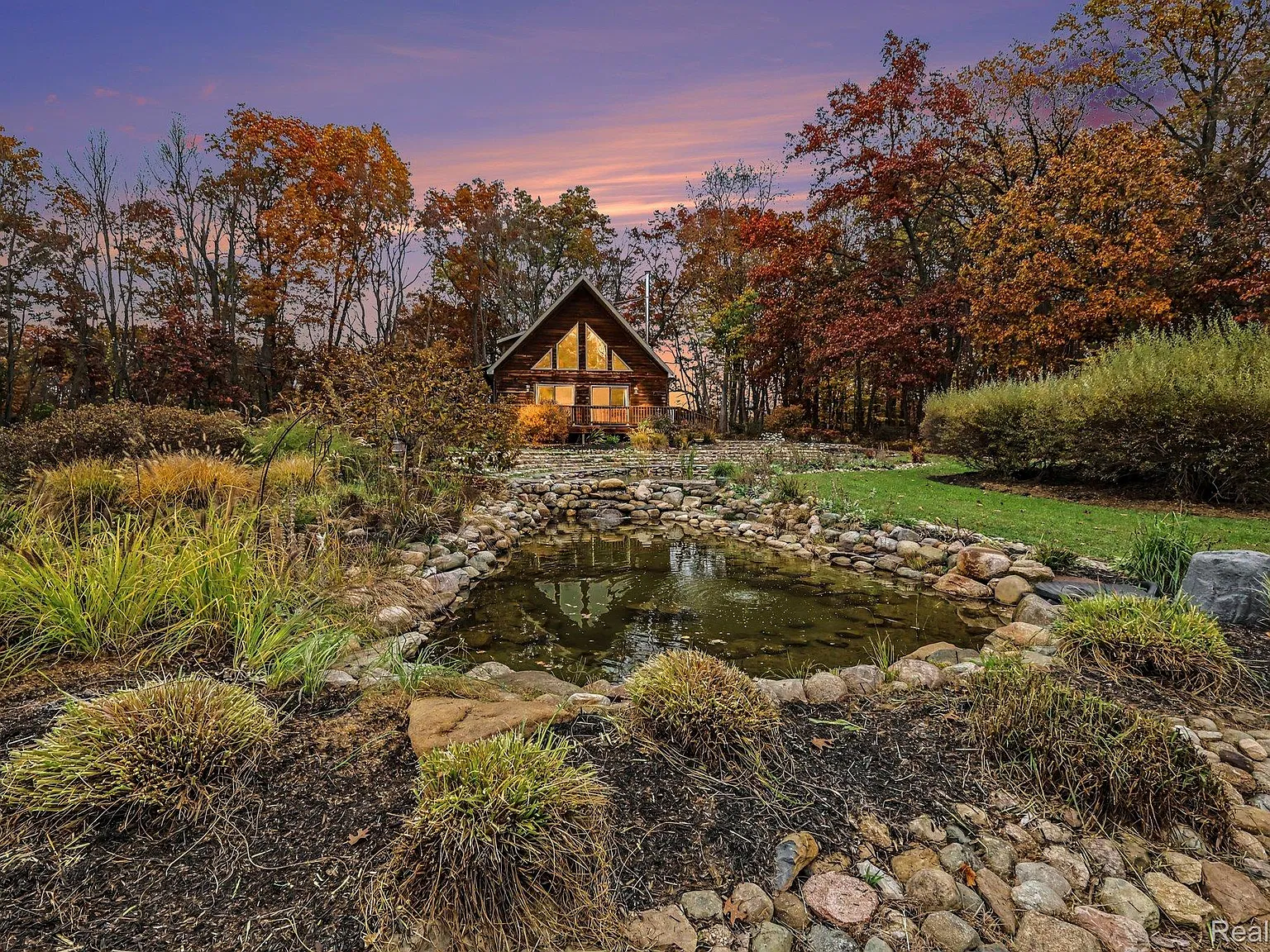
Wooded 16.94-Acre Cape Cod with Private Pond, Wraparound Deck and 24×40 Pole Barn in Onondaga, Michigan — $474,000
0 (0) ♡ 1 / 52 View all 52 photos × 1 / 52 ‹ › Property Overview A wooded…

13.17 Wooded Acres with Pond, Cedar Great Room and 2,000 Sq Ft Second Building in Pocono Lake, PA — $450,000
0 (0) ♡ 1 / 45 View all 45 photos × 1 / 45 ‹ › Property Overview Set across…

Lakefront 10.87-Acre Property with Cleared Grounds, Fenced Acreage, Manufactured Home and Sheds in Keystone Heights, Florida — $175,000
0 (0) ♡ 1 / 8 View all 8 photos × 1 / 8 ‹ › Property Overview An expansive…