How to Write a Real Estate Listing Description That Attracts Buyers
At a glance
- Lead with the property’s strongest verified selling point rather than a generic opening.
- Use a descriptive headline that tells buyers something meaningful about the home.
- Translate features into practical benefits without exaggerating what they offer.
- Include important details such as layout, updates, storage, outdoor space, and parking.
- Use relevant location details only when they are accurate and useful to buyers.
- Keep paragraphs easy to scan on mobile devices.
- Check every factual claim and make sure the description follows applicable fair housing rules.
What makes a real estate listing description effective?
A good property description answers three questions quickly: What is this home like? What makes it worth considering? And why might it suit the buyer’s needs?
That sounds straightforward, but many listings make the same mistake. They present a long inventory of rooms, appliances, and finishes without explaining why those details matter.
Consider the difference between saying, “The home has a large kitchen,” and explaining, “The spacious kitchen offers generous counter space, a central island, and room for casual meals.” The second version gives buyers a clearer picture of how the space could function.
Neither sentence should be used unless the property genuinely supports the claim. Effective listing copy is not about making an ordinary feature sound extraordinary. It is about describing real advantages in a way that is easy to understand.

1. Start with the home’s strongest selling point
The opening sentence matters because readers often scan listings before deciding which ones deserve their attention. Give them a useful reason to keep reading.
Start by identifying the property’s most distinctive verified feature. Depending on the home, that might be a thoughtfully renovated kitchen, a flexible floor plan, an unusually large yard, a dedicated home office, or a location close to specific amenities.
Try not to squeeze every selling point into the first sentence. Choose one strong angle and let the rest of the description develop it.
For a family-sized home
Highlight a practical layout, multiple living areas, bedroom placement, storage, or a usable outdoor space if those features are present.
For a smaller property
Emphasize efficient use of space, low-maintenance outdoor areas, built-in storage, or a layout that makes everyday routines easier.
For a recently updated home
Identify the actual improvements, such as new flooring, updated fixtures, or a renovated bathroom. Be clear about what was changed and when, if known.
For a property with outdoor appeal
Describe a covered patio, established landscaping, fenced yard, garden beds, or outdoor entertaining area when these features genuinely exist.
Before writing, finish this sentence: “The main reason a buyer should consider this home is…” Your answer can guide the entire listing.
2. Write a headline that gives buyers useful information
A headline should communicate a meaningful feature or combination of features without becoming a string of promotional adjectives.
For example, “Beautiful House in Great Location” could describe thousands of properties. It gives the reader almost nothing specific to remember.
Beautiful Home You Must See!
The headline makes a broad claim but does not tell buyers what distinguishes the property.
Updated Three-Bedroom Home With a Covered Patio
This version identifies the bedroom count, communicates that updates have been made, and highlights a tangible outdoor feature. Use “updated” only when the improvements justify it.
Useful headline details may include:
- Bedroom and bathroom count, when space permits.
- A genuinely notable renovation or architectural feature.
- A flexible room that could serve different practical purposes.
- A yard, deck, patio, garage, or other significant feature.
- A verified location advantage, such as proximity to a named park or transit stop.
Do not cram every detail into the headline. Keep it readable and let the main description do the rest.
3. Turn property features into everyday benefits
Features tell buyers what a home contains. Benefits explain why those features may be useful.
This does not mean making promises about a buyer’s future lifestyle. Instead, connect a physical detail to a reasonable, understandable use.
| Basic feature | More useful description | Why it works |
|---|---|---|
| Kitchen island | A central island adds extra preparation space and room for casual seating, if seating fits. | Explains how the feature can be used. |
| Separate bonus room | A separate bonus room offers flexibility for a workspace, hobby area, or additional sitting room. | Shows potential uses without claiming an unverified bedroom. |
| Large windows | Large windows bring natural light into the main living area. | Describes a visible benefit without guaranteeing energy savings. |
| Fenced backyard | The fenced backyard provides a defined outdoor area for gardening, relaxing, or outdoor dining. | Gives buyers concrete ideas about the space. |
| Attached garage | The attached garage provides covered parking and additional space for storage, subject to its actual configuration. | Connects a practical feature to everyday convenience. |
The easiest way to improve a listing is to review every feature and ask, “Why might a buyer care about this?” If the answer adds useful information, include it. If it merely repeats an adjective, rewrite it.
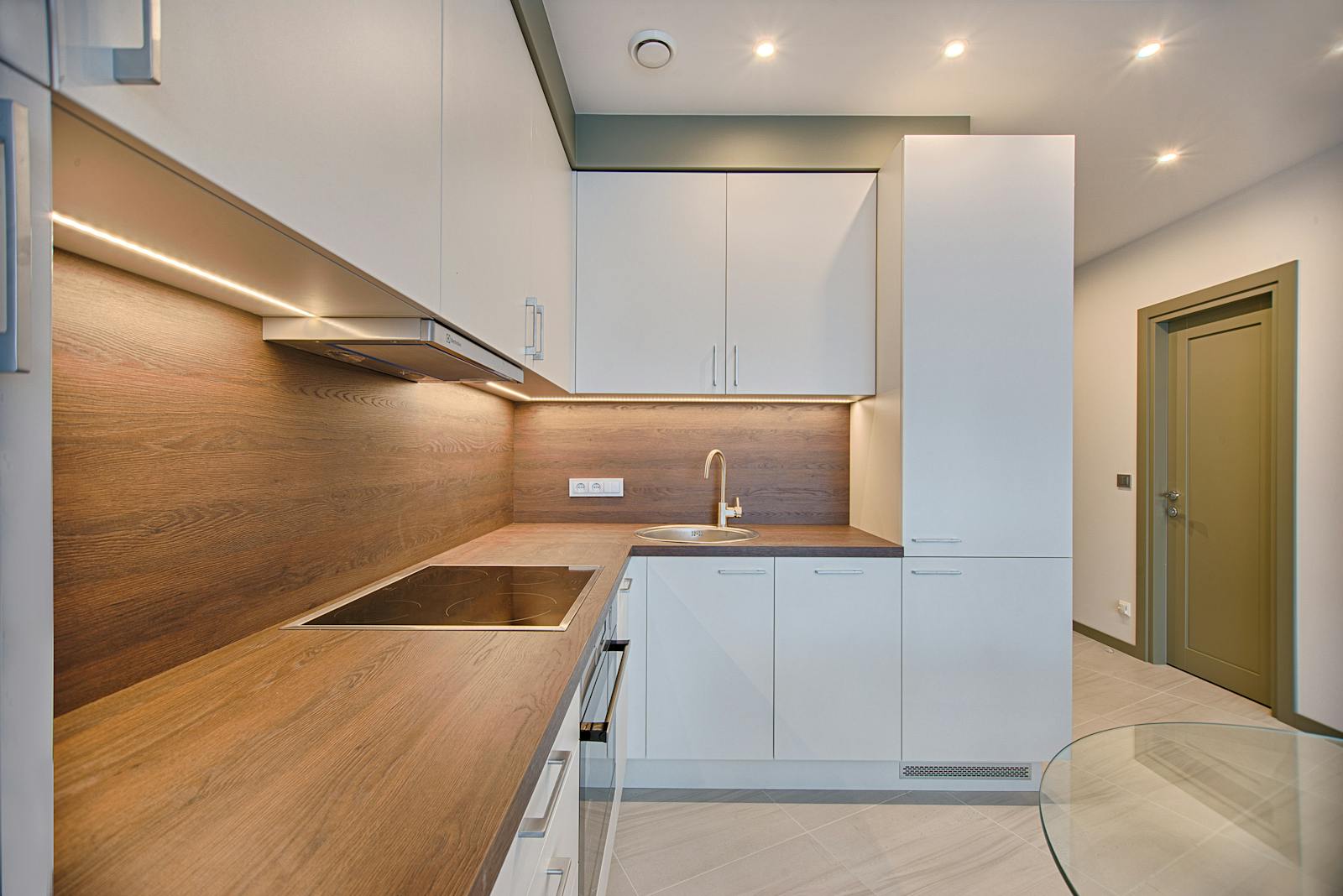
4. Describe the layout, not just the room count
Bedroom and bathroom counts are important, but they do not explain how the property functions. Buyers also want to understand the relationship between rooms and how the space might accommodate their routines.
For example, a three-bedroom home might have an open living and dining area, a separate family room, or bedrooms arranged along one hallway. Those layouts offer different experiences, even when the basic room count is identical.
When relevant, describe:
- Whether the main living and dining areas connect or are separate.
- Where the bedrooms are positioned in relation to shared spaces.
- Whether a room has a dedicated closet, private bathroom, or separate entrance.
- Where laundry facilities are located.
- How indoor living areas connect to a patio, deck, balcony, or yard.
- Any genuine flexibility offered by a den, loft, finished basement, or bonus room.
Be precise about room classifications. Do not call a room a legal bedroom, describe a basement as finished living space, or imply that an area is included in the home’s official square footage unless the relevant facts support that description.
5. Include the details buyers often look for
Strong listing copy answers practical questions instead of leaving readers to guess. The most useful details depend on the property, but several categories deserve consideration.
Updates and improvements
Describe improvements specifically. “New kitchen countertops installed in 2024” is more informative than “recently upgraded kitchen,” provided the date and work are verified.
If you know the age of a major system, such as the roof, heating equipment, or water heater, consider including it when relevant and appropriate for the listing. Do not guess when records are unavailable.
Storage and utility
Built-in closets, pantry storage, a dedicated laundry room, a garage, or an exterior storage shed can be meaningful selling points. Explain what exists rather than promising that the home has “plenty of storage” without context.
Outdoor areas
Describe the actual features of the yard or outdoor space. A covered patio, raised garden beds, mature trees, or a defined dining area may be more useful to buyers than simply calling the backyard beautiful.
Parking and access
State the parking arrangement accurately. Distinguish a private driveway from a shared driveway, assigned parking, street parking, or a garage. Mention accessibility features only when they are present and accurately described.
Location and nearby amenities
Named parks, shopping areas, public transportation, and other local destinations can help buyers understand the setting. Verify distances and travel-time claims, since routes, traffic, and access can affect the actual experience.
6. Use descriptive language without overdoing it
Words such as “charming,” “stunning,” “spacious,” and “luxurious” are common in real estate listings. They are not automatically wrong, but they become less useful when they replace concrete details.
Compare these examples:
Instead of “beautiful kitchen”
Describe the actual cabinetry, counter space, island, appliances, lighting, or relationship to the dining area.
Instead of “huge backyard”
Explain the yard’s approximate size if verified, layout, landscaping, fencing, and usable outdoor features.
Instead of “luxury bathroom”
Identify the walk-in shower, double vanity, soaking tub, heated flooring, or other features actually present.
Instead of “perfect location”
Name the relevant nearby amenities and provide accurate distance information where it helps buyers.
Specific nouns and clear descriptions usually do more work than a long string of adjectives. One well-chosen detail can make a property more memorable than five generic compliments.
7. Keep the description easy to scan
Many buyers review listings on a phone, sometimes while comparing several properties. A long block of text can make even a well-written description difficult to use.
Organize the copy so the most important information appears first. Use short paragraphs and group related details together.
A practical structure looks like this:
- Opening: Introduce the home’s strongest verified selling point.
- Layout: Explain the main living areas, bedroom arrangement, and flow of the home.
- Standout features: Describe significant upgrades, storage, finishes, and outdoor areas.
- Location: Mention relevant nearby amenities with accurate information.
- Next step: Invite interested buyers to arrange a showing or contact the listing agent, if appropriate.
You do not have to use this exact order for every property. A home with an exceptional outdoor space may deserve to lead with that feature, while a property with a distinctive floor plan may be better introduced through its layout.
8. A complete real estate listing description example
Here is a hypothetical example showing how the principles above can work together. The property details are illustrative, not an actual listing.
Updated Three-Bedroom Home With a Flexible Living Space
This three-bedroom, two-bathroom home combines a practical layout with updated finishes and useful indoor-outdoor living space. The main living area features large windows and connects to the dining area, creating a comfortable arrangement for everyday meals and time with guests.
The kitchen includes updated countertops, ample cabinet storage, and a breakfast bar. A separate bonus room provides flexibility for a home office, hobby space, or additional sitting area, depending on your needs.
Outside, the fenced backyard includes a covered patio and space for gardening or outdoor dining. The property also offers an attached two-car garage for parking and additional storage.
Conveniently located near the area’s shopping and everyday services, this home offers a combination of functional interior space and practical outdoor features. Contact the listing agent to arrange a showing and learn more about the property’s features and disclosures.
Notice what the example does not do. It does not claim that the property is the best home in the neighborhood, promise that its value will rise, or call the bonus room a fourth bedroom. It explains what is there and gives buyers a reasonable idea of how the space could be used.
Before publishing a real listing based on this structure, replace every hypothetical detail with verified property information. Remove any feature that the actual home does not have.
9. Common listing description mistakes to avoid
Using the same description for every property
Copying a template is fine when it saves time, but the final description should reflect the specific property. A condo with a balcony and shared amenities should not read like a detached house with a fenced yard.
Repeating the listing facts without adding context
Buyers can often see the bedroom count, square footage, and price elsewhere on the listing page. Use the description to explain the home’s layout, condition, distinctive features, and practical benefits.
Writing in all caps or using excessive punctuation
Repeated exclamation marks and capitalized phrases can make a listing feel less professional. Clear, specific writing is usually a better choice.
Making unsupported renovation claims
Words such as “new,” “fully renovated,” and “move-in ready” can create expectations. Use them only when the condition and scope of the work justify them. Where appropriate, explain which areas were updated and when.
Hiding important limitations behind vague wording
Do not use marketing language to misrepresent a known defect, access limitation, or other material issue. Handle required disclosures through the appropriate process and consult a qualified real estate professional or attorney when you are unsure of your obligations.
Using language that may violate fair housing rules
In the United States, the federal Fair Housing Act prohibits discrimination in housing based on protected characteristics. State and local laws may protect additional groups.
Keep property marketing focused on the home, its features, and objective location information. Avoid language that expresses a preference for or against people based on protected characteristics. For guidance, review the U.S. Department of Housing and Urban Development’s fair housing resources.
10. Optimize the description for online search without keyword stuffing
Your listing should use the words buyers need to understand the property, but it should still sound natural.
Include relevant property terms when they accurately describe the home. These may include “three-bedroom home,” “updated kitchen,” “fenced backyard,” “condo with balcony,” or the actual neighborhood name.
If the listing platform provides a separate field for the property’s location, price, bedrooms, bathrooms, or square footage, enter those details in the designated fields as well. Do not rely on the description to replace structured listing information.
Avoid repeating the same keyword unnaturally. For example, a sentence such as “This three-bedroom home is a three-bedroom property with three-bedroom home features” helps nobody.
Instead, write a useful description that includes relevant terms where they naturally belong. Search visibility depends on multiple factors, including the listing platform, the quality and completeness of the listing, and what users are looking for. No wording guarantees a particular ranking or number of inquiries.
11. A final editing checklist before publishing
Once the first draft is finished, read it as if you were a buyer seeing the property for the first time. Check the facts, remove unnecessary language, and make sure the most useful details are easy to find.
- The opening sentence highlights a genuine property advantage.
- The headline is specific, readable, and accurate.
- Bedroom, bathroom, parking, and other property details match verified records.
- Every claim about renovations, appliances, systems, and finishes has been checked.
- The description explains the layout and practical benefits, not just the room count.
- Nearby amenities and location claims are accurate.
- The copy uses short paragraphs and is easy to scan on a mobile screen.
- Generic adjectives, repeated phrases, and unnecessary punctuation have been removed.
- The description does not misrepresent property condition or omit information in a misleading way.
- The language complies with applicable fair housing and advertising requirements.
- The final call to action is appropriate for the listing platform and seller.
Frequently Asked Questions
How long should a real estate listing description be?
There is no single ideal length for every property. Write enough to explain the home’s strongest features, layout, condition, and relevant location details without repeating yourself. Check the character or word limits of the listing platform before publishing.
What should the first sentence of a property listing say?
Lead with the home’s strongest verified selling point. That could be a distinctive layout, a meaningful renovation, a useful outdoor area, or another feature that helps buyers understand what makes the property worth considering.
Should I mention flaws in a real estate listing description?
Never use marketing copy to conceal or misrepresent known problems. Disclosure obligations vary by jurisdiction and property type, so check applicable requirements and seek qualified advice when necessary. Required disclosures may need to be provided separately from the listing description.
Can I use AI to write a property listing?
AI can help organize verified facts, improve readability, and produce a first draft. A seller or agent must still confirm every property detail, remove invented claims, check applicable disclosure and fair housing requirements, and ensure the final wording matches the actual home.
Should a listing description include the neighborhood name?
Yes, when the location information is accurate and relevant. A neighborhood name or nearby landmark may help buyers understand the setting. Avoid unsupported claims about travel times, school assignments, safety, or future development, and verify any location-specific statements before publication.
How can I make my listing sound appealing without exaggerating?
Replace broad claims with specific facts. Instead of calling a kitchen amazing, describe its counter space, storage, layout, or verified upgrades. Concrete details help buyers understand the property without creating unrealistic expectations.
Does a better listing description guarantee more buyers?
No. A clear description can help buyers understand a property, but results also depend on price, location, photographs, property condition, market conditions, and where the listing appears. No particular description can guarantee inquiries or a sale.
Make every sentence earn its place
A compelling real estate listing description does not need exaggerated claims or complicated language. It needs accurate information, a strong opening, specific details, and a clear explanation of what makes the home worth considering.
Start with the property’s strongest feature, explain how the layout and amenities work, and replace generic adjectives with facts buyers can picture. Then check the description carefully for accuracy, readability, and compliance with applicable rules.
Before you publish, ask yourself one final question: Would a buyer understand what makes this particular home different from the other properties they are viewing? If the answer is yes, your description is doing its job.
Sources and further guidance
For fair housing requirements and related guidance, consult these official resources:
- U.S. Department of Housing and Urban Development — Fair Housing
- HUD — Office of Fair Housing and Equal Opportunity
Property disclosure requirements and certain advertising rules vary by state and locality. Confirm the applicable requirements before publishing a listing.
Read more posts
Wooded 16.94-Acre Cape Cod with Private Pond, Wraparound Deck and 24×40 Pole Barn in Onondaga, Michigan — $474,000
0 (0) ♡ 1 / 52 View all 52 photos × 1 / 52 ‹ › Property Overview A wooded…

13.17 Wooded Acres with Pond, Cedar Great Room and 2,000 Sq Ft Second Building in Pocono Lake, PA — $450,000
0 (0) ♡ 1 / 45 View all 45 photos × 1 / 45 ‹ › Property Overview Set across…

Lakefront 10.87-Acre Property with Cleared Grounds, Fenced Acreage, Manufactured Home and Sheds in Keystone Heights, Florida — $175,000
0 (0) ♡ 1 / 8 View all 8 photos × 1 / 8 ‹ › Property Overview An expansive…