How to Spot Water Damage Before Purchasing a Property
A property can look beautiful during a viewing and still hide expensive water-related problems. From stained ceilings and damp walls to leaking pipes and damaged foundations, knowing what to look for can help you avoid unexpected repairs and make a more confident purchasing decision.

What to Check Before You Buy
- Brown or yellow stains on ceilings and walls.
- Bubbling paint, peeling wallpaper, or soft plaster.
- Musty smells and visible mold growth.
- Leaking pipes and damaged plumbing connections.
- Damp basements, crawl spaces, and foundation walls.
- Rotten window frames, damaged flooring, and roof leaks.
- Exterior drainage problems and water pooling near the house.
1. Look for Water Stains on Ceilings
One of the easiest warning signs to spot during a property viewing is discoloration on the ceiling. Water stains often appear as yellow, brown, or dark patches. They may have irregular edges and can become more noticeable after heavy rain.
Pay particular attention to ceilings below bathrooms, kitchens, upstairs plumbing, and roof areas. A stain directly beneath a bathroom could indicate a leaking pipe, shower, bathtub, or damaged waterproofing. Stains near the outside walls may point to roof or flashing problems.
Do not assume that an old stain is harmless. Even if the surface feels dry, the original leak may have caused damage inside the ceiling. Ask the seller whether the source was identified and repaired, and request documentation if work was completed.
2. Inspect Walls for Peeling Paint and Damp Patches
Walls can reveal water problems that are not immediately obvious. Moisture trapped behind paint or plaster can cause bubbling, flaking, discoloration, and areas where the surface begins to separate from the wall.
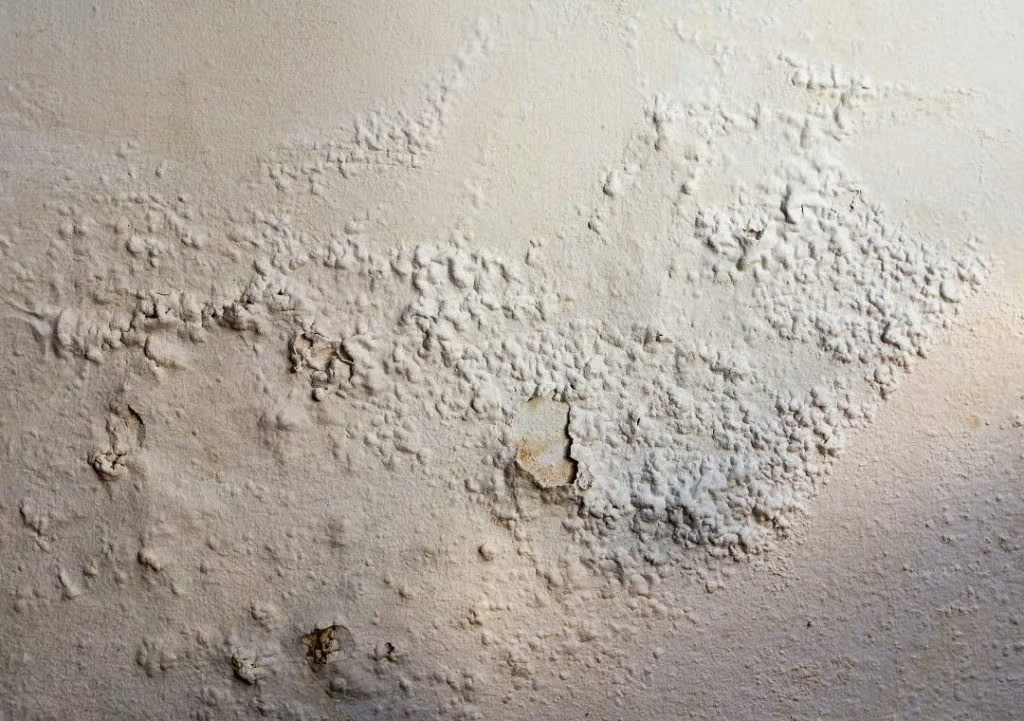 Bubbling and deteriorating plaster can indicate moisture trapped within a wall.
Examine the lower sections of walls, especially around external corners, behind furniture, near plumbing fixtures, and along skirting boards. These areas can hide moisture for long periods.
Also look for white powdery deposits on masonry. These may be signs of efflorescence, which occurs when water moves through masonry and leaves mineral deposits behind as it evaporates.
3. Check Bathrooms for Hidden Leaks
Bathrooms are among the most important areas to inspect because they contain multiple water connections, drains, seals, and waterproofed surfaces. A small failure around a shower or bathtub can allow water to enter floors and walls over time.
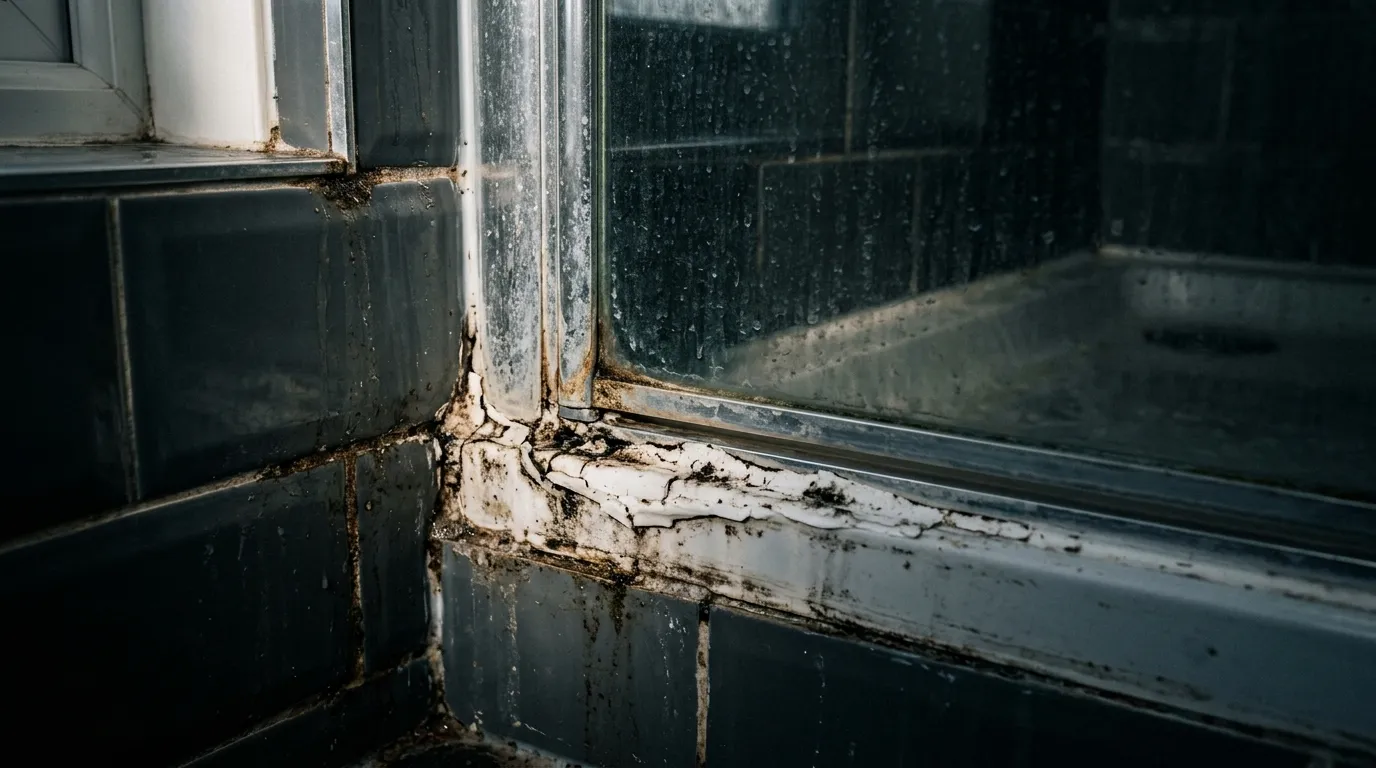 Damaged bathroom seals and grout can allow water to escape into surrounding materials.
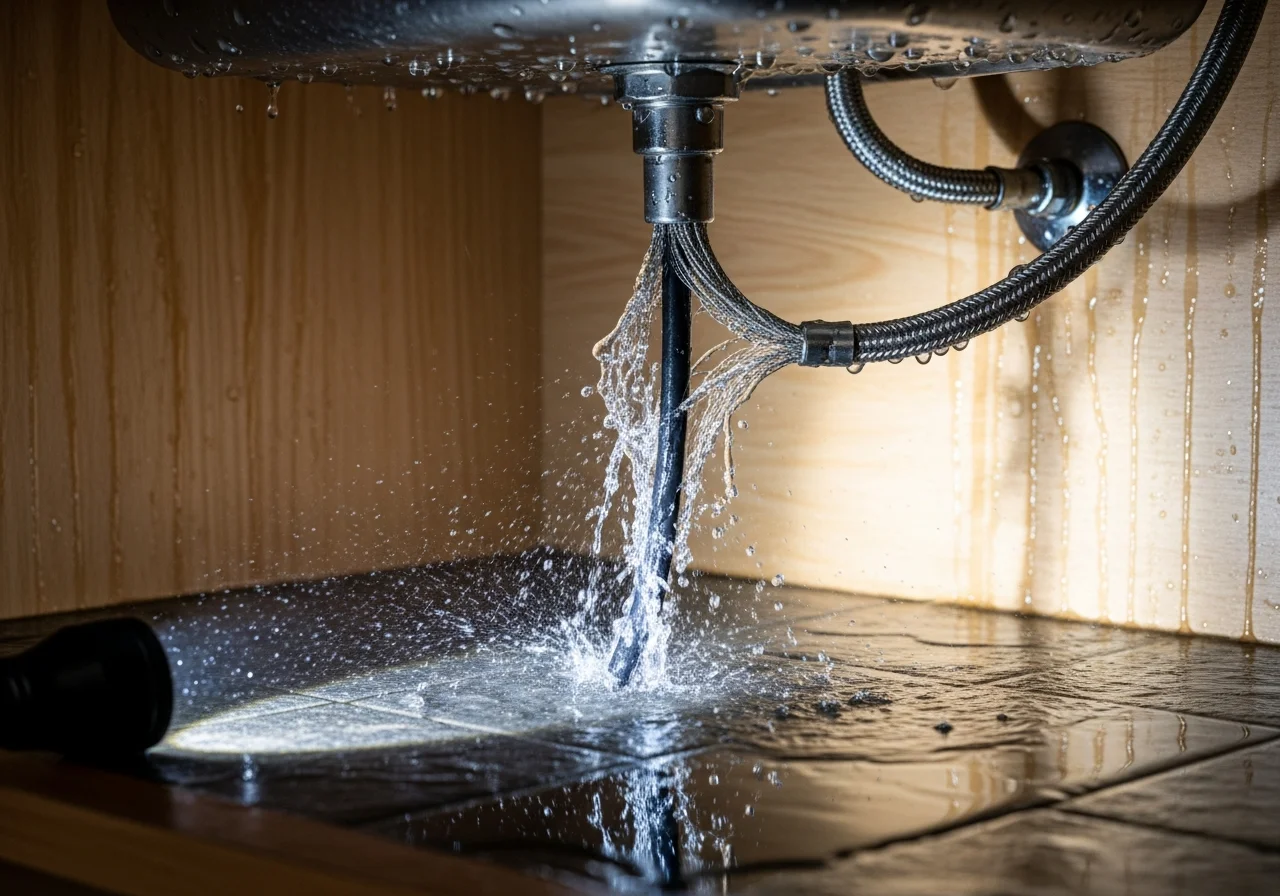 Plumbing connections beneath sinks deserve a close inspection.
Look closely at the silicone around showers, bathtubs, and sinks. Cracked, missing, or discolored sealant may allow water to seep behind fixtures. Inspect grout lines for missing sections, cracks, or persistent dark areas.
If the seller permits it, run the taps and shower briefly. Check whether water drains properly and whether there are signs of leakage beneath sinks or around the base of toilets.
- Check silicone seals around showers and bathtubs.
- Look for cracked or missing grout.
- Inspect the floor around toilets and shower enclosures.
- Open accessible vanity cupboards and check for dampness.
- Look for swollen cabinets and damaged skirting boards.
- Notice persistent musty smells.
4. Open Cabinets and Inspect Under Sinks
A property may have attractive kitchens and bathrooms while hiding plumbing problems inside cabinets. Leaks beneath sinks can go unnoticed because the water is contained within enclosed cupboards.
Open the kitchen and bathroom cabinets during your viewing. Look for water stains, swollen cabinet bases, peeling laminate, rusty fittings, damp items, and visible mold. Pay attention to the connections leading to taps, drains, dishwashers, and washing machines.
If the area smells musty or looks recently cleaned, ask whether there has been a leak. A dry surface at the time of viewing does not necessarily mean that the plumbing has never leaked.
5. Examine Basements and Foundation Walls
Basements and lower-level spaces deserve special attention because they are more exposed to moisture from the surrounding ground. Water can enter through foundation cracks, poorly sealed joints, damaged drainage systems, or inadequate waterproofing.
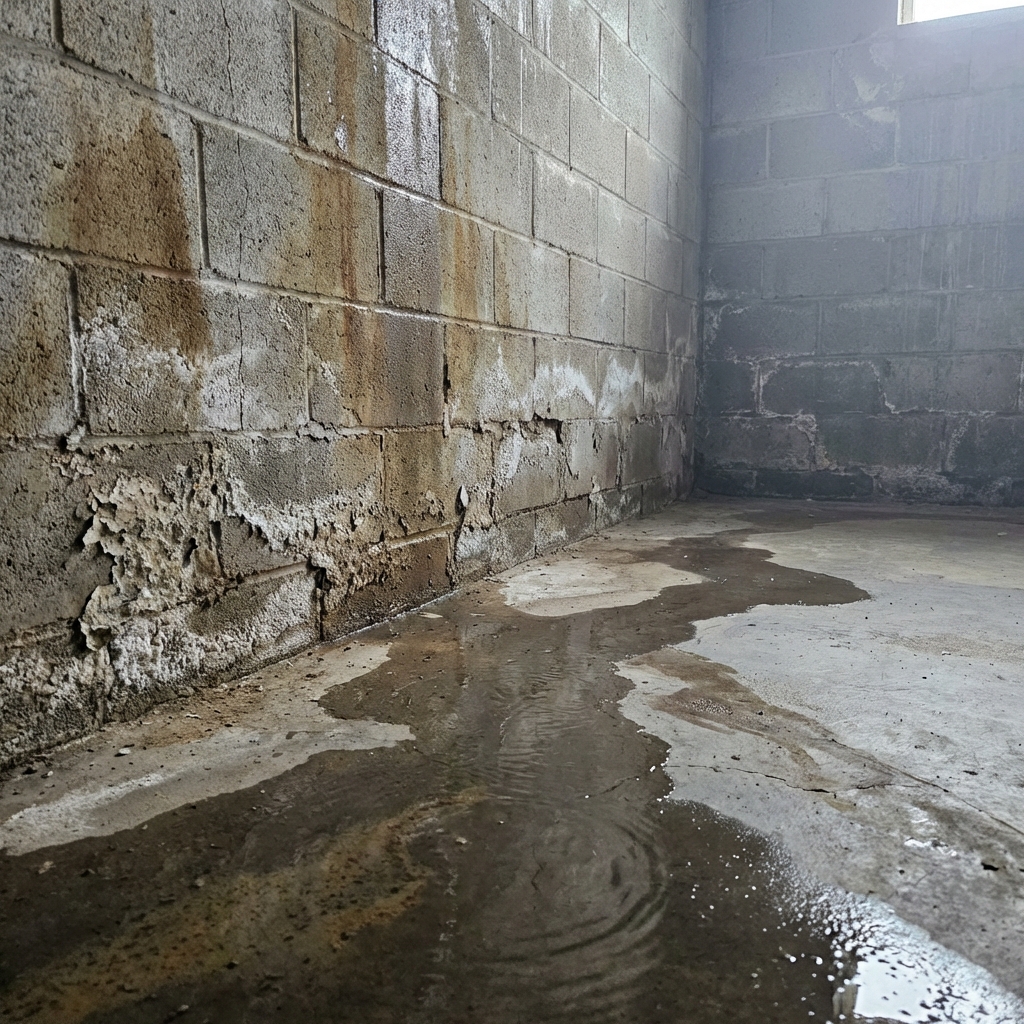 Basement moisture can originate from foundation walls, drainage problems, or groundwater pressure.
Look for damp patches, water marks, peeling coatings, white mineral deposits, and cracks in foundation walls. Check where the floor meets the walls, as this junction can reveal signs of water entering the basement.
Pay attention to stored belongings and furniture. If items are raised off the floor or arranged to hide sections of the walls, ask whether there has been previous flooding or water intrusion.
6. Watch for Mold and Persistent Musty Smells
Mold can develop when materials remain damp for extended periods. It may appear as black, green, gray, or white spots on walls, ceilings, window frames, and other surfaces.
 Visible mold growth can indicate a persistent moisture problem that needs investigation.
Do not rely only on what you can see. A strong musty smell may indicate hidden moisture behind furniture, inside cupboards, beneath flooring, or within wall cavities.
However, mold does not automatically prove that a property has a plumbing leak. Condensation, poor ventilation, and cold surfaces can also contribute to mold growth. The important question is identifying and correcting the moisture source.
7. Inspect Windowsills and Frames
Windows are another common entry point for unwanted moisture. Damaged seals, deteriorated frames, blocked drainage channels, and poorly installed windows can allow rainwater to enter the surrounding structure.
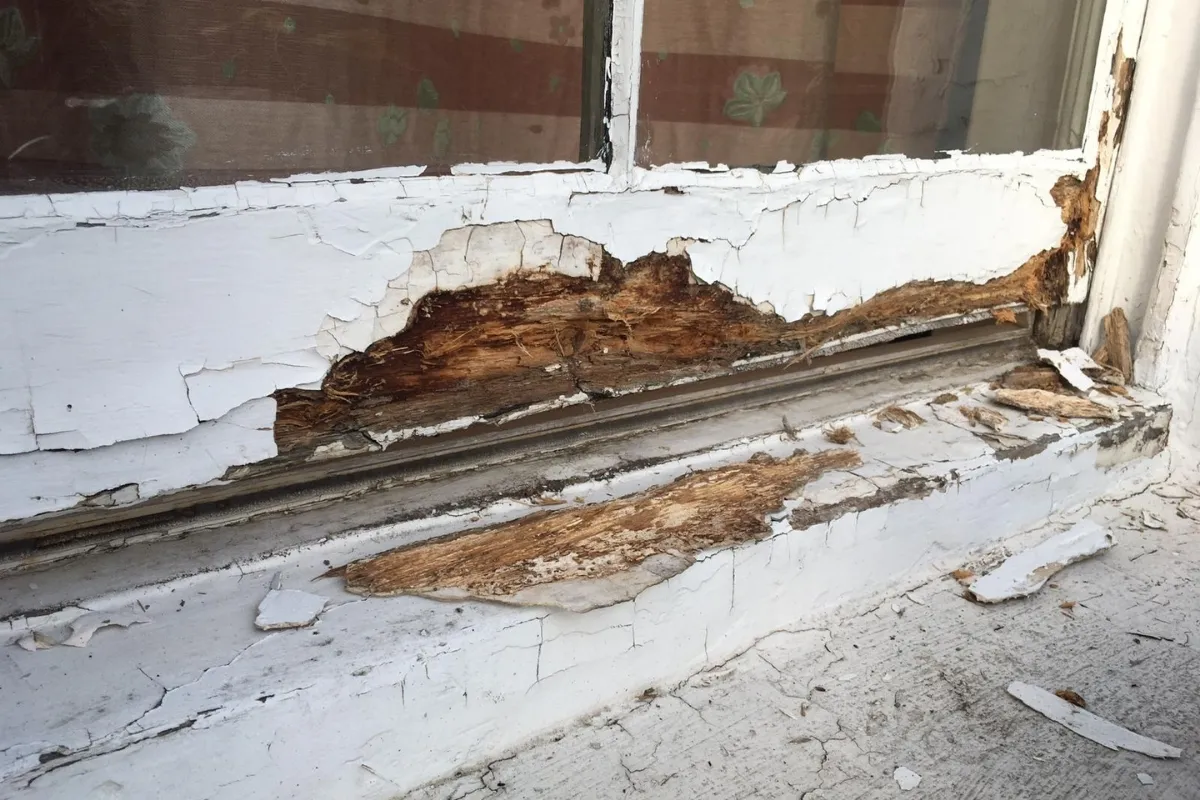 Rotten window sills and deteriorating finishes can indicate repeated moisture exposure.
Inspect the bottom corners of window frames and the surfaces directly beneath them. Look for peeling paint, swollen wood, soft sections, dark staining, and damaged sealant.
If the windows are wooden, pay particular attention to areas that feel soft or appear to be deteriorating. Repeated exposure to water can eventually cause timber to rot and compromise the surrounding finishes.
8. Walk Around the Exterior After Checking the Inside
Water damage does not always start inside the property. Exterior drainage problems can direct rainwater toward the building, increasing the risk of moisture entering basements, foundations, and lower-level walls.
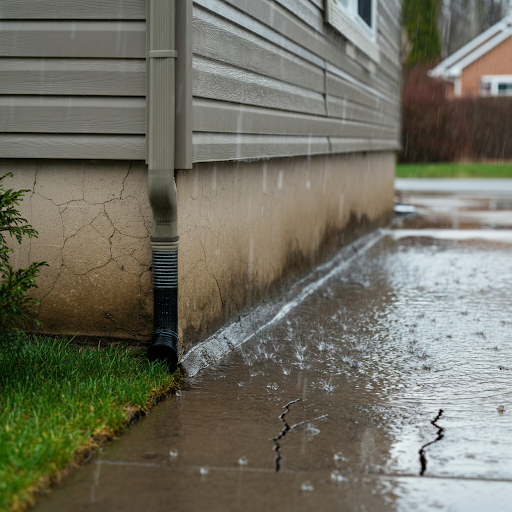 Poor drainage and water collecting close to the property can increase moisture risks.
Walk around the building and inspect the ground surrounding the foundation. Ideally, the ground should direct rainwater away from the structure rather than allowing it to collect beside the walls.
Check gutters and downspouts for visible damage, blockages, or disconnected sections. Make sure downspouts discharge water away from the foundation rather than directly beside it.
- Gutters that are sagging, damaged, or overflowing.
- Downspouts that discharge water beside the foundation.
- Standing water or muddy ground near exterior walls.
- Cracks in visible foundation surfaces.
- Damaged exterior sealant around doors and windows.
- Roof edges and visible flashing where accessible from the ground.
9. Check the Attic for Signs of Roof Leaks
A roof leak can remain hidden until water reaches the ceiling below. If the property has an accessible attic, ask permission to inspect it. Look for water staining on roof decking, damp insulation, dark marks around roof penetrations, and signs of previous repairs.
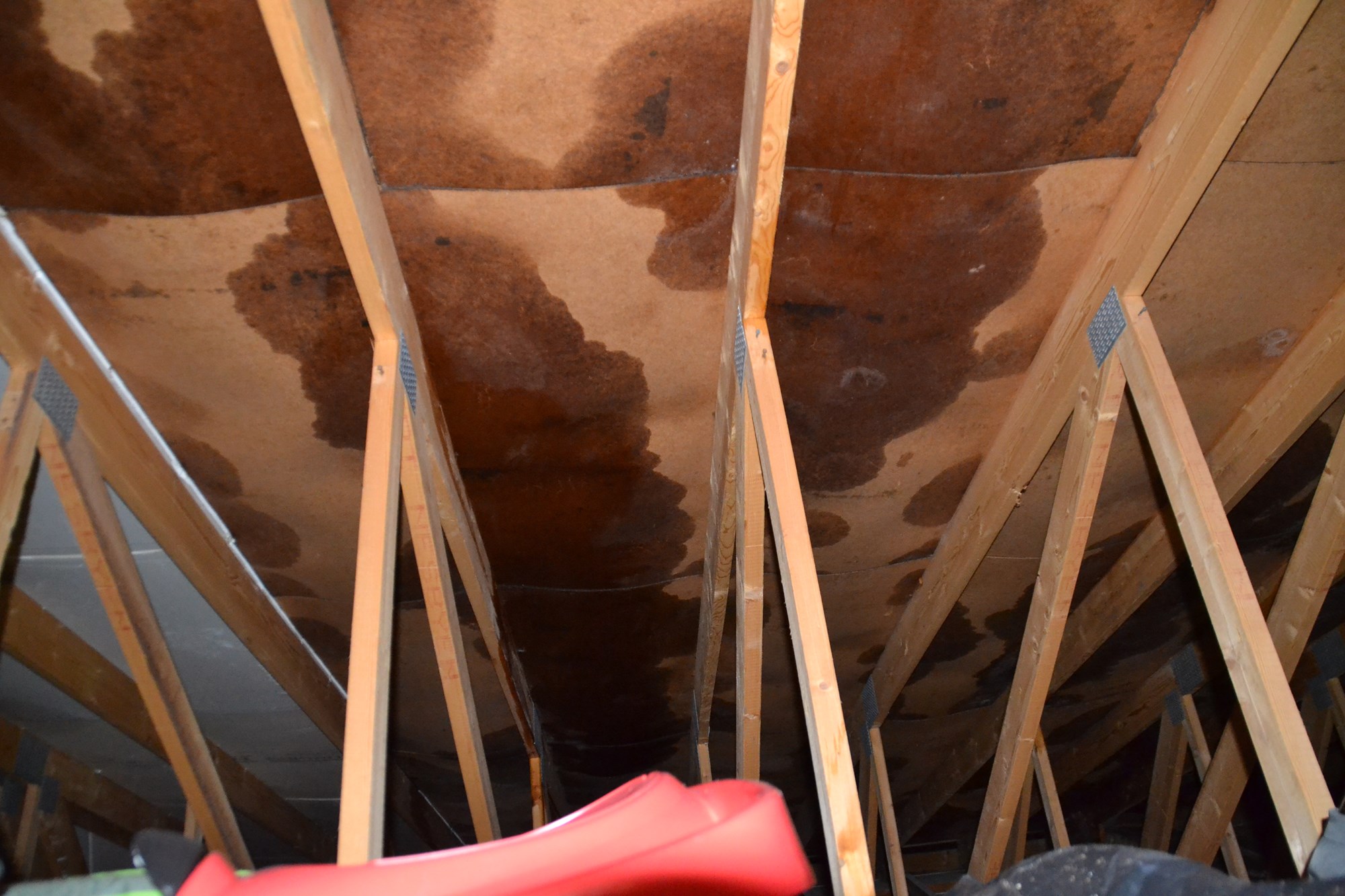 Discoloration on roof decking may indicate water entering through the roof or nearby flashing.
Pay particular attention to areas around chimneys, roof vents, skylights, and other roof openings. These are places where flashing or seals can deteriorate and allow rainwater inside.
Also look for insulation that appears compressed, discolored, or damp. Wet insulation may lose effectiveness and can indicate a moisture issue that needs professional assessment.
10. Look for Warped Floors and Damaged Flooring Materials
Water can cause significant damage beneath flooring, sometimes without creating obvious signs on the surface immediately. Wooden floors may swell, cup, buckle, or separate as they absorb moisture.
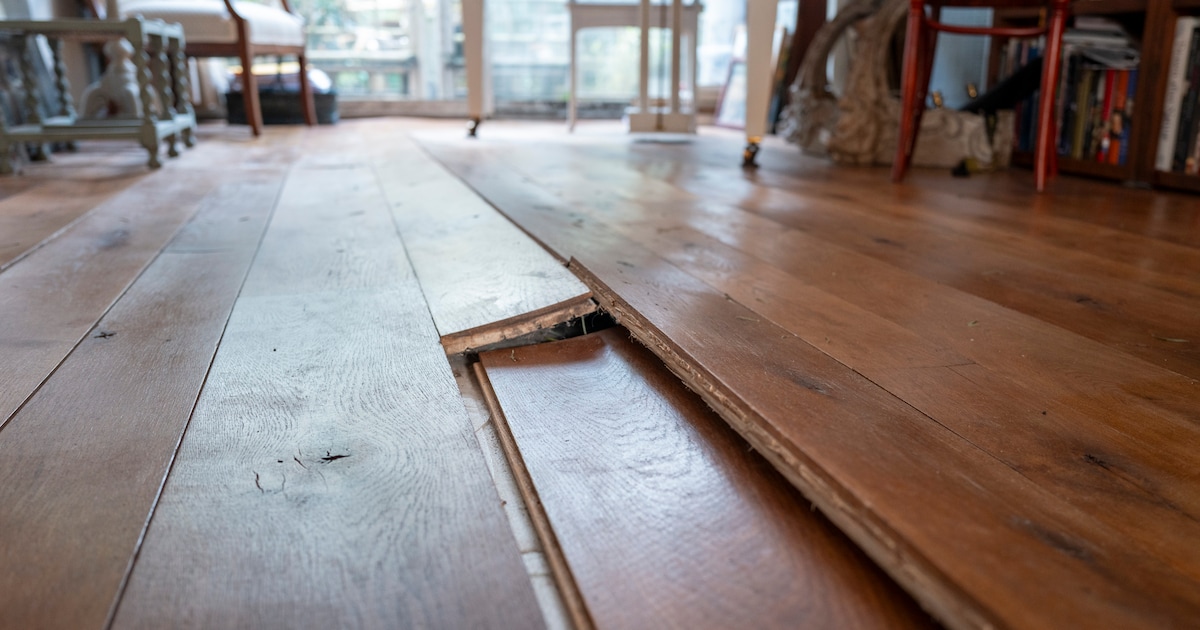 Warped floorboards can be a visible sign of moisture exposure beneath or around the flooring.
Walk through each room and pay attention to uneven sections, raised edges, loose flooring, discoloration, and unusual softness. Inspect the areas around bathrooms, kitchens, exterior doors, and appliances that use water.
Carpet can conceal damage beneath it, so ask about any history of flooding or leaks if a room has recently had new flooring installed.
11. Be Careful of Fresh Repairs That Hide Previous Problems
A freshly painted wall, new ceiling panel, or recently replaced section of flooring is not necessarily a warning sign. Renovations are a normal part of property ownership. However, when new finishes appear in isolated areas, it is reasonable to ask what was repaired.
Sometimes cosmetic improvements are made after a leak has been fixed. In other cases, the visible damage may have been covered without addressing the underlying moisture problem.
Ask about the work
Find out when the repair was completed, what caused the original damage, and who carried out the work.
Request documentation
Ask for invoices, contractor details, warranties, and any reports confirming that the source of water was repaired.
Compare surrounding areas
Look for differences in paint texture, flooring, plaster, or other finishes that may indicate localized repairs.
Get independent advice
If something seems unusual, arrange a professional inspection before committing to the purchase.
12. Understand the Difference Between Minor Moisture and Serious Water Damage
Not every moisture-related issue has the same level of risk. A small amount of condensation around a window is different from an active plumbing leak or water entering through a foundation wall.
The following table can help you understand why certain warning signs deserve closer attention. It is a guide for prioritizing questions, not a diagnosis of the property’s condition.
| Visible sign | Possible cause | What to do |
|---|---|---|
| Small window condensation | Humidity, poor ventilation, or cold glass | Check ventilation and surrounding surfaces |
| Brown ceiling stains | Roof leak or plumbing leak | Identify the source and check for hidden damage |
| Peeling wall paint | Moisture behind the finish or poor surface preparation | Investigate the wall and test moisture levels |
| Musty smell and visible mold | Persistent dampness or condensation | Identify the moisture source and assess affected areas |
| Warped flooring | Water exposure or elevated moisture | Inspect flooring and the materials underneath |
| Basement water marks | Groundwater intrusion or drainage problems | Arrange a foundation and drainage assessment |
13. What to Do If You Discover Water Damage Before Buying
Finding signs of water damage does not automatically mean you should walk away from a property. Some problems are relatively straightforward to repair, while others can involve substantial structural work and ongoing maintenance.
The important thing is to understand the cause, extent, repair requirements, and potential costs before making your decision.
- Photograph all visible stains, damaged surfaces, and suspicious areas.
- Ask the seller whether there have been previous leaks or flooding incidents.
- Request records of repairs and any previous water-damage inspections.
- Arrange an independent property inspection.
- Ask whether moisture-meter testing is appropriate.
- Obtain specialist advice if structural damage, mold, or foundation issues are suspected.
- Get repair estimates before agreeing on the purchase price.
- Review your contract and applicable disclosure requirements with your real estate or legal professional.
A qualified home inspector can identify visible concerns and recommend further evaluation. Depending on the findings, you may also need a plumber, roofer, waterproofing specialist, structural engineer, or mold assessment professional.
14. Questions to Ask the Seller About Water Damage
A property viewing is also an opportunity to ask questions. Instead of relying only on what you can see, try to understand the property’s history and whether any previous moisture problems have been properly resolved.
- Has the property ever experienced flooding or water intrusion?
- Have there been any roof leaks or plumbing leaks?
- Has mold ever been discovered inside the property?
- Have any walls, ceilings, or floors been repaired because of water damage?
- Have there been problems with the basement or foundation?
- Have the gutters or exterior drainage systems required repairs?
- Are there any warranties, invoices, or inspection reports relating to previous repairs?
Where possible, request written answers and supporting documentation. Seller disclosure rules vary by location, so buyers should also check the requirements that apply in their area.
Frequently Asked Questions
Can a house have water damage without visible stains?
Yes. Moisture can exist behind walls, beneath flooring, inside ceilings, or around plumbing connections without creating obvious surface marks. A professional inspection and appropriate moisture testing may help identify hidden problems.
Does a musty smell always mean there is mold?
Not necessarily. Musty odors can be associated with damp materials, poor ventilation, or hidden moisture. Mold may be present, but the source of the smell should be investigated rather than assumed.
Should I avoid buying a property with previous water damage?
Not automatically. The important factors are what caused the damage, whether the source was repaired, whether affected materials were properly restored, and whether any ongoing issues remain. Independent professional advice can help you evaluate the risk.
Can fresh paint hide water damage?
Fresh paint can cover visible staining temporarily, but it does not repair the underlying cause of moisture. Ask about recent decorative work and investigate any suspicious areas.
What is the most important area to inspect for water damage?
There is no single area that is most important for every property. Ceilings, bathrooms, kitchens, basements, exterior drainage, windows, and attics all deserve attention because each can reveal different types of moisture problems.
Can a regular home inspection detect water damage?
A home inspection can identify many visible warning signs and areas of concern. However, a standard inspection may not uncover every hidden issue. Additional specialist testing may be recommended when there are signs of moisture intrusion.
Final Thoughts: Look Beyond the Fresh Paint
Buying a property is a major investment, and a beautiful appearance should never be the only factor guiding your decision. Water damage can affect ceilings, walls, floors, plumbing, foundations, and even the air quality inside a home.
Take your time during viewings. Open cabinets, inspect bathrooms, look at ceilings, walk around the exterior, and pay attention to unusual smells or freshly repaired areas. Ask questions and request documentation whenever something seems unusual.
Most importantly, do not rely on a quick viewing to rule out hidden moisture problems. If you discover warning signs, arrange an independent professional inspection before moving forward.
A little extra investigation before purchasing can help protect your investment and prevent expensive surprises after you receive the keys.
Disclaimer: This guide is for general informational purposes and is not a substitute for a professional property inspection. Water damage, mold, and structural concerns should be assessed by appropriately qualified professionals.


Join the conversation
Know this place? Leave a comment or ask a question.