How to Prepare for a Property Viewing
At a glance
- Read the property details again before you arrive so you know what was promised in the listing.
- Take a short checklist rather than trying to remember everything.
- Look beyond furniture and decoration and pay attention to the condition of the property.
- Check practical things such as windows, doors, storage, water, heating and power sockets where appropriate.
- Spend some time looking at the outside of the property and the surrounding street.
- Write down your impressions immediately after the viewing while everything is still fresh.
- If you are seriously considering the property, arrange further checks and professional advice before committing.
Why preparing for a viewing matters
It is surprisingly easy to walk into a house and immediately start imagining your furniture in the living room. You notice the nice kitchen, the bright bedroom, the garden, or the fact that the house simply feels right.
That is completely normal. But a viewing should also be a practical inspection.
You are trying to understand what the property is really like, not just whether you like the way it has been presented. A tidy room can hide awkward storage. Fresh paint can make a tired wall look better than it really is. A beautifully styled kitchen does not tell you how well the cupboards, taps or appliances work.
The aim is not to find a perfect house. Very few homes are perfect. The aim is to understand what you are looking at, what may need attention, and whether the property works for your everyday life.
Before you leave home
A good viewing starts before you arrive. You do not need to spend hours preparing, but a few minutes beforehand can help you stay focused.
Read the listing again
Look back at the property description, photographs and basic details. Remind yourself of the things that originally caught your attention.
Make a note of anything you want to confirm. If the listing mentions a recent renovation, parking, a garden, loft space, new windows or included appliances, make sure you remember to ask about it or look for it during the viewing.
Know your own priorities
Before seeing the property, remind yourself what actually matters to you.
For example, you may need a quiet bedroom, enough storage, a workable kitchen, space for a desk, reliable parking or a garden that is manageable rather than enormous. Knowing your priorities makes it easier to judge the house on what you need rather than what looks impressive in the moment.
Bring a few useful things
- Phone for notes and, with permission, photographs.
- Property details or listing saved on your phone.
- A simple viewing checklist.
- Tape measure if room dimensions matter to you.
- Questions you want the agent or seller to answer.
- A second person if you would value another pair of eyes.
Look at the outside before getting too excited about the inside
If possible, take a moment to look at the property before walking through the front door. You do not need to diagnose building problems yourself. You are simply looking for anything that deserves a question or further investigation.
Walls and exterior finishes
Look at the general condition of the brickwork, render, paintwork or other exterior finishes. Notice obvious cracks, damaged areas or signs that water may have been getting where it should not.
Roof and gutters
From ground level, look for visibly damaged or missing roof materials, sagging gutters or obvious signs of poor drainage.
Windows and doors
Look at their general condition and ask about age or glazing if this matters to you. During the viewing, check whether they open, close and lock properly where you are allowed to do so.
Garden and boundaries
Think about how much maintenance the outdoor space will actually require. Look at fencing, access, privacy, storage and whether the garden is overlooked.
Take your time inside every room
Once inside, resist the temptation to rush through the house. Walk into each room and spend a moment looking around from different angles.
Try to imagine the room on an ordinary weekday rather than during a viewing. Where would your furniture go? Where would coats, shoes, cleaning supplies and everyday items live? Would there be enough space when the room is actually being used?
Natural light
Notice where the windows are and how much natural light reaches the room. If possible, ask about the orientation of the property and consider whether you should view it at another time of day.
Walls and ceilings
Look for obvious cracks, staining, peeling paint, mould or signs of condensation. Also pay attention to unusual smells, particularly musty smells.
Floors
Look at the general condition of the flooring and notice anything that feels uneven or damaged. Rugs and furniture can make some areas harder to inspect, so ask questions if something catches your attention.
Storage
Open cupboards where appropriate and look at the amount of built-in storage. A room can appear spacious when empty but become difficult to use once everyday belongings arrive.
Check the kitchen like you would use it
A kitchen is one of those rooms that can look completely different in photographs compared with real life. During a viewing, think about how it would work for you rather than simply whether you like the colour of the cabinets.
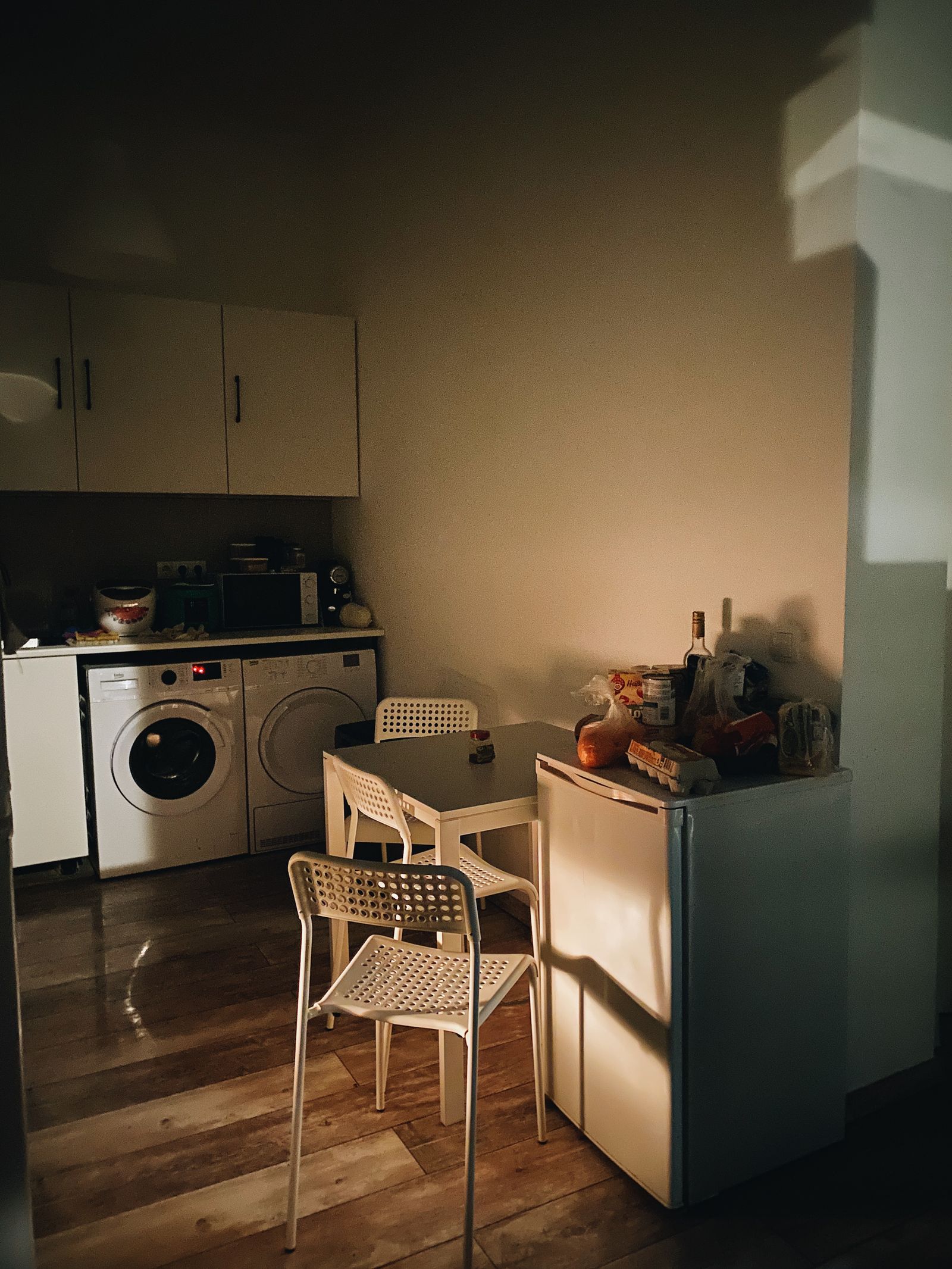
Look at the amount of workspace, cupboard storage and room for the appliances you need. Check whether the layout makes sense for cooking, washing up and storing food.
If the seller or agent allows it, you can check taps, switches and appliances. Ask which appliances are included in the sale and whether they are staying with the property.
Also look underneath the sink and around visible plumbing for anything that deserves a question. You are not carrying out a professional inspection, but obvious signs of leaks or damage should not be ignored.
Do not forget the bathroom
Bathrooms are another place where photographs can hide practical details. Look at the condition of the tiles, sealant, flooring and visible fittings.
Check whether there is enough storage and ventilation for your needs. If you are allowed to test the taps or shower, pay attention to water flow and how quickly hot water arrives.
Look for obvious damp, mould or staining, particularly around the bath, shower, sink and ceiling.
Pay attention to the small practical details
Some of the things that matter most after moving in are not the features you notice first during a viewing.

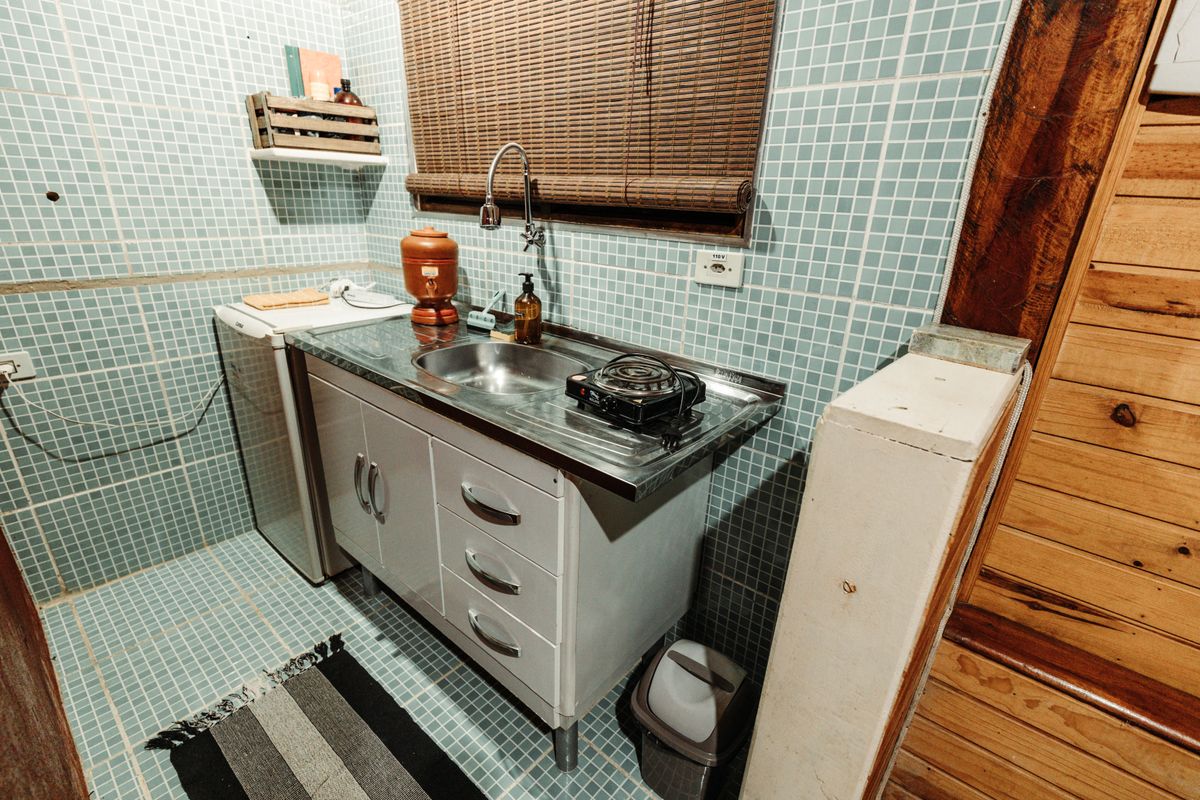
Think about sockets, heating, storage, internet access, mobile signal, parking, noise and the location of important equipment. Ask where the boiler, fuse box, stopcock or other key controls are located if that information is important to you.
If the property is a flat, there may be additional things to investigate, such as shared areas, building maintenance, service charges or rules that affect how the property can be used. The exact questions will depend on where the property is located and the type of ownership involved.
Ask questions that reveal the property’s history
You do not need to interrogate the estate agent. A relaxed conversation can often give you useful information.
Ask about the age of the heating system, recent improvements, previous repairs and why the owners are moving if that information is available. If an extension, conversion or other major work has been carried out, ask what documentation is available for it.
It can also be useful to ask how long the property has been on the market and whether there have been previous offers, although answers can vary depending on the circumstances.
| Area | Useful questions to consider |
|---|---|
| Condition | Have there been any recent repairs? Are there known issues that need attention? |
| Heating | What system is installed? How old is it? Is there service or maintenance information? |
| Alterations | Has the property been extended or converted? Is documentation available for the work? |
| Included items | Which appliances, fixtures or fittings are included? |
| Outside space | Which garden, parking area or storage spaces belong to the property? |
| Area | What is the traffic, parking and general noise like at different times? |
Step outside and look at the neighbourhood
The property does not stop at its front door. Once the viewing is over, spend a little time looking around the surrounding area if you can.
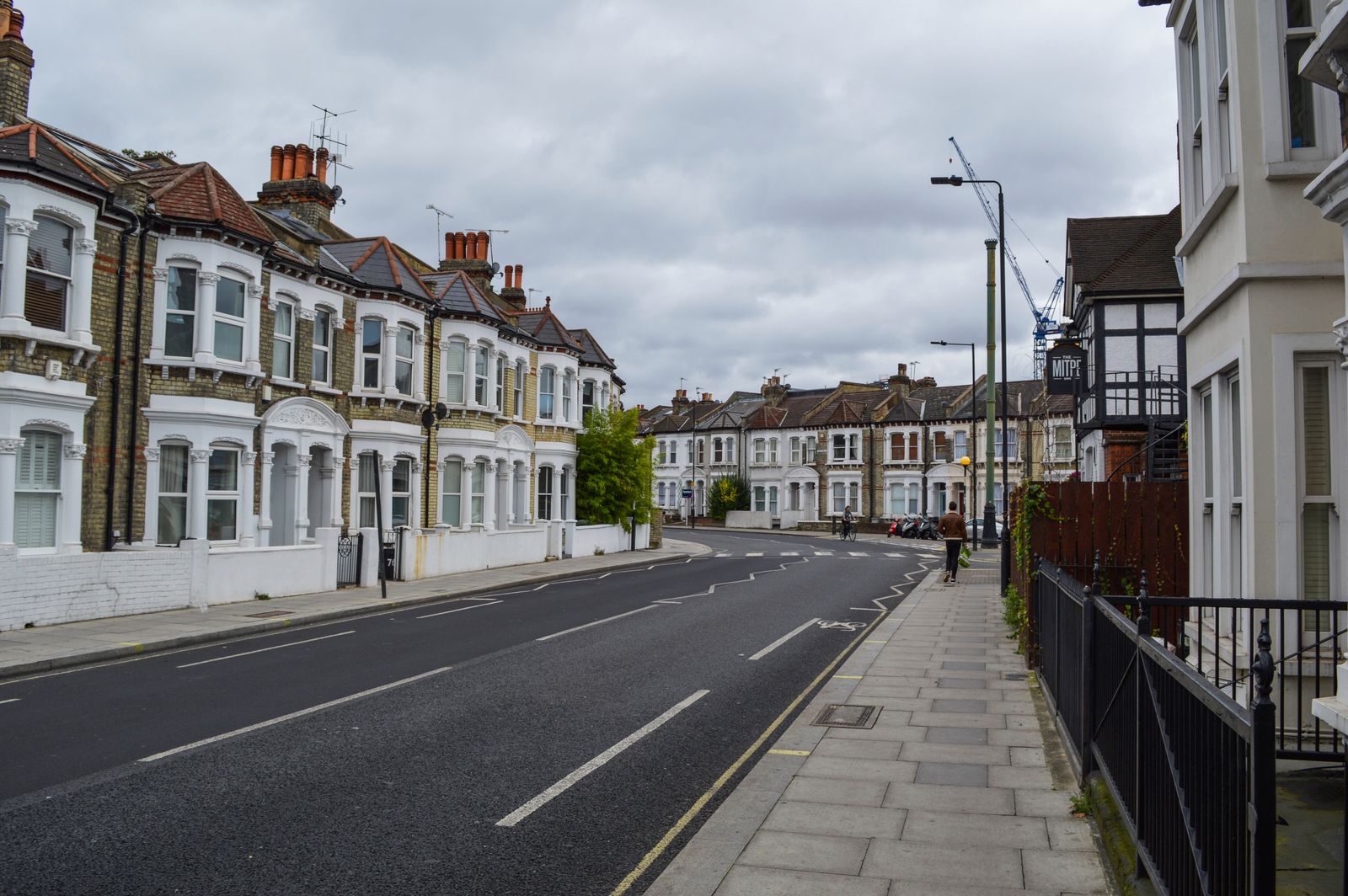
Walk along the street. Notice traffic, parking, noise, nearby buildings, shops, public transport and how easy it is to get around. If you are planning a daily commute, school run or regular walk to local amenities, think about how that journey would feel in real life.
It can also be useful to return at another time. A street can feel very different in the morning, during the afternoon or around the evening rush.
Take notes immediately after the viewing
Once you leave, take five minutes before you move on to the next property.
Write down what you liked, what concerned you and what you still need to find out. If you view several homes in a short period, details can blur together surprisingly quickly.
- What were my three favourite things about this property?
- What were my three biggest concerns?
- Did the layout actually work for my lifestyle?
- Was there enough storage?
- How did the property feel in terms of light, noise and privacy?
- What questions still need answers?
- Would I want to view it again?
Do not make a decision based on the first viewing alone
If you really like a property, a second viewing can be extremely useful. The first visit is often about getting a feel for the home. The second can be much more practical.
You may notice things you missed the first time, have better questions, or realise that a room is smaller or more awkward than you initially thought.
If you are seriously considering buying, remember that a viewing is not a substitute for appropriate professional checks. A survey or other inspection can look at aspects of the property’s condition that you cannot reasonably assess during a short visit.
How to prepare if you are viewing several properties
When you have several viewings booked, consistency becomes your friend.
Use the same basic checklist at every property. Take similar notes, record the same practical details and compare the homes when you are back somewhere quiet.
This makes it much easier to separate genuine differences from the emotions of the moment. One property may have the nicest kitchen while another has the better layout. One may look more polished while another may offer better storage or outdoor space.
You do not have to decide everything during the viewing itself. Sometimes the most useful thing you can do is leave, think about it calmly, and then arrange another visit if the property still stands out.
Frequently Asked Questions
What should I bring to a property viewing?
A phone for notes, your property details, a simple checklist and a tape measure can all be useful. If you are comfortable doing so, bring someone you trust for a second opinion.
What should I check first when viewing a house?
Start with the overall condition and layout. Look at the exterior, then move through each room and pay attention to damp, cracks, windows, doors, storage, heating, lighting, plumbing and anything else that affects everyday use.
Should I take photos during a property viewing?
Photos can be helpful when comparing several homes, but always ask permission first. Your notes are just as important because they can capture things that a photograph does not.
How many times should I view a property?
There is no universal number. If you are seriously considering a property, a second viewing can help you inspect it more carefully and revisit questions that came up after the first visit.
What questions should I ask the estate agent?
Ask about recent work, heating, repairs, what is included, outdoor space, parking, previous alterations and anything you noticed during the viewing. If an answer is important to your decision, ask whether it can be confirmed in writing.
Should I get a survey after viewing a house?
If you decide to proceed with a purchase, an appropriate independent survey or inspection can provide information that a normal viewing cannot. The right type depends on the property and where you are buying.
What if I notice a problem during the viewing?
Do not automatically assume it is a deal-breaker. Make a note of it, ask questions and find out whether the issue has been investigated or repaired. More serious concerns may need professional assessment before you proceed.
Go in curious, not just excited
A property viewing is much more useful when you treat it as a chance to learn rather than simply a chance to see whether you like the house.
Look carefully, ask sensible questions, think about how the home would work on an ordinary day and give yourself time to reflect afterwards. You do not need to spot every possible problem yourself. You just need to know what deserves another question or a professional look.
The more prepared you are, the easier it becomes to compare properties based on what actually matters to you.