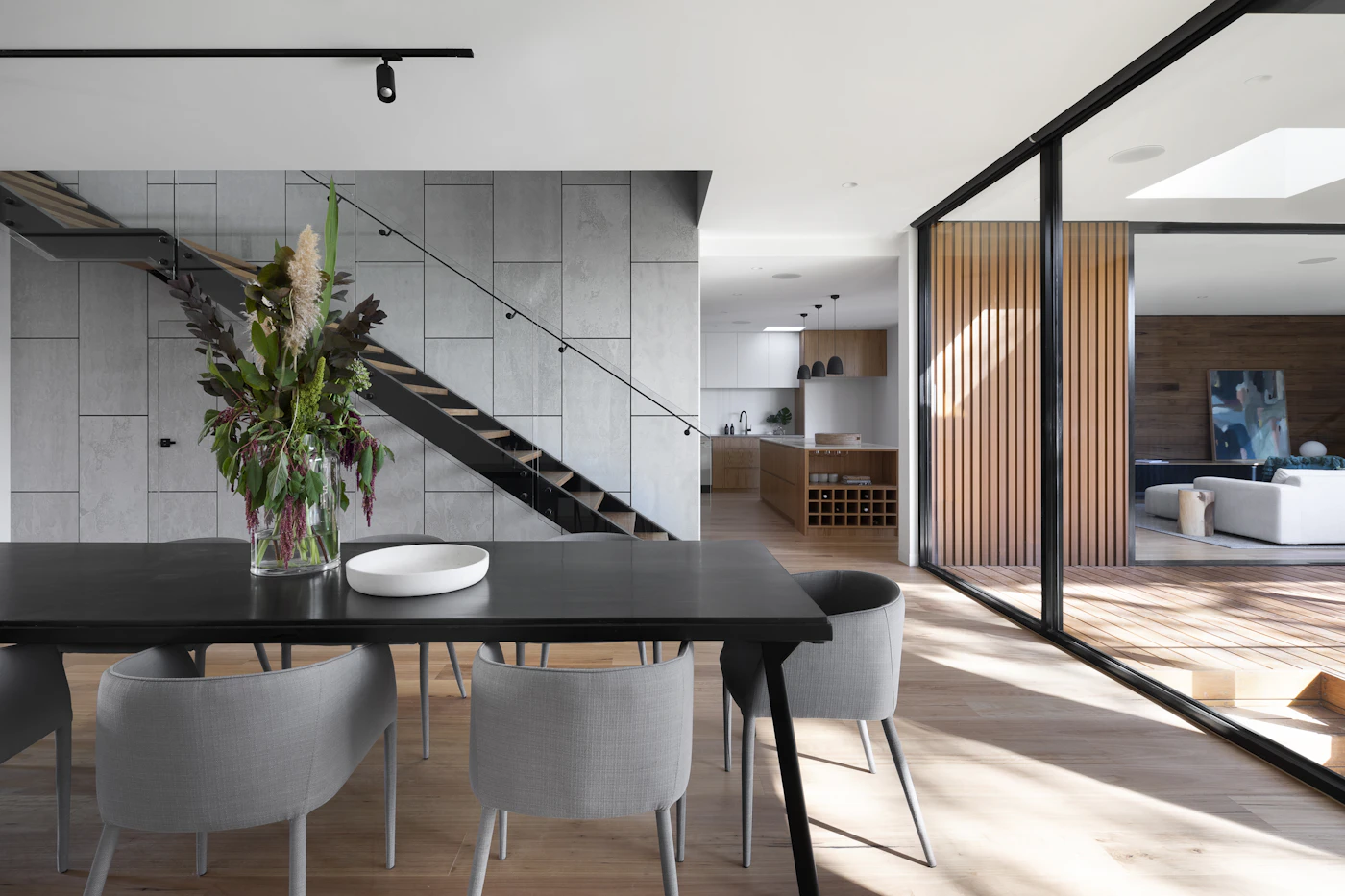
How to Know When You’re Ready to Buy a House

Home Buying Guide How to Know When You’re Ready to Buy a House A practical way to assess your finances, priorities, timing, and readiness before committing to homeownership.
Property Guide Home Buying First-Time Buyers

Buying a house is a major commitment, and being ready involves more than wanting a place of your own. Learn how to assess your finances, lifestyle, responsibilities, and plans so you can approach the buying process with greater clarity.

There is no single moment when everyone becomes “ready” to buy a house. For one person, the timing may make sense because their finances are stable and they expect to stay in the same area for several years. For another, renting may remain the more practical choice while their job, savings, or personal plans are still changing.

The useful question is not whether you feel completely certain. Buying property always involves some uncertainty. Instead, look at whether the main pieces of the decision fit together: your finances, your plans, your preferred location, and your ability to handle the responsibilities that come with owning a home.

A little preparation can also prevent a common mistake: starting with property listings and only later discovering that the budget, timing, or lifestyle assumptions do not work. Before you fall in love with a house, make sure you are ready for the commitment behind it.

At a glance
  • Your income and broader finances should be stable enough to support a long-term housing commitment.
  • You should understand the money needed beyond the purchase price, including ongoing ownership and maintenance costs.
  • A realistic idea of where and how you want to live makes the search much more focused.
  • You should have a plan for unexpected repairs and other costs that come with owning a property.
  • Your job, household, and location plans matter because buying can reduce flexibility compared with renting.
  • Getting emotionally excited about a particular property is not the same as being financially or practically ready.
  • If several major pieces are uncertain, waiting and preparing can be more useful than rushing into a purchase.

Start with financial stability, not a house price

A listing price can give you an initial idea of what is available, but it should not be the starting point for deciding what you can comfortably afford. Readiness begins with understanding your own financial position.

Look at your regular income, existing debts, savings, recurring expenses, and the amount you could realistically dedicate to housing without making the rest of your budget uncomfortably tight. The goal is not simply to find the maximum amount a lender might allow. It is to understand what level of housing expense fits your actual life.

Your finances also need some breathing room. Homeownership can involve expenses that are less predictable than a monthly rent payment. Repairs, maintenance, replacements, and property-related costs can arise at inconvenient times.

Ask yourself

Could I continue meeting my regular commitments if my household budget became tighter for a period of time?

Look beyond the deposit

Consider the wider costs of buying and owning a property, which vary by location, property type, financing arrangement, and personal circumstances.

Watch out

Being able to qualify for a particular mortgage amount does not automatically mean that borrowing the full amount is comfortable for you. Leave room for ordinary life expenses, changing circumstances, and the costs of maintaining a home.

Have you built a sensible savings cushion?

Buying a house usually requires more preparation than saving for a single upfront payment. You may need funds for the purchase itself as well as other transaction-related expenses, moving costs, initial improvements, furnishings, and unexpected issues after you move in.

The exact amounts depend on where you live and the property you buy, so avoid relying on a generic figure from someone else’s experience. Instead, build a personal estimate based on the rules, fees, taxes, financing arrangements, and professional advice that apply to your situation.

It is also worth asking what happens to your finances after the purchase. If almost all of your savings disappear on the day you complete the transaction, you may have little flexibility left for repairs or other surprises.

Before you start viewing seriously
  • Review your current savings and regular spending.
  • Identify existing debts and other financial commitments.
  • Estimate the total cash you may need to complete a purchase.
  • Allow for moving and initial home-related expenses.
  • Keep an appropriate financial cushion rather than committing every available euro or dollar to the purchase.
  • Check the rules and costs that apply in your location and circumstances.

Consider how stable your life is right now

Financial readiness is only one part of the decision. Buying can make sense when your broader plans are reasonably settled, particularly if you expect to remain in the same area for a meaningful period.

That does not mean your life needs to be completely predictable. Few people’s lives are. But if you are considering a major move, changing careers, relocating for work, or expecting a significant household change, it may be worth thinking carefully about the timing.

Homeownership can reduce some of the flexibility that renting provides. Selling a property takes time and involves its own costs and practical considerations. Buying a home that works only if everything goes according to your current plan can create unnecessary pressure if circumstances change.

Think in terms of flexibility

Ask yourself how likely it is that you will want to move in the near future. If you are unsure where you want to live, expect your work situation to change, or are deliberately keeping your options open, that uncertainty deserves to be part of the decision rather than something to ignore.

On the other hand, if you have a clear idea of the area where you want to live and the type of home that suits your household, you may be in a better position to begin researching properties seriously.

Know why you want to buy

It is useful to identify the actual reason you are considering homeownership. Maybe your current rental no longer suits your household. Perhaps you want more control over your living space, need a different location, or are looking for a home that supports your longer-term plans.

A clear reason can help you make better decisions because it gives you a reference point when attractive properties appear. If your main goal is stability and a practical place to live, a beautifully renovated house with an inconvenient location may not solve the problem you started with.

Likewise, if you are mainly interested in buying because you feel pressure from friends, family, or social expectations, it may be worth stepping back. Homeownership is a personal financial and lifestyle decision. Someone else’s timeline does not have to become yours.

Person reviewing house plans and financial notes at a table
A clear plan helps you judge properties against your actual priorities rather than making decisions based on excitement alone.

Be clear about the kind of home you need

Readiness becomes easier to assess once you know what you are looking for. You do not need a perfect list of requirements, but you should have a realistic picture of how you want to live.

Consider the number of people in your household, work arrangements, commuting needs, outdoor space, parking, storage, accessibility, pets, hobbies, and how you use your evenings and weekends.

It can help to divide your requirements into three groups: must-haves, preferences, and features you can live without. This prevents a search from becoming a competition to find the biggest or most impressive property.

For a deeper look at this process, see How to Find a House That Fits Your Lifestyle. The right home is not necessarily the one with the longest list of features; it is the one that works well with the life you expect to lead.

Understand the responsibilities of owning a home

Renting and owning come with different responsibilities. As a homeowner, you generally have more control over the property, but you also take on more responsibility for maintaining it and dealing with problems when they arise.

Think about whether you are comfortable handling maintenance decisions. Some issues are straightforward, while others may require finding a qualified professional, comparing quotes, scheduling work, or dealing with a problem before it becomes more expensive.

The type of property matters too. A house with a large garden, older systems, extensive outdoor areas, or more complex maintenance requirements may demand more time and attention than a smaller or newer property. That does not make one option universally better; it simply means the responsibility should match your preferences and available time.

Consideration Question to ask before buying
Maintenance Am I comfortable budgeting time and money for ongoing repairs and upkeep?
Location Would I still be happy with this area if my routine stays broadly the same for the next several years?
Space Does the layout solve my current needs without paying for space I am unlikely to use?
Budget Will the total cost of ownership leave enough room for ordinary life and unexpected expenses?
Flexibility Would buying make my plans unnecessarily difficult if my circumstances changed?

Do not confuse emotional readiness with financial readiness

You may feel ready because you have spent months looking at listings, saved interior-design ideas, or found a property you love. Those feelings are understandable, but they should come after the practical checks rather than replacing them.

It is especially easy to become attached to a house before knowing whether it fits your budget or needs. Try to keep some distance until the fundamentals are clear.

A useful test is to imagine that the exact property you like disappears tomorrow. Would you still believe you are ready to buy a house, or would you simply be disappointed about losing that particular house? If your readiness depends entirely on one listing, take a step back and return to your broader plan.

Get comfortable with the buying process

You do not need to know every detail before starting. However, it helps to understand the basic stages involved in buying property where you live and to know which professionals you may need along the way.

Depending on your location and circumstances, this may involve arranging financing, viewing properties, making an offer, completing property checks, working with legal or conveyancing professionals, obtaining insurance, and completing the transaction. The exact process and requirements vary by jurisdiction.

If you are unsure about a legal, tax, financing, or contractual issue, use an appropriately qualified local professional rather than relying on general advice online.

Signs you may want to wait

Being not quite ready is not a failure. Sometimes the most useful decision is to spend more time preparing.

You may want to wait if your finances are changing rapidly, you have little savings left after accounting for the purchase, you are uncertain about where you want to live, or you would need to stretch your budget simply to enter the market.

Waiting can also make sense if you are buying mainly because you feel pressured to keep up with other people. A stronger financial position, clearer priorities, or a more settled location can make the eventual search much easier.

Watch out

Do not treat waiting as wasted time. Reviewing your budget, building savings, researching neighbourhoods, learning about the buying process, and defining your priorities are all useful preparation for a future purchase.

Signs you may be ready to start the process

You do not need every detail resolved before researching homes. A practical starting point is when the major pieces are reasonably clear: you understand your finances, have a realistic idea of your housing budget, know where you want to live, understand your essential requirements, and are prepared for the responsibilities of ownership.

At that point, begin with research rather than rushing into an offer. Compare properties, visit different neighbourhoods, speak with relevant professionals, and learn what homes in your preferred areas actually offer.

Use the first few viewings as information gathering. You are learning how your priorities translate into real properties. That experience can make your eventual shortlist much more realistic.

Frequently Asked Questions

How much money should I have saved before buying a house?

There is no universal amount because costs vary by country, property, financing arrangement, and personal circumstances. Consider the funds needed for the purchase and related costs while keeping an appropriate cushion for moving, maintenance, and unexpected expenses.

Do I need to feel completely financially secure before buying?

Complete certainty is unrealistic, but your finances should be stable enough that the purchase does not leave you with an uncomfortably tight budget. Look at your full financial picture rather than focusing only on the mortgage payment.

Should I buy a house if I am not sure where I want to live?

If your location plans are highly uncertain, think carefully about whether buying would reduce flexibility at the wrong time. A clearer idea of where you want to live can make the decision easier.

Is getting mortgage approval proof that I am ready to buy?

No. Approval or borrowing eligibility is one part of the process. You should also consider your broader budget, savings, ongoing ownership costs, lifestyle priorities, and how comfortable you are with the commitment.

What if I am ready financially but cannot find the right house?

There is no need to force the purchase. Use the time to refine your search, compare neighbourhoods, revisit your priorities, and continue building your financial position while waiting for a suitable property.

Should I buy now because I am worried house prices might change?

Short-term market uncertainty should not replace a personal assessment of affordability and readiness. Focus on whether the purchase works for your finances, plans, and housing needs, and seek current local professional advice where appropriate.

What is the clearest sign that I am ready to start looking?

You have a realistic housing budget, understand your financial position, know the kind of lifestyle and location you want, and are prepared for the practical responsibilities of ownership. From there, researching properties can be a useful next step without committing to a purchase immediately.

Make readiness a checklist, not a feeling

You do not have to wake up one morning and suddenly feel completely ready to buy a house. A better approach is to work through the practical questions one by one.

Review your finances, savings, location plans, housing needs, and comfort with homeownership responsibilities. If the major pieces make sense together, start researching the market and viewing properties with a clear brief.

If they do not, that is useful information too. Strengthening your savings, reducing financial pressure, or simply giving yourself more time can put you in a better position later. The goal is not to buy as quickly as possible. It is to make a purchase that fits the life and financial position you are actually building.

How to Know When You’re Ready to Buy a House

How to Know When You’re Ready to Buy a House
Buying Guide

How to Know When You’re Ready to Buy a House

Practical property guide · BeyondVisit

Being ready to buy a house is about more than wanting one. Your finances, plans and ability to handle the responsibilities of ownership all matter.

Buying a house is one of the biggest financial commitments most people make. It is natural to wonder whether now is the right time, especially when renting, saving, interest rates, property prices and personal circumstances can all influence the decision.

There is no single income level, savings figure or age that automatically means you are ready. The better question is whether your finances and lifestyle are prepared for the costs and responsibilities that come with owning a property.

You also do not need every part of your future mapped out. What matters is having a realistic understanding of what you can afford, how stable your situation is, what you expect from the property and how you would handle unexpected costs.

At a glance

  • You understand the full cost of buying, not just the advertised property price.
  • You have enough savings for the required upfront costs without exhausting your finances.
  • Your income and employment situation can reasonably support ongoing housing costs.
  • You have a plan for existing debts and regular monthly commitments.
  • You are prepared for repairs, maintenance and other unexpected ownership costs.
  • You have a realistic idea of where you want to live and what type of home suits your life.
  • You are buying because the property works for your circumstances, not simply because you feel pressured to buy.

Wanting to Buy and Being Ready to Buy Are Different

You can be excited about owning a home without being financially prepared for one. That is completely normal. The desire to buy is often driven by lifestyle goals: wanting more space, having greater control over your home, settling in one area or building long-term housing stability.

Readiness is more practical. It means you have considered what happens after the keys are handed over. Mortgage payments, insurance, utilities, maintenance, taxes or transaction-related costs and other property expenses can continue long after the purchase is complete.

A useful mindset shift Instead of asking, “Can I get approved for this house?” ask, “Can I comfortably live with the total cost of owning this house?” A lender’s maximum borrowing amount and your comfortable budget are not necessarily the same thing.

Check Your Financial Foundation First

Your financial position is one of the clearest indicators of whether buying is realistic. Before browsing properties seriously, look at your income, savings, debts and regular expenses together.

01

Income

Understand your reliable monthly income and how much of it is already committed to essential expenses and debt payments.

02

Savings

Account for the money needed for the purchase while keeping enough accessible savings for emergencies and early ownership costs.

03

Debt

Review credit cards, personal loans, car finance and other obligations so you understand how much room your budget actually has.

Look at your finances using real spending rather than an idealised budget. Review several months of bank statements and identify recurring costs, annual expenses and discretionary spending. This gives you a much clearer picture of what you could realistically put toward housing each month.

Do not empty your savings to buy the house

A common mistake is to focus so heavily on the deposit or down payment that every other saving is treated as available. Moving home can create immediate costs, while repairs and replacements can arise unexpectedly.

The amount you should keep in reserve depends on your circumstances, location and financial commitments. The important principle is simple: buying a house should not leave you with no accessible cash for emergencies.

Person planning household finances with documents and calculator
A realistic home-buying budget should account for both the purchase and the costs that continue afterward.

Know What You Can Actually Afford

Being ready to buy does not mean finding the largest mortgage a lender might offer. It means establishing a housing budget that leaves enough room for the rest of your life.

Start with the total monthly cost rather than the mortgage payment alone. Depending on where you live and the type of property you buy, ownership can involve insurance, property taxes, service or association charges, utilities, maintenance and other recurring expenses.

It is also worth testing your budget against less comfortable scenarios. What happens if an appliance fails? What if the car needs a major repair? What if your income temporarily falls? You do not need to predict every possible problem, but your budget should have some capacity to absorb unexpected costs.

Cost to consider When it may arise Why it matters
Deposit or down payment At purchase Usually one of the largest upfront costs and may affect the financing available to you.
Purchase and transaction costs Before or around completion May include taxes, legal fees, valuation, registration or other local charges.
Mortgage or housing payment Monthly The core ongoing cost of financing the property.
Insurance and property charges Monthly or annually These vary by location and property and should be included in your regular budget.
Maintenance and repairs Ongoing and unpredictable Homeowners are generally responsible for maintaining their property and dealing with many repairs.
Moving and setup costs Around moving day Furniture, appliances, transport, decorating and other setup expenses can add up quickly.

Exact costs differ substantially by country, property type and financing arrangement. Before making a purchase decision, use current local figures and obtain professional advice where appropriate.

Look at Your Job and Income Stability

Your income does not need to be perfectly predictable to buy a house, but you should understand how resilient your finances would be if circumstances changed.

If you are employed, consider the stability of your role and whether any major changes are expected. If you are self-employed, freelance or paid through variable income, review your earnings over a longer period and understand how lenders in your market assess that income.

Think beyond your current salary. If you expect to change careers, reduce working hours, relocate or take extended leave soon, those plans may affect the type of property and financing commitment that makes sense for you.

Think in scenarios, not guarantees You cannot know exactly what your income will look like years from now. Instead, consider how your budget would cope with reasonable changes and avoid building a purchase plan that only works if everything goes perfectly.

Get Your Existing Debts Under Control

Existing debt can affect both your borrowing options and the amount of money you have available each month. Before buying, make a complete list of what you owe, the interest rates, minimum payments and remaining terms.

High-interest debt deserves particular attention because it can consume cash that could otherwise support your housing budget or emergency savings. Depending on your situation, reducing debt before buying may make your finances more resilient.

At the same time, do not assume every debt must be completely eliminated before homeownership is possible. Different forms of debt affect people differently, and lenders use their own affordability criteria. The key is understanding how your existing commitments fit alongside the proposed housing costs.

Consider Whether Your Lifestyle Is Ready

Financial readiness is only half the picture. Buying a house can also make you less flexible.

Renting can sometimes make moving easier if your job, relationship, studies or preferred location changes. Owning a property introduces additional costs and practical responsibilities, and selling a home can take time and money.

Ask yourself how confident you are about staying in the area. You do not need to promise yourself that you will never move, but if you already expect a major relocation in the near future, buying may require additional thought because transaction costs can make short-term ownership less straightforward.

Think about the next few years

Consider likely changes such as marriage, children, working from home, caring responsibilities, lifestyle changes or a move to another city. You do not have to buy for every hypothetical possibility, but obvious plans should be part of the conversation.

A property that works for your current routine may not work if your household changes significantly. On the other hand, buying far more space than you need today can create unnecessary costs.

Bright comfortable home interior with living and dining space
The right time to buy depends partly on whether the home supports the life you expect to live in it.

Know What You Want From the Property

You are more likely to make a sensible purchase when you know what you actually need from a house. Before viewing properties, separate your priorities into essentials, preferences and compromises.

A

Must have

Requirements that would make a property unsuitable if they were missing, such as a workable commute or sufficient bedrooms.

B

Would like

Features that improve the experience but should not determine your entire budget, such as a larger garden or upgraded kitchen.

C

Flexible

Features you can compromise on if the property is strong in the areas that matter most to your household.

This exercise can also protect you from becoming emotionally attached to a property that stretches your finances. When your priorities are clear, you have a better reference point for comparing different houses.

Be Prepared for the Responsibilities of Ownership

Homeownership gives you more control over your space, but it also means more responsibility. When something breaks, you may be the person arranging and paying for the repair. Exterior areas may need maintenance. Appliances eventually need replacing. Larger properties generally create more work.

Before buying, think honestly about how much responsibility you want. Someone who enjoys DIY and gardening may welcome a property that needs work. Someone with limited time may prefer a newer or lower-maintenance home, even if the purchase price is higher.

This is also where the condition of the individual property matters. A house that fits your budget on paper can become much more expensive if it needs major work soon after purchase.

Understand the Buying Process Before You Start

Readiness also means knowing what happens after you find a property. The exact process varies by country and market, but a typical purchase can involve financing, property searches, viewings, an offer, legal or conveyancing work, inspections or surveys, valuation, mortgage approval and completion.

Understanding the process helps you avoid rushing. You will know which decisions need professional input and which documents or checks should be completed before committing.

If you are financing the purchase, learn how your local lenders assess affordability and what documentation they require. If you are buying with another person, agree early on how you will approach the budget, ownership structure and ongoing costs.

Are you ready to buy? A practical checklist

  • I know how much I can comfortably spend each month on housing.
  • I have calculated the upfront costs beyond the advertised property price.
  • I will still have accessible savings after completing the purchase.
  • I understand my existing debts and monthly financial commitments.
  • I have considered what would happen if my income changed temporarily.
  • I understand the likely ongoing costs of owning a property.
  • I have a realistic idea of where I want to live.
  • I know which property features are essential and which are optional.
  • I have considered how the property would work with my likely plans for the next few years.
  • I am prepared for maintenance, repairs and the general responsibilities of ownership.
  • I understand the major steps involved in the buying process.
  • I am willing to carry out proper due diligence before committing.

Signs You May Want to Wait

Being interested in buying does not mean you have to buy immediately. Sometimes the most useful conclusion is that you need more preparation first.

Savings are too tight

If the purchase would use virtually all of your available cash, consider whether you would have enough room for emergencies, moving costs and unexpected repairs.

The budget only works at the limit

If your planned housing costs leave almost no room for normal spending or unexpected expenses, the property may be stretching your finances too far.

Major changes are imminent

If you expect to relocate, change employment or make another significant life change soon, consider whether taking on a property now could reduce your flexibility.

You are buying from pressure

Pressure from family, friends, social media or fear of missing out is not a substitute for financial preparation. A major purchase deserves a decision based on your own circumstances.

You have not researched the market

If you do not yet understand typical property prices, locations, financing requirements and transaction costs in the area you want, spend time researching before making offers.

Signs You May Be in a Good Position to Explore Buying

There is no universal checklist that can guarantee a purchase will be comfortable, but several practical indicators can give you confidence that it is worth exploring the market seriously.

You may be in a stronger position when you have stable or well-understood income, manageable debts, sufficient savings, a realistic monthly budget and a clear understanding of the type of property and location you need.

You should also feel comfortable with the idea that ownership brings responsibilities that renting may not. You are not simply paying for somewhere to live; you are taking on an asset that requires ongoing financial and practical attention.

Questions to Ask Yourself Before Buying

Before arranging multiple viewings or making an offer, take a few minutes to answer these questions honestly:

  • Why do I want to buy a house now?
  • How long do I realistically expect to stay in the area?
  • What would my monthly budget look like after all housing costs?
  • How much cash would remain after the purchase?
  • What happens if my income temporarily decreases?
  • Which debts or financial commitments could affect my flexibility?
  • What type of property actually fits my lifestyle?
  • How much maintenance am I willing to handle?
  • Which compromises am I prepared to make?
  • Have I researched the local buying process and professional costs?
Ready does not mean perfect You do not need to have a completely predictable future or a huge amount of spare money before considering homeownership. Readiness is about understanding your position, leaving reasonable financial breathing room and making a purchase that fits your circumstances.

Frequently Asked Questions

How do I know if I can afford to buy a house?

Start by calculating your total housing costs, including the mortgage or housing payment, insurance, taxes or local charges, utilities, maintenance and other recurring expenses. Compare that figure with your real monthly income and spending, while leaving room for savings and unexpected costs.

How much savings should I have before buying a house?

There is no single amount that applies to everyone. You need to account for the required deposit or down payment and local purchase costs while also keeping an appropriate emergency reserve. The exact amount depends on your market, financing arrangement and personal circumstances.

Should I pay off all my debt before buying a house?

Not necessarily. Different types of debt have different costs and effects on affordability. The important step is to understand your existing monthly commitments and how they interact with the proposed housing costs. High-cost debt may deserve particular attention before taking on a mortgage.

Is job stability important when buying a house?

Yes, because housing costs continue even when circumstances change. You should understand how secure or variable your income is and consider how your budget would cope with a temporary reduction in earnings.

Should I buy a house if I might move soon?

If you expect a major relocation in the near future, consider the costs and practicalities of buying and later selling. Buying can make more sense when the property and location fit your expected plans for a reasonable period, but the right decision depends on your circumstances and local market.

Does getting mortgage approval mean I am ready to buy?

Not automatically. Approval or an affordability assessment indicates what a lender may be willing to finance under its criteria. You still need to decide whether the resulting housing costs fit comfortably within your own budget and financial plans.

What if I am not ready to buy yet?

Use the time productively. Build savings, review your spending, reduce expensive debt where appropriate, research locations and learn about the buying process. Being better prepared can make the eventual search more focused and less stressful.

Ready to start exploring?

If your finances, plans and priorities are starting to line up, the next step is to see what is actually available in the market. Browse BeyondVisit listings and compare properties using the questions and checklist in this guide.

Browse available listings

Knowing when you are ready to buy a house is less about reaching a perfect financial milestone and more about understanding the commitment you are taking on. Review your savings, income, debts, monthly budget and future plans. Then look at properties that fit those realities rather than stretching your finances around a property you happen to love.

The goal is not simply to become a homeowner. It is to buy a home that you can afford to own, maintain and enjoy without putting unnecessary pressure on the rest of your life.