How to Find a House That Fits Your Lifestyle

A house can look excellent in listing photos and still be a poor fit for the way you actually live. A large garden may be attractive until you realise how much time it takes to maintain, while an extra bedroom may be less useful than a quiet room where you can work from home.
The most suitable property is usually not the one with the longest list of impressive features. It is the one that makes everyday life easier. That means looking at the commute, layout, storage, maintenance, neighbourhood, privacy and ongoing costs alongside the things that catch your eye during a viewing.
Before you become attached to a property, it helps to understand what your household genuinely needs and where you are prepared to compromise.
Start with your daily routine, separate essential features from preferences, check the location at realistic times, consider the property’s maintenance demands and compare the total cost of living there rather than focusing only on the asking price.
Start With Your Everyday Routine
The best way to work out what kind of house suits you is to look at your ordinary week rather than imagining an ideal one.
Think about what happens from Monday to Friday. Where do you work? How long are you willing to commute? Do you cook most evenings? Do you need somewhere quiet for video calls? Do children need space to play or study? Do you regularly have visitors? How much time do you realistically want to spend maintaining a garden?
These questions can change what you should prioritise. Someone who works from home most of the week may benefit more from a separate office than from a formal dining room. Someone who travels frequently may value easy transport links over a larger garden.
Work
Consider commuting, home working, desk space, privacy and whether you need a room that can be closed off from the rest of the household.
Household
Think about how many people live with you now and what space they actually use rather than simply counting bedrooms.
Free Time
Think about hobbies, entertaining, gardening, exercise and the outdoor or indoor spaces you genuinely use.
Practical Tasks
Consider laundry, storage, cleaning, parking, deliveries, bins, bicycles and the everyday jobs that make a home work.
Decide What Is Essential Before You Start Viewing
Property searches become much clearer when you divide your requirements into three groups: must-haves, preferences and bonuses.
A must-have might be enough bedrooms, ground-floor access, reliable transport or space to work. A preference could be a south-facing garden, an open-plan kitchen or a particular architectural style. A bonus might be a garage, garden room or unusually large hallway.
Keeping these categories separate prevents a common buying mistake: treating every attractive feature as essential.
Be careful with the “one feature” effect
A beautifully renovated kitchen can dominate your first impression of a property. Before deciding that you love the house, deliberately check the less glamorous areas too: storage, windows, heating, drainage, parking, noise and the general condition of the building.
Look at the Location Through the Lens of Your Life
A property does not exist in isolation. The surrounding streets and services will become part of your daily routine, so the location deserves the same attention as the house itself.
Check the routes you will use most often. If you commute, test the journey at your normal travel time. If you have children, consider school runs and nearby activities. If you rarely drive, walk from the property to shops, public transport and other destinations you expect to use.

Visit at Different Times
If a property is a serious option, try to see the area more than once. Traffic, parking, noise and pedestrian activity can change considerably during the day.
A road that feels peaceful on a weekend afternoon may be busy during weekday commuting hours. A nearby sports facility, school or commercial area may create activity at particular times. You do not need to treat these things as automatic problems; you simply need to know what normal life in the area is likely to look like.
Judge the Layout by How You Will Use It
Two houses with the same floor area can feel completely different because the layout determines how useful that space actually is.
Walk through the property imagining a normal morning. Where do coats and shoes go? Can someone prepare breakfast while another person works nearby? Is there somewhere to put laundry? Would guests have to walk through private areas to reach the bathroom? Is there enough room for the furniture you already own?
These details may sound minor, but they are the things you will encounter every day.
Measure Before You Assume
If furniture matters, take measurements. A bedroom can appear large in photographs because it contains very little furniture. Once you place a bed, wardrobe and other essentials inside, the usable space may be much smaller than expected.
Do Not Forget Storage
Empty rooms can create an illusion of space. Open cupboards and storage areas during a viewing and consider what they could realistically hold. Think about cleaning equipment, seasonal clothing, luggage, sports gear, tools and other items that are easy to forget when looking at polished photographs.

Think Carefully About Space You Will Have to Maintain
More space is not automatically better. Every additional room, large garden, outbuilding or extensive exterior area creates something that needs to be cleaned, heated, repaired or maintained.
A large garden may be exactly what you want if gardening is one of your hobbies. If you already struggle to find time for basic household tasks, however, a smaller outdoor space may suit you better.
The same principle applies inside the house. If you rarely use a formal dining room, buying a property because it has one may not make sense if another house offers a smaller footprint with a much more useful office or utility area.
| Feature | Potential Benefit | Question to Ask |
|---|---|---|
| Large garden | More outdoor space, privacy and room for entertaining | Will I use it enough to justify the maintenance? |
| Extra bedroom | Guest space, office or future flexibility | What will this room actually be used for most of the time? |
| Large house | More room for household activities and storage | Can I comfortably afford the heating, furnishing and maintenance? |
| Garage | Parking, storage or workshop potential | Will I use it for the purpose it was designed for? |
| Older property | Character, established surroundings and potentially distinctive layouts | Am I prepared for potentially greater maintenance and renovation needs? |
Consider the Parts of the House You Cannot Easily Change
Decorative details can be changed. Location, the relationship between neighbouring properties and the basic position of the house are much harder to alter.
During a viewing, pay particular attention to natural light, privacy, noise and outlook. Look at where neighbouring windows face and whether nearby buildings overlook bedrooms, living areas or gardens.
If you are viewing during the day, think about how the rooms may feel at other times. A room that looks bright at midday may receive much less natural light later. Similarly, a quiet street during a viewing may sound different during the morning commute.
Work Out What the Property Will Cost to Live In
A house can fit your purchase budget and still be expensive for your lifestyle.
Consider the likely cost of heating and utilities, transport, maintenance, insurance where applicable, local charges or taxes and any immediate improvements you would want to make. The exact figures depend on the property and location, so use property-specific information and appropriate professional advice rather than relying on general estimates.
Transport deserves particular attention. A cheaper property that adds a substantial amount to your daily commute may not feel cheaper once you account for fuel, public transport, parking and the time spent travelling.
Purchase Costs
Consider the upfront costs associated with the transaction, financing and moving rather than focusing only on the advertised price.
Running Costs
Think about energy, water, insurance, local charges and other recurring household expenses.
Maintenance
Older systems, large gardens and extensive exterior areas can create additional work and future expense.
Lifestyle Costs
Include commuting, parking and other costs created by the property’s location.
Think About Your Next Few Years, Not Just Today
You do not need to predict your entire future, but a house is a long-term commitment for many buyers. Consider changes that are reasonably foreseeable.
- Could your household grow or become smaller?
- Could your work become more home-based?
- Will you need more privacy or a dedicated workspace?
- Could stairs or extensive outdoor maintenance become less convenient later?
- Would you still be happy with the location if your job changed?
- Is there enough flexibility to adapt the property if your needs change?
Future-proofing does not mean buying the biggest house available. Extra space costs money now. A better approach is often to look for flexible space that can serve different purposes over time.
Be Honest About the Work You Are Willing to Do
Some buyers love the idea of renovating a property. Others would rather move into a house that needs little immediate work. Neither approach is inherently better; the important thing is to be realistic about your time, skills and budget.
A property requiring cosmetic improvements can be very different from one that needs major structural or system-related work. If your decision depends on renovation, understand what the project could involve before assuming that the finished result will be straightforward.
Do not buy a project for an imaginary version of yourself
If you rarely have time for DIY now, do not assume that owning a renovation project will automatically create the time or enthusiasm to complete it. Be honest about how much work you are genuinely prepared to organise or pay for.
Use Property Viewings to Test Your Assumptions
A viewing should answer questions, not simply confirm that you like the photographs.
Walk through the house slowly. Open cupboards. Look at windows and doors. Check storage. Listen for noise. Stand in rooms without talking for a moment. Think about where your furniture would go. Then walk around the surrounding streets.
Ask about repairs, improvements, heating, utilities, parking and anything that could affect your use of the property. Where an issue requires technical or legal confirmation, treat the viewing as the starting point for further investigation rather than a final answer.
Property Lifestyle Checklist
- ☐ Does the location work for my normal commute?
- ☐ Can I easily reach the shops and services I use regularly?
- ☐ Does the layout suit my everyday routine?
- ☐ Is there enough useful storage?
- ☐ Can my existing furniture fit comfortably?
- ☐ Is there enough privacy?
- ☐ Have I considered noise at different times of day?
- ☐ Will the garden and exterior require more maintenance than I want?
- ☐ Have I considered ongoing costs as well as the purchase price?
- ☐ Is there enough flexibility for foreseeable changes?
- ☐ Am I attracted to the property itself or mainly to one impressive feature?
- ☐ Have I identified anything that needs further professional investigation?
Common Mistakes When Choosing a House
Focusing Only on Bedrooms
Bedroom count is useful, but it does not describe how well the rest of the house works. A smaller property with a flexible living area and excellent storage may be more practical than a larger house with awkward circulation and little usable storage.
Choosing Based on Decor
Paint, flooring, lighting and kitchen finishes can strongly influence a viewing. Try to separate what you can change from what you cannot. A colour you dislike is usually easier to deal with than a location or layout that does not work.
Underestimating the Commute
Travel time is part of your lifestyle. If a property adds 30 minutes each way to your working day, that is five additional hours of travel over a typical five-day week. Test the actual journey before deciding that the extra space is worth the distance.
Assuming More Space Means More Comfort
Large houses can be comfortable, but unused rooms still cost money and require maintenance. Buy space because you have a practical use for it, not simply because the floor plan looks impressive.
Compare Houses Using the Same Questions
When several properties start to blur together, use the same basic questions for each one. This helps you compare the reality of each house instead of remembering only the strongest first impression.
- Does the location support my normal routine?
- Does the layout make everyday life easier?
- Is the property in a condition I am comfortable taking on?
- Are the maintenance demands realistic for me?
- Can I afford the total cost rather than just the purchase price?
- Would I still be happy with the property if one attractive feature were removed?
Keeping notes after each viewing can be surprisingly useful. Record the positives, concerns and questions that need further investigation while the details are still fresh.
Frequently Asked Questions
Look at how your household currently uses space and identify the activities that need dedicated areas. Consider flexibility too, but avoid paying for rooms that are unlikely to have a meaningful purpose.
Compare the effect of each option on your daily life. Location affects commuting, access and the surrounding environment, while additional space affects comfort and flexibility. Decide which compromise is easier for your household to live with.
Very important from a practical point of view. Your surroundings affect travel, noise, parking, access to services and how convenient daily life feels. Visit the area rather than relying solely on the property’s photographs.
That depends on your budget, time and willingness to manage the work. Separate cosmetic improvements from major repairs and investigate significant issues professionally before committing.
Imagine using it during an ordinary week. Test the commute, consider storage and furniture, inspect the layout, think about maintenance and visit the surrounding area at different times.
For a serious purchase, a second viewing can reveal details you missed initially. It can also give you an opportunity to measure rooms, revisit concerns and assess the area at a different time of day.
Choose the House That Works on an Ordinary Day
The strongest property choice is rarely based on one spectacular room or a particularly attractive photograph. It comes from understanding how the property fits the ordinary details of your life.
Think about the morning rush, the weekly shop, the commute home, where you put your belongings, how you spend your evenings and how much time you have for maintenance. Then consider the less visible costs and responsibilities that come with owning the property.
Once those practical questions are clear, it becomes much easier to compare houses without being distracted by features that look good but do not improve your everyday life.
Ready to Compare Properties?
Use your lifestyle requirements as a checklist while you browse and view homes. Comparing properties becomes much easier when you know which features genuinely matter to your household.
Read more posts
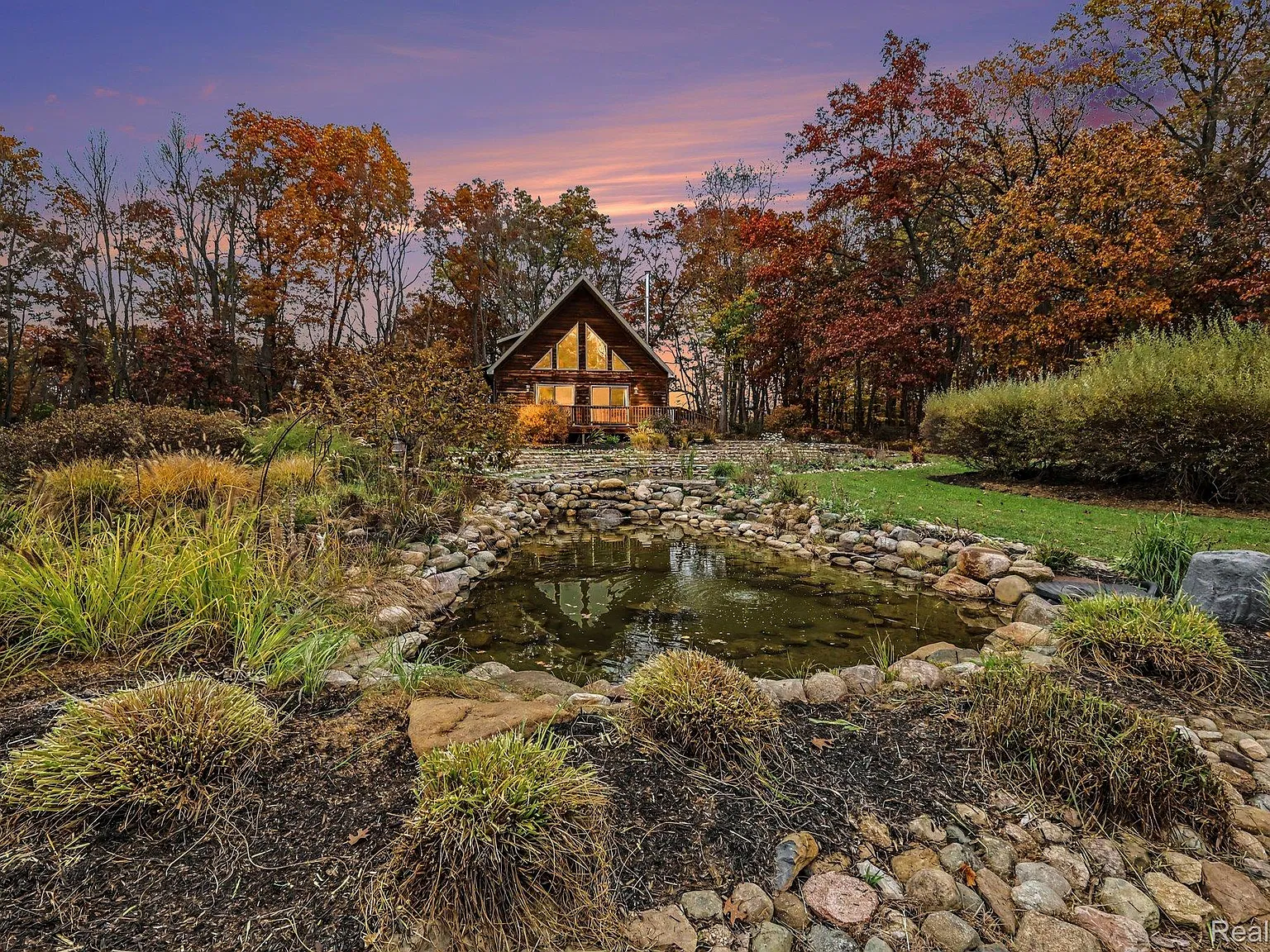
Wooded 16.94-Acre Cape Cod with Private Pond, Wraparound Deck and 24×40 Pole Barn in Onondaga, Michigan — $474,000
0 (0) ♡ 1 / 52 View all 52 photos × 1 / 52 ‹ › Property Overview A wooded…

13.17 Wooded Acres with Pond, Cedar Great Room and 2,000 Sq Ft Second Building in Pocono Lake, PA — $450,000
0 (0) ♡ 1 / 45 View all 45 photos × 1 / 45 ‹ › Property Overview Set across…

Lakefront 10.87-Acre Property with Cleared Grounds, Fenced Acreage, Manufactured Home and Sheds in Keystone Heights, Florida — $175,000
0 (0) ♡ 1 / 8 View all 8 photos × 1 / 8 ‹ › Property Overview An expansive…