Why You Should Visit a Property More Than Once
At a glance
- A first viewing is often about your overall impression; later visits give you time to inspect the details.
- Different times of day can reveal changes in natural light, traffic, noise and parking.
- A second visit gives you a chance to revisit anything that worried you the first time.
- You can take measurements and think more carefully about furniture and everyday routines.
- Questions often appear after you’ve had a night or two to think about the property.
- Returning can help you see beyond decoration and focus on how the home actually works.
- A viewing is not a substitute for an appropriate professional survey or inspection.
The first viewing is rarely the whole story
Let’s be honest: the first viewing can be a bit of a blur.
You walk through the front door, look at the kitchen, peek into the bedrooms, notice the garden, listen to what the agent is saying, and try to imagine yourself living there.
Then you leave and suddenly remember the one question you forgot to ask.
That’s normal.
When you’re seeing a property for the first time, your attention is usually split between taking everything in and deciding how you feel about the place. You may notice the big things, but smaller details can easily slip past you.
That’s where another visit can help.
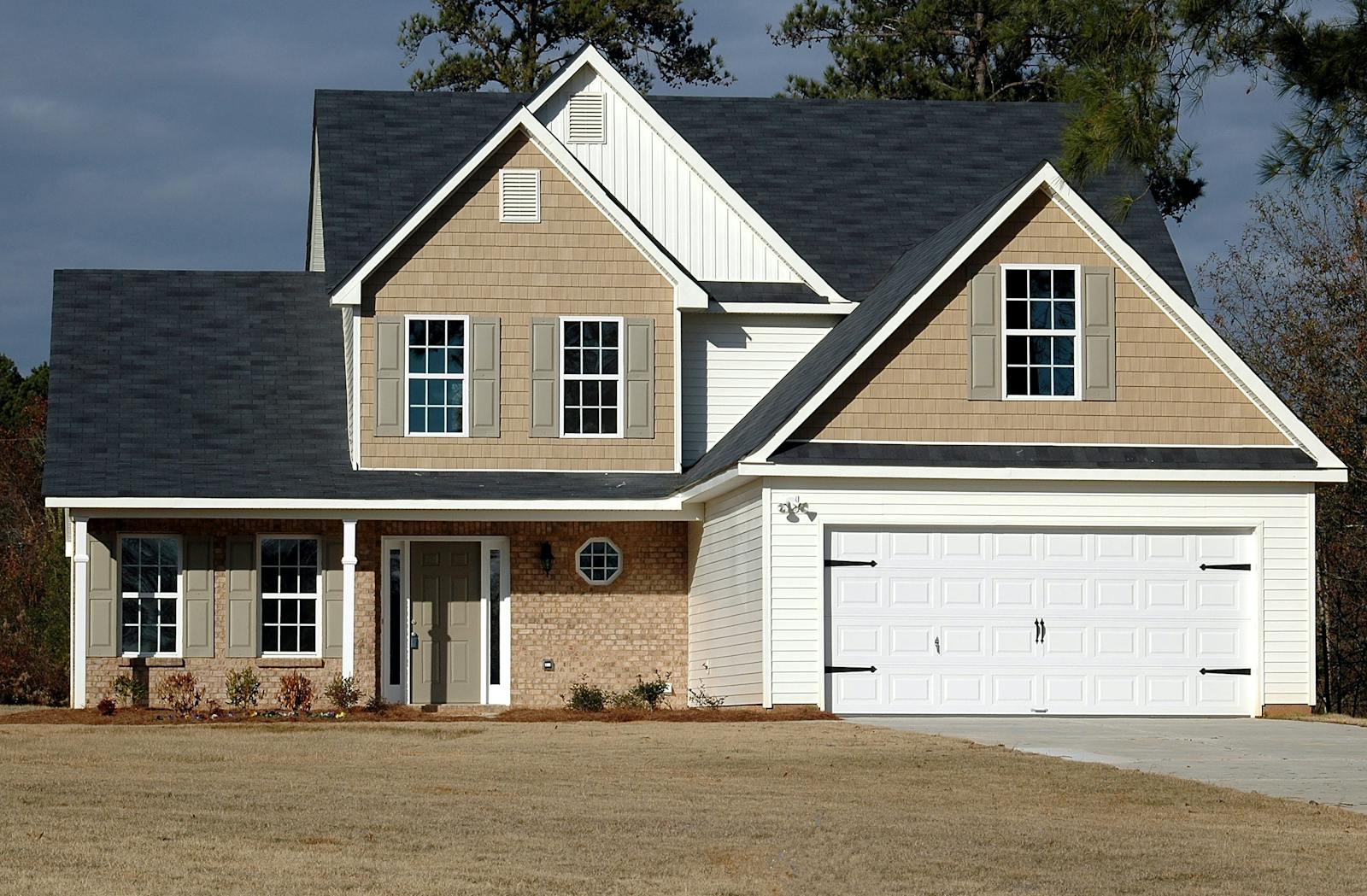
A second viewing gives you a different mindset
There is a subtle difference between walking into a property because you’re curious and walking back into it because you’re seriously considering it.
On the first visit, you might be thinking:
“Do I like this place?”
On the second, you’re more likely to think:
“How would this actually work for me?”
That change is important.
You start noticing where your furniture would go, whether there is enough storage, how the morning routine might work, whether the kitchen is practical and whether that small bedroom really is big enough to be useful.
You’re no longer simply looking at the house. You’re testing the idea of living there.
You may notice things you missed the first time
Even when a property looks straightforward, there can be a lot going on during a viewing.
You might not notice a small crack in the ceiling because you were concentrating on the room layout. You might overlook a lack of storage because the cupboards were neatly organised. You might not realise that the living room is darker than you expected because the viewing happened on a bright morning.
A second visit gives you another chance to look with fresh eyes.
Walls and ceilings
Take another look for staining, cracks, peeling finishes or anything else that you want to ask about.
Windows and doors
Pay attention to their general condition and whether they open, close and lock properly where you’re permitted to check.
Storage
Look inside cupboards and wardrobes where appropriate. Think about where your everyday belongings would actually go.
Practical layout
Walk through the home as if you already live there. Notice awkward corners, narrow passages and places where everyday movement could become annoying.
Different times of day can tell you a lot
This is one of the biggest reasons a second visit can be worthwhile.
A house can feel completely different depending on when you visit.
A quiet street in the middle of the morning might be much busier around the end of the working day. A bright living room at lunchtime may feel very different in the late afternoon. Parking can change. Neighbourhood noise can change. The amount of natural light can change.
You don’t need to turn this into a science experiment. Just try to visit at a noticeably different time if the agent or seller is able to accommodate it.
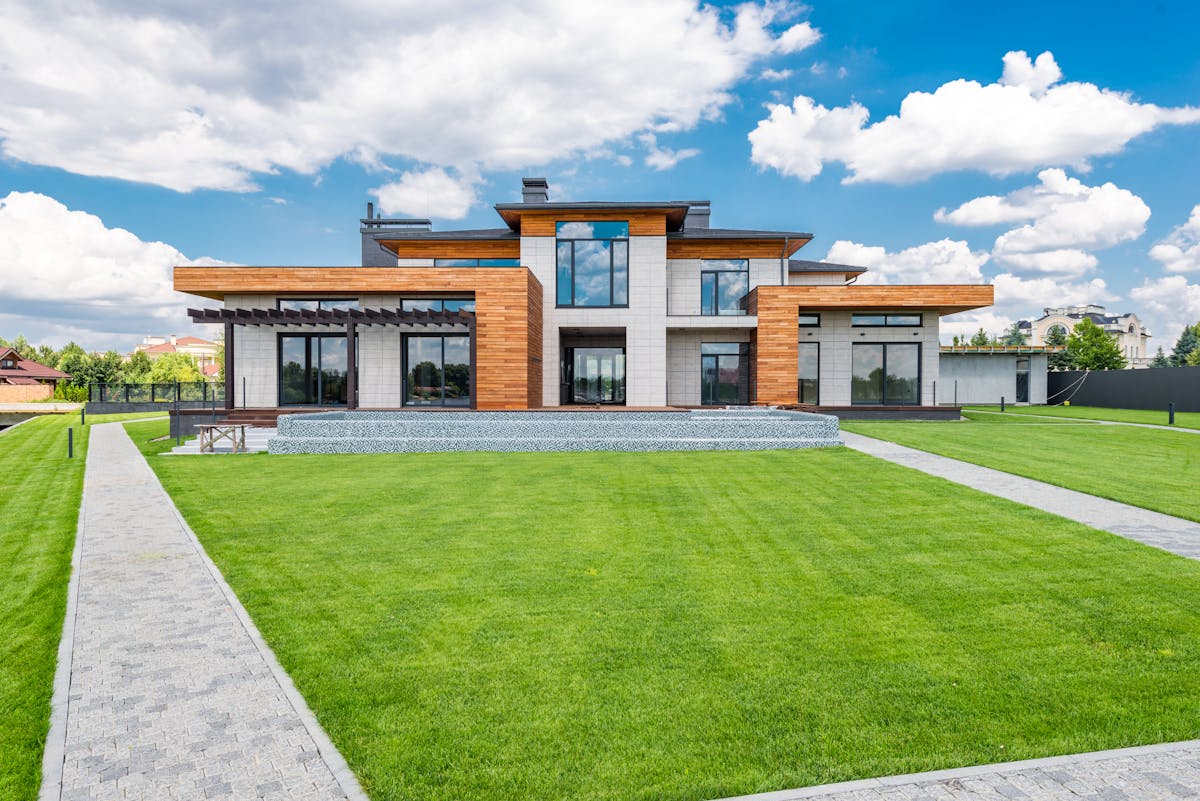
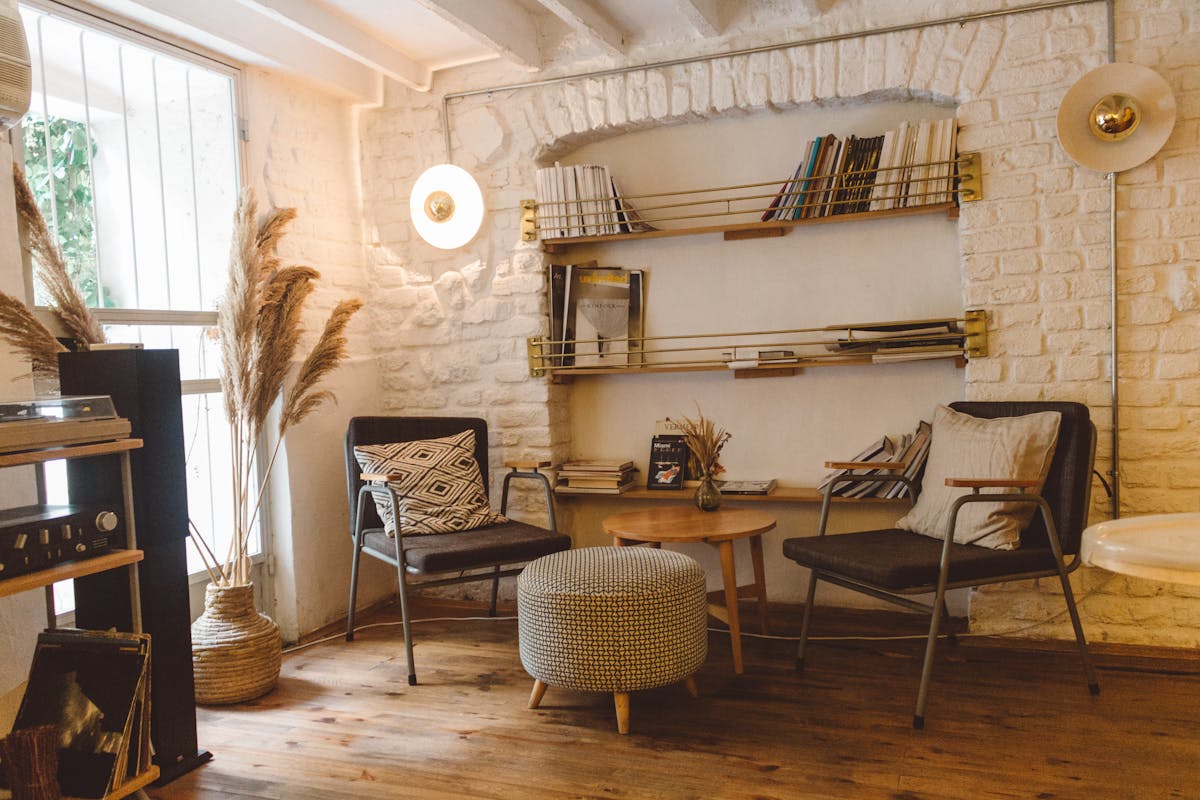
Pay attention to light
Natural light is one of those things that can be difficult to judge from a property listing.
During another visit, notice which rooms receive the most light and how that changes as the day moves on.
If a room is important to you, such as a living room, kitchen or home office, think about when you would normally use it.
If you work from home during the day, afternoon light might matter more to you than the light at breakfast. If you love having a bright kitchen in the morning, the opposite might be true.
There isn’t a universally “right” amount of light. It depends on how you use the home.
Listen to the property
This sounds strange, but sometimes you learn more by standing still for a minute than by walking around.
Stop talking and listen.
Can you hear traffic? Neighbours? A nearby railway? Children playing? Dogs? Building work? Air conditioning or heating systems?
You may hear nothing unusual at all, which is useful information too.
One viewing cannot tell you what the property sounds like at every hour of the day, but a second visit can give you another snapshot.
See what the street is really like
The house might be lovely, but you are also choosing a location.
During a second visit, spend a little time outside. Walk along the street if you can. Look at parking, traffic, nearby homes, footpaths and the general atmosphere.
Think about the times you would normally be coming and going.
- What is traffic like around the property?
- Is parking easy or does it look difficult at busy times?
- Is the street quiet or active?
- How private is the garden or outdoor space?
- Are there shops or services you would use regularly nearby?
- How would the journey to work, school or public transport feel?
- Does the area still feel comfortable when you are not viewing it through the agent’s eyes?
Your questions will probably be better the second time
This is another big advantage of returning.
After the first viewing, your brain keeps working in the background. You might be eating dinner later that evening and suddenly realise, “Wait, where was the boiler?”
Or you may start thinking about whether your dining table would actually fit.
Those are exactly the questions you want to take back with you.
Keep a note on your phone and add questions as they occur to you.
| What you noticed | What to ask or check next |
|---|---|
| The second bedroom felt small | Measure it and think about the furniture you need to fit. |
| You noticed a mark near a window | Ask what caused it and whether any repair has been carried out. |
| You weren’t sure about parking | Ask how parking works and revisit the street at a busier time. |
| The garden looked shaded | Ask which direction it faces and revisit at another time of day. |
| You liked the kitchen but weren’t sure about storage | Look inside cupboards and consider where your everyday items would go. |
Take measurements that actually matter
You don’t need to measure every wall from floor to ceiling.
Focus on the things that could genuinely affect your decision.
Will your sofa fit? Is there enough space for your dining table? Can your bed fit comfortably in the bedroom? Is there somewhere for a desk? Will your washing machine fit where you expect it to go?
Also pay attention to doors, radiators, windows and other things that take up space.
A room can look generous when it’s empty but feel much tighter once furniture is inside.
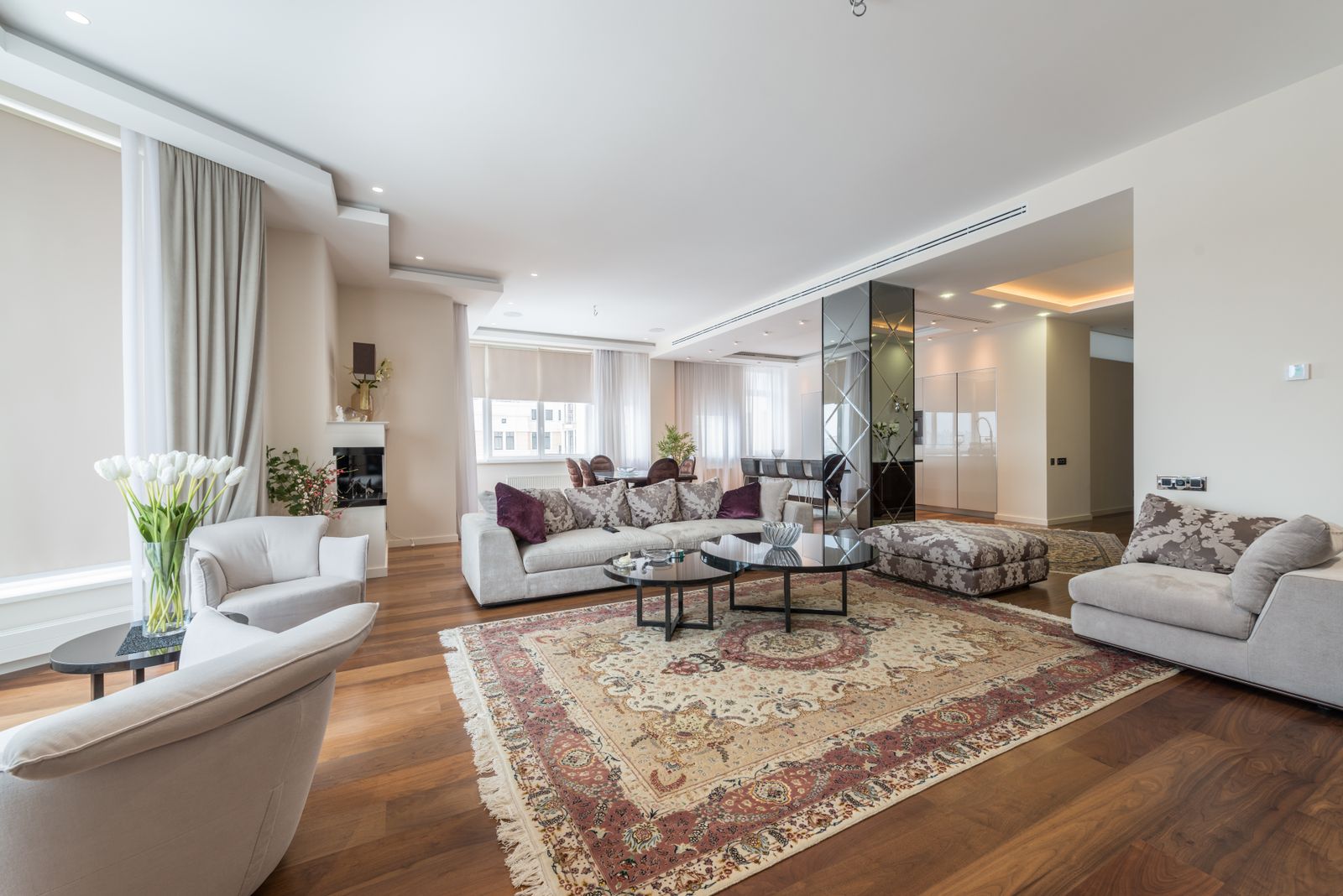
Try walking through an ordinary day
This is one of my favourite ways to use a second viewing.
Instead of just wandering from room to room, imagine a normal day.
You wake up. Where do you go first? Is the bathroom convenient? Where do you get dressed? Where do coats and shoes go? Is the kitchen easy to move around? Where would you have breakfast? Where would you work? Where would you relax in the evening?
Then imagine a less pleasant day.
What happens when everyone is home? Where does the washing go? What happens when friends visit? Where do bicycles, bins, cleaning supplies or bulky items live?
These aren’t glamorous questions, but they’re the things that make a home feel easy or frustrating over time.
Look at the storage properly
Storage is easy to underestimate during a first viewing because everything may be beautifully tidy.
On a second visit, look more closely.
Where would coats go? Where would vacuum cleaners, suitcases and cleaning supplies live? Is there enough kitchen storage? Are the bedroom wardrobes actually useful?
If you have hobbies or equipment that take up space, think about those too.
A home doesn’t need enormous storage. It just needs enough of the right kind for your life.
Take another look at the kitchen
By the second viewing, you may already know whether you like the appearance of the kitchen. Now think about whether you could actually live with it.
Workspace
Is there enough counter space for the way you cook?
Storage
Are cupboards easy to access and large enough for everyday items?
Appliances
Which appliances are included, and where would your own appliances go?
Movement
Can two people comfortably use the kitchen at the same time?
Check the bathroom with fresh eyes
Bathrooms are another area worth revisiting.
Look at ventilation, storage, general condition and how the space is laid out.
If you are permitted to test fittings, you can check practical things such as taps and water flow. If something concerns you, ask about it rather than trying to diagnose the problem yourself.
A second viewing is also a good time to notice whether the bathroom is conveniently located for everyone who would be living in the property.
Look at the things you didn’t photograph the first time
On the first visit, it’s easy to photograph the nice kitchen or living room.
On the second visit, think about the boring things.
Storage cupboards. Utility areas. The entrance. The place where bins go. The boiler. The fuse box. The garden shed. The awkward space under the stairs.
Those little areas can tell you a lot about how practical the home will be.
Notice what hasn’t changed
A second viewing is also useful because you can compare your first impression with your second one.
Did the house still feel comfortable?
Did you still love the layout?
Did the small concerns you had disappear, or do they bother you even more now?
Sometimes the second visit makes you love a property more. Sometimes it does the opposite.
Both outcomes are useful.
Don’t be afraid to change your mind
This is probably the most important part.
You are allowed to like a property during the first viewing and decide you don’t want it after the second.
That doesn’t mean you wasted your time. It means the second visit did exactly what it was supposed to do: it gave you more information.
Maybe the rooms felt smaller than you remembered. Maybe the road was noisier in the afternoon. Maybe you realised the garden would require more work than you wanted.
Better to discover that before committing than afterwards.
A second viewing is not a professional survey
It’s worth keeping this distinction clear.
A second viewing can help you spot things that deserve attention, but it doesn’t turn you into a surveyor.
If you decide to proceed with a purchase, an appropriate independent professional survey or inspection can provide a much more detailed assessment of the property’s condition.
Think of your viewing as a way to understand the home and identify questions. Think of professional inspection as a separate step for assessing matters that require specialist knowledge.
What to take with you the second time
Your second visit can be much more focused than your first.
- Your notes from the first viewing
- A short list of unanswered questions
- Your phone for notes and permitted photographs
- A tape measure if dimensions matter
- A list of important furniture measurements
- Someone you trust, if you want another perspective
- Enough time to look around without feeling rushed
A simple second-viewing checklist
If you want to keep things really easy, use this as your second-visit routine.
| Area | What to revisit |
|---|---|
| Outside | General condition, garden, boundaries, parking and surrounding street. |
| Living areas | Light, noise, layout, furniture space and practical movement. |
| Bedrooms | Room sizes, storage, privacy and furniture placement. |
| Kitchen | Storage, workspace, appliances, plumbing and everyday usability. |
| Bathroom | Ventilation, fittings, storage, condition and layout. |
| Practical details | Heating, visible controls, sockets, windows, doors and other features you need to understand. |
| Neighbourhood | Traffic, parking, noise, local amenities and how the area feels at a different time. |
When a third visit can make sense
You don’t necessarily need to visit every property three times.
But if you’re seriously considering a home and still have important questions, another visit can make sense.
Perhaps you’ve received new information since the second viewing. Maybe you want to check a particular measurement. Perhaps another family member needs to see the property. Or you simply want to revisit the home after having time to think.
There’s no prize for making a decision after the fewest possible viewings.
Use each visit for a different purpose
The easiest way to avoid repeating the same viewing three times is to give each visit a job.
First visit: Get a feel
Does the property suit your lifestyle? Do you like the location, layout and general atmosphere?
Second visit: Check the details
Look more carefully at condition, measurements, storage, noise, light and the questions that came up afterwards.
Third visit: Confirm
If needed, use another visit to resolve remaining questions, revisit specific concerns or make sure the property still feels right.
Afterwards: Investigate
If you decide to proceed, move into the appropriate professional and legal checks for your purchase.
Don’t let the seller’s schedule rush you
There may be pressure to make a decision quickly, particularly if the property is attracting interest.
But if you are able to arrange another viewing, use the time well.
You don’t need to apologise for wanting to look around carefully. You are considering a major purchase, and it is reasonable to want to understand the property before moving forward.
Of course, every property market works differently and sometimes you may have less time than you’d like. If that happens, make the most of the visit you can get and make sure appropriate professional checks are still considered before committing.
Frequently Asked Questions
Is it really worth viewing a house more than once?
Yes, if you are seriously considering it, another visit can help you notice details you missed and experience the property at a different time. It also gives you a chance to revisit questions that came to mind after the first viewing.
How many times should I view a property?
There is no fixed number that works for everyone. Two visits can be useful for many buyers, while a third may make sense if important questions remain or you need to check specific details.
Should I view the property at a different time of day?
If possible, yes. A different time can give you another look at natural light, traffic, parking and noise. It can also help you understand how the home fits into your normal daily routine.
What should I check on a second viewing?
Focus on anything you missed or weren’t sure about the first time. Check measurements, storage, practical layout, visible condition, light, noise, parking, outdoor space and any questions that came up afterwards.
Should I take a tape measure to the second viewing?
It can be very useful if furniture or room dimensions are important to you. Focus on the measurements that could actually affect your decision rather than measuring every wall.
Can a second viewing replace a property survey?
No. A viewing helps you understand the property and identify things that need further investigation. An appropriate independent survey or inspection is a separate professional step.
What if I like the property less on the second viewing?
That’s useful information. A second viewing is there to help you make a more informed decision, and discovering that a property doesn’t work for you is much better before you commit than afterwards.
Sometimes the second look is the one that matters
The first viewing is about discovering the home. The second is about getting to know it.
By then, you have had time to think. You know what you liked, what bothered you and what questions you forgot to ask. You can walk through the rooms more calmly, look at the practical details, check measurements and see how the property feels at another time.
And that’s really the point. You don’t need to fall in love with a house after twenty minutes. Give yourself the chance to see it properly.
If you still like it after you’ve looked a little harder, that’s useful information. And if you don’t, that’s useful too.