Why Is Homeowners Insurance So Expensive in Florida?
The short answer
- Hurricane exposure: Florida faces a substantial risk of hurricanes, storm surge, and damaging winds, creating potentially enormous insurance losses.
- Reinsurance costs: Insurance companies purchase their own insurance to protect against catastrophic claims, and those costs can be passed on to policyholders.
- Construction costs: Rebuilding homes after major damage can be expensive because of labor, materials, contractor availability, and building requirements.
- Roof age and condition: Older or poorly maintained roofs can increase underwriting concerns and affect eligibility or pricing.
- Coastal location: Homes exposed to storm surge, wind, and flooding may face greater insurance costs than comparable inland properties.
- Insurance market conditions: Litigation history, insurer financial exposure, and limited competition in some areas have contributed to market difficulties.
- Possible savings: Wind mitigation improvements, a suitable deductible, shopping around, and reviewing coverage can help some homeowners reduce costs.
Why does Florida have some of the most expensive homeowners insurance?
Florida’s insurance market is different from that of many other states because it combines a large concentration of residential properties with significant hurricane exposure.
When a hurricane makes landfall, it can damage thousands of homes across a relatively large area. Insurance companies may suddenly face claims involving roofs, windows, structural damage, water intrusion, and complete property losses.
Unlike a localized house fire, which usually affects one property, a major hurricane can generate enormous claims across an insurer’s entire Florida portfolio at the same time.
Insurance companies must therefore prepare financially for events that may not happen every year but could generate billions of dollars in losses when they occur.

The result is that homeowners are paying for more than the possibility of an ordinary repair. Their premiums also help fund the financial protection insurers need to survive a catastrophic storm.
A September 2026 study published by the Brookings Institution examined almost two decades of Florida insurance data. It found that modeled expected hurricane losses for a representative Florida home increased by approximately 50% between 2006 and 2023, while hurricane insurance premiums increased by more than 200% over the same period.
The research also highlighted the role of reinsurance and the financial costs of managing catastrophic risk. In other words, the increase cannot be explained by hurricane damage estimates alone.
Read the research: Brookings Institution – Pricing Climate Risk: Hurricane Models and Home Insurance.
1. Hurricanes are one of the biggest reasons insurance costs so much
Florida’s geographical position makes it particularly exposed to tropical storms and hurricanes developing in the Atlantic Ocean, Caribbean Sea, and Gulf of Mexico.
Even homeowners who have never experienced direct hurricane damage are affected by the broader financial risk associated with living in the state.
Insurance companies consider the probability and potential severity of future storms when deciding how much to charge for coverage.
Hurricane-force winds
Strong winds can damage roofing materials, tear off shingles, break windows, damage exterior walls, and compromise structural components.
Storm surge
Hurricanes can push ocean water inland, potentially damaging homes, electrical systems, foundations, and entire coastal neighborhoods.
Heavy rainfall
Intense rainfall can overwhelm drainage systems, damage roofs, and contribute to water intrusion and other property losses.
Flying debris
Branches, outdoor furniture, construction materials, and other objects can become dangerous projectiles during severe storms.
The financial problem is that one hurricane can create claims across thousands of insured properties simultaneously.
Insurers must account for the possibility of paying out enormous amounts of money within a relatively short period. That exposure influences how much capital they need, what coverage they offer, and how much they charge.
2. Reinsurance makes Florida insurance more expensive
This is one of the most important parts of understanding Florida’s insurance prices, and it is something many homeowners never hear about.
Insurance companies don’t simply collect premiums and keep all the money. They also purchase insurance for themselves. This is known as reinsurance.
Think of it as a financial safety net for insurance companies. If a major hurricane generates more claims than an insurer can comfortably absorb, reinsurance can help cover a portion of those losses, depending on the agreement.
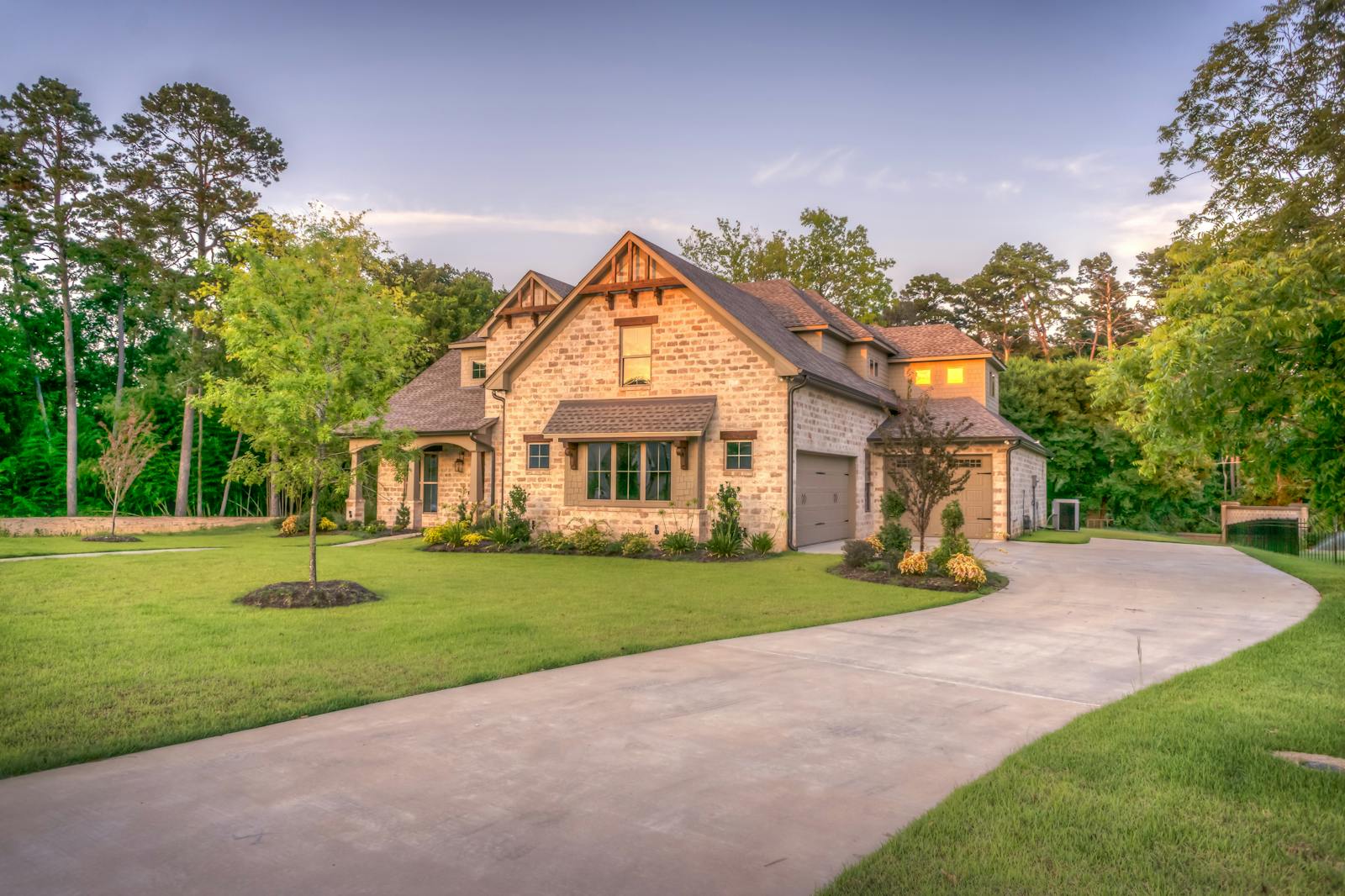
Why does reinsurance cost so much in Florida?
Reinsurers are exposed to the possibility of major catastrophic losses. When they cover insurance companies operating in hurricane-prone regions, they need to charge enough to compensate for the risk and the capital they must keep available.
After major hurricane-loss periods, reinsurance can become more expensive or harder to obtain on favorable terms.
Florida insurers that rely heavily on this protection must account for those expenses when setting their own rates.
Consider this simplified example:
How reinsurance affects a homeowner
Imagine an insurance company that protects 50,000 Florida homes. A major hurricane could damage thousands of those properties in a single event.
To manage that exposure, the insurer purchases reinsurance from another company. The reinsurance agreement has a cost, just like the insurance policy you purchase for your home.
If the cost of obtaining that protection increases, the insurer may need to adjust its premiums, subject to regulatory requirements and approved rate filings.
This doesn’t mean reinsurance is the only reason Florida insurance is expensive. It is one part of a much larger financial system involving catastrophe modeling, capital requirements, claims, and the availability of insurance companies willing to take on the risk.
3. Your roof can have a major impact on your insurance premium
For many Florida homeowners, the roof is one of the most important factors affecting insurance eligibility and pricing.
Roofs are especially vulnerable during hurricanes. High winds can lift shingles, damage roof coverings, expose underlying materials, and allow rainwater to enter the property.
Insurance companies therefore pay close attention to roof age, material, installation, condition, and the property’s overall wind resistance.

What roof characteristics can affect insurance?
Roof age
An older roof may be more vulnerable to weather damage and may require closer inspection or additional underwriting documentation.
Roofing material
Insurers may consider whether the roof uses shingles, metal, tile, or another material and whether it meets applicable building requirements.
Installation quality
Proper installation, secure connections, and appropriate construction details can influence the roof’s ability to withstand severe weather.
Visible damage
Missing shingles, leaks, deteriorated materials, and previous unrepaired damage can create underwriting concerns.
Some insurers may have roof-age requirements or request documentation before offering or renewing a policy. However, there is no single universal roof-age rule that applies to every Florida insurer and every roof type.
Florida law also limits certain underwriting practices involving older roofs when specific statutory conditions are met. For example, the law includes protections relating to qualifying roofs under 15 years old and inspections for older roofs. The precise requirements and exceptions matter.
Before assuming you need a complete replacement to obtain insurance, speak with your insurer and review the applicable rules.
4. Florida’s rising rebuilding costs also affect insurance
Homeowners insurance is generally designed to help pay for covered damage to a property, subject to the policy’s limits, exclusions, and deductible.
But the cost of rebuilding a house can be very different from its market value.
A property may have a relatively modest resale price because of its location or land value, yet replacing its structure could still be expensive.
Insurance companies therefore consider the estimated cost to rebuild the dwelling rather than simply using the price you paid for it.
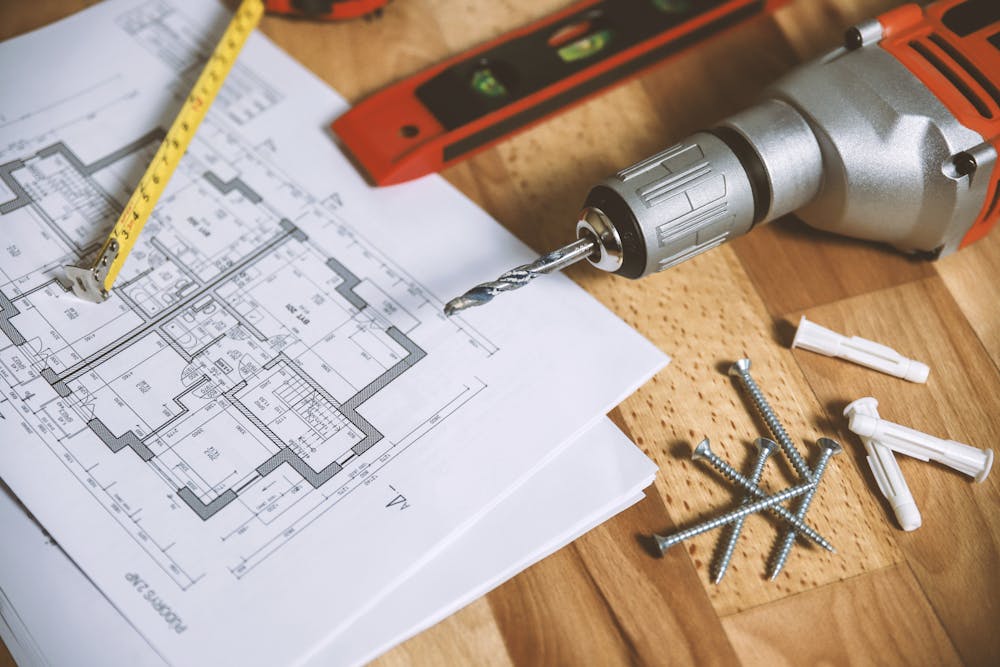

What makes rebuilding expensive?
- Higher prices for construction materials and building supplies.
- Labor costs for qualified contractors and specialized trades.
- Limited contractor availability after a major hurricane.
- Building-code requirements that may apply to reconstruction.
- Permits, inspections, debris removal, and project management.
- Additional expenses when several homes need repairs at the same time.
For example, replacing a roof after a major storm may involve more than installing new shingles. Contractors may need to repair damaged decking, address water intrusion, replace other components, and meet applicable code requirements.
When rebuilding costs increase, insurers may need to offer higher dwelling coverage limits to ensure that the policy provides adequate protection. Higher insured values can contribute to higher premiums.
5. Coastal properties can be significantly more expensive to insure
Florida has thousands of miles of coastline, with many residential communities located near the Atlantic Ocean, Gulf of Mexico, bays, and other waterways.
Living near the water can be attractive, but coastal properties may face additional insurance risks.

Why location matters
Storm surge exposure
Properties in vulnerable coastal areas may face a greater possibility of storm-surge damage during hurricanes.
Wind exposure
Homes close to open water may have different wind exposure characteristics depending on their location and surrounding structures.
Flood risk
Low elevation, drainage conditions, nearby waterways, and flood-zone designations can influence a property’s overall risk.
Limited insurance options
Some insurers may be more selective about coastal properties, which can reduce the number of available quotes for certain homes.
This is why two houses with similar square footage can have very different insurance prices. A home located several miles inland may have a different risk profile from a property directly exposed to coastal weather.
When buying a Florida home, don’t evaluate insurance costs based only on the city or ZIP code. The exact location and construction characteristics matter.
6. Insurance litigation and claims costs have affected Florida’s market
Another factor behind Florida’s historically difficult property insurance market has been litigation involving insurance claims.
For years, Florida experienced significant problems involving disputed property claims, lawsuits, and certain claim-related practices. These issues created additional expenses for insurers and contributed to concerns about the financial stability of the market.
Some claims disputes involved disagreements over the amount of damage, the scope of repairs, or how an insurance policy should respond.
Insurance litigation can involve legal fees, claim investigation expenses, and other costs that may influence an insurer’s overall financial performance.
Florida lawmakers passed several insurance reforms in recent years, including legislation in 2022 and 2023 aimed at changing aspects of property insurance litigation and claim practices.
The Florida Office of Insurance Regulation continues to monitor litigation activity, insurer stability, premiums, and reinsurance availability through its Property Insurance Stability Reports.
See the Florida Office of Insurance Regulation for official market reports and regulatory information.
7. Why are insurance prices different across Florida?
One of the most confusing things about Florida homeowners insurance is that prices can vary considerably between counties, cities, and even individual properties.
There is no single statewide premium that accurately represents what every Florida homeowner pays.
An inland property with a newer roof and modern hurricane protection may receive a very different quote from an older waterfront property with a more complicated insurance history.
Factors that influence your location-based insurance price
| Factor | Why insurers consider it |
|---|---|
| County and ZIP code | Different areas have different storm exposure, claims experience, and insurance market conditions. |
| Distance from the coast | Coastal exposure can affect wind and storm-surge risk. |
| Flood exposure | Flood risk and elevation may affect insurance requirements and the availability of separate flood coverage. |
| Home construction | Construction materials and structural features can influence resistance to fire and wind damage. |
| Roof condition | Roof material, age, and wind resistance can affect underwriting and pricing. |
| Dwelling coverage | A higher insured replacement-cost amount can increase the premium. |
| Previous claims | Insurers may consider the property’s claims history and other underwriting information. |
| Wind mitigation features | Qualifying protective features may help homeowners receive insurance discounts. |
The Florida Department of Financial Services explains that property insurance rates can reflect location, dwelling coverage, construction type, fire protection, and hurricane mitigation features.
Read its official Homeowners Insurance Overview for more information.
8. Does Florida homeowners insurance cover flooding?
This is one of the most important questions Florida homeowners should understand before purchasing a policy.
Standard homeowners insurance generally does not cover flood damage caused by rising water.
That means a homeowner could have an active homeowners insurance policy and still lack coverage for certain types of water damage associated with flooding.
Flood insurance is generally purchased separately, either through the National Flood Insurance Program (NFIP) or a private insurer.

What is the difference between wind damage and flood damage?
Wind damage
Damage caused by hurricane-force winds, such as a damaged roof, broken windows, or wind-driven debris, may be covered under the homeowners policy, subject to its terms and exclusions.
Flood damage
Damage caused by rising water, storm surge, overflowing waterways, or surface-water accumulation is generally excluded from standard homeowners policies and may require separate flood insurance.
It is important to understand that water damage is not always treated the same way by insurance companies. For example, a roof leak caused by covered wind damage may be handled differently from floodwater entering through doors or windows.
The precise cause of the damage and the wording of the policy matter.
You can learn more through the National Flood Insurance Program’s FloodSmart website.
9. What is Citizens Property Insurance and why do Florida homeowners use it?
When homeowners struggle to find coverage through private insurance companies, they may encounter Citizens Property Insurance Corporation.
Citizens is a state-created property insurer designed to provide coverage to eligible Florida property owners who cannot obtain suitable coverage in the private market under the applicable eligibility rules.
It is often described as Florida’s insurer of last resort.
Citizens exists because private insurers may be unwilling to accept certain properties or risks at prices homeowners can reasonably afford.

What should homeowners know about Citizens?
Eligibility requirements
Citizens coverage is subject to statutory eligibility rules. It is not simply an unrestricted alternative available to every homeowner.
Coverage limitations
Policies have specific coverage limits, exclusions, deductibles, and underwriting requirements that should be reviewed carefully.
Depopulation programs
Citizens may offer eligible policyholders opportunities to move to private insurers when an appropriate private-market offer is available under program rules.
Assessment considerations
Citizens policies involve statutory assessment mechanisms that can affect policyholders and other Florida insurance customers under certain circumstances.
Citizens should not automatically be considered the cheapest or best insurance option. Compare its coverage and total costs with available private policies before making a decision.
For current eligibility rules, policy information, and official updates, visit Citizens Property Insurance Corporation.
10. Can you actually lower your Florida homeowners insurance premium?
Yes, there are several ways homeowners may be able to reduce their insurance costs.
However, not every discount applies to every property, and some improvements require an initial investment. The best approach is to identify which changes your insurer recognizes and calculate whether the potential savings justify the expense.
Install hurricane protection

Qualifying hurricane protection can help reduce the risk of wind damage.
Depending on the property and insurer, recognized features may include:
- Approved hurricane shutters.
- Impact-resistant windows and doors.
- Qualifying roof-to-wall connections.
- Improved roof decking attachment.
- Qualifying roof coverings and secondary water resistance.
- Other approved wind-resistance improvements.
Florida law requires residential property insurers to include actuarially reasonable wind-mitigation discounts or credits for qualifying protective features.
Read the relevant provision of the 2026 Florida Statutes, Section 627.0629.
Get a wind mitigation inspection
A wind mitigation inspection evaluates certain construction features that may reduce your home’s vulnerability to hurricane damage.
The inspection generally documents items such as roof coverings, roof geometry, roof-to-wall connections, roof decking attachment, and opening protection.
The inspector completes the applicable Florida mitigation verification form, which you can submit to your insurance company.
Your insurer determines which credits apply based on the documentation and its approved rating rules.
Maintain your roof and keep documentation
Keep records of roof installation, repairs, permits, contractor invoices, and inspections.
If your roof has been replaced or improved, provide the documentation to your insurer. This may help demonstrate the property’s condition and eligibility for certain underwriting considerations or credits.
Compare multiple insurance companies
One of the most effective steps is to compare quotes from several insurers.
Different companies may have different underwriting rules, pricing models, coverage options, and discounts. A company that is expensive for one property may offer a more competitive quote for another.
Review your hurricane deductible
Florida homeowners policies may include a separate hurricane deductible, which is different from the standard all-other-perils deductible.
Some policies use a percentage-based hurricane deductible calculated against the insured dwelling amount rather than a fixed dollar figure.
A higher deductible may reduce your premium, but it also means you will need to pay more out of pocket when a qualifying hurricane claim occurs.
11. How much could a wind mitigation improvement save?
Wind mitigation discounts can make a meaningful difference for some Florida homeowners, but savings depend on the property and the insurer’s approved rating methodology.
There is no guaranteed discount percentage that applies to every house.
To understand the potential financial impact, consider this hypothetical example:
Illustrative insurance savings example
| Item | Example amount |
|---|---|
| Annual homeowners insurance premium | $5,000 |
| Illustrative eligible premium reduction | 10% |
| Annual savings | $500 |
| New illustrative annual premium | $4,500 |
This is a mathematical illustration, not an estimate of the discount available to a specific Florida property. Actual credits may be calculated differently and can vary significantly by insurer and mitigation feature.
Before spending money on shutters, windows, roof improvements, or other upgrades, ask your insurance agent which features qualify and request an estimate of the potential premium reduction.
12. What should you check before buying a house in Florida?
Insurance should be part of your home-buying research before you make an offer, not something you investigate for the first time after your purchase agreement has been signed.
A house that appears affordable based on its purchase price and mortgage payment may become much more expensive once you account for insurance, flood coverage, and potential maintenance needs.


Florida home-buying insurance checklist
- Request homeowners insurance quotes before closing.
- Find out the age and condition of the roof.
- Ask whether the home has a recent wind mitigation inspection.
- Check whether the property is in a FEMA flood zone.
- Investigate whether separate flood insurance is needed or advisable.
- Ask about hurricane deductibles and standard deductibles.
- Confirm whether the property qualifies for the coverage you need.
- Review previous insurance claims where information is available.
- Check the electrical system, plumbing, and other major components.
- Compare multiple insurers and coverage options.
- Include insurance in your full monthly housing budget.
For flood-zone information, use the official FEMA Flood Map Service Center.
Remember that a FEMA flood-zone designation is not a complete measure of every property’s flood risk. Homes outside high-risk zones can still experience flooding.
13. Is Florida’s homeowners insurance market getting better?
There have been signs of improvement in Florida’s property insurance market, although homeowners should not assume that premiums will automatically fall at their next renewal.
Insurance reforms, changes in litigation activity, new insurer participation, and developments in reinsurance markets have all contributed to changing market conditions.
The Florida Office of Insurance Regulation’s July 2026 Property Insurance Stability Report describes continued market stabilization following legislative reforms introduced in previous years.
In September 2026, Florida’s insurance regulator also announced approvals of rate decreases affecting more than 62,000 homeowners policies across four insurers.
These are encouraging developments, but the savings are not universal. Insurance rates remain dependent on the insurer, location, policy type, property characteristics, and individual underwriting decisions.
For homeowners, the most practical approach is to continue comparing policies rather than assuming that the market’s overall direction will determine their individual renewal price.
Official updates are available through the Florida Office of Insurance Regulation.
Common mistakes Florida homeowners should avoid
- Assuming every hurricane-related loss is covered: Wind and flood damage can be treated differently under insurance policies.
- Choosing insurance based only on price: Compare coverage limits, exclusions, deductibles, and insurer requirements.
- Ignoring roof condition: Aging or damaged roofing can create serious insurance eligibility and maintenance issues.
- Skipping a wind mitigation inspection: You could miss documentation of qualifying features and potential premium credits.
- Using the purchase price as dwelling coverage: Rebuilding cost and market value are different measurements.
- Accepting a large deductible without planning: A lower premium may leave you with an unaffordable out-of-pocket obligation.
- Assuming Citizens is always cheaper: Compare all eligible options and their coverage terms.
- Waiting until closing to obtain quotes: Insurance availability and cost should be checked early in the buying process.
- Forgetting separate flood coverage: Standard homeowners policies generally exclude flood damage.
- Ignoring policy exclusions: Read the contract carefully and ask your agent to explain anything unclear.
Frequently Asked Questions
Why is homeowners insurance so expensive in Florida?
Florida homeowners insurance is expensive because of hurricane exposure, catastrophic loss risk, reinsurance costs, rebuilding expenses, coastal exposure, and historical insurance market challenges. Roof condition, property location, construction, and coverage amounts also influence individual premiums.
Is homeowners insurance more expensive near the beach?
It can be. Properties near the coast may have greater exposure to hurricane winds, storm surge, and other weather-related risks. However, the actual premium depends on the home’s construction, elevation, mitigation features, coverage, and insurer.
Does Florida homeowners insurance cover hurricane damage?
Many Florida homeowners policies include windstorm and hurricane coverage, subject to policy terms, exclusions, and deductibles. Flood damage caused by rising water is generally excluded and requires separate flood insurance.
Why does my Florida home insurance keep increasing?
Possible reasons include changes in insurer pricing, reinsurance costs, rebuilding expenses, the property’s replacement-cost estimate, claims history, underwriting changes, and broader catastrophe risk. Ask your insurer for an explanation of the renewal premium and compare other available policies.
Can I get cheaper insurance with a new roof?
A new roof may improve eligibility and could qualify the property for certain discounts, depending on its materials, installation, and the insurer’s underwriting rules. It does not guarantee a specific reduction in premiums.
What is a wind mitigation inspection in Florida?
It is an inspection that documents construction features designed to reduce wind damage. The findings can be submitted to your insurer to determine whether the home qualifies for applicable wind mitigation credits.
Is Citizens Property Insurance cheaper than private insurance?
Not necessarily. Citizens has its own rates, eligibility requirements, coverage provisions, and assessment structure. Compare the total cost and coverage with all available private-market alternatives before making a decision.
Do I need flood insurance in Florida?
Flood insurance is especially important for properties with meaningful flood exposure, and lenders may require it for homes in certain designated flood hazard areas. Even homes outside high-risk zones can flood, so homeowners should evaluate their individual risk.
What is a hurricane deductible?
A hurricane deductible is a separate deductible that applies to qualifying hurricane damage under the policy. It is often expressed as a percentage of the insured dwelling amount. The exact trigger and calculation depend on the policy and applicable Florida law.
Can I change insurance companies in Florida?
Yes, homeowners can generally shop for alternative coverage, subject to underwriting and policy requirements. Before cancelling an existing policy, make sure replacement coverage is approved and effective so you do not create a gap in insurance protection.
Will Florida homeowners insurance prices go down?
Some insurers have filed or received approval for rate decreases, and the state has reported signs of market stabilization. However, future pricing is uncertain and individual homeowners may experience different results depending on their property, insurer, and location.
Can I lower my Florida insurance premium without replacing my roof?
Potentially. Comparing insurers, reviewing coverage limits, documenting existing mitigation features, obtaining a wind mitigation inspection, and evaluating deductible options may help. Whether any of these steps produces savings depends on the individual policy.
Understanding your insurance costs can make a huge difference
Florida offers an attractive lifestyle, but owning a home in the Sunshine State comes with insurance considerations that buyers should never overlook.
Hurricane exposure, reinsurance, construction costs, roof condition, and coastal risk all play a role in determining what homeowners pay. While these factors cannot all be controlled, homeowners can take practical steps to improve their property’s protection and make more informed insurance decisions.
Start by reviewing your current policy, understanding your deductibles, checking your roof and wind mitigation features, and comparing coverage from multiple insurers. If you are purchasing a property, obtain insurance quotes before committing to the transaction.
Your next step: Request a review of your current insurance policy, ask whether your home qualifies for wind mitigation credits, and compare at least a few suitable insurance options before your next renewal.
Sources and further reading
These official and research-based resources provide additional information about Florida property insurance, hurricane mitigation, flood coverage, and the insurance market.
- Florida Department of Financial Services: Homeowners Insurance Overview
- Florida Office of Insurance Regulation: Property Insurance Market Reports
- Citizens Property Insurance Corporation: Official Website
- FEMA: National Flood Insurance Program – FloodSmart
- FEMA: Flood Map Service Center
- Brookings Institution: Pricing Climate Risk and Florida Home Insurance
- Florida Statutes: Residential Property Insurance and Windstorm Mitigation Discounts
Important: Insurance premiums, underwriting requirements, coverage availability, and discounts vary by insurer and property. This article provides general educational information and is not individualized insurance, legal, or financial advice. Review your actual policy and consult a licensed Florida insurance professional about your coverage.
Read more posts
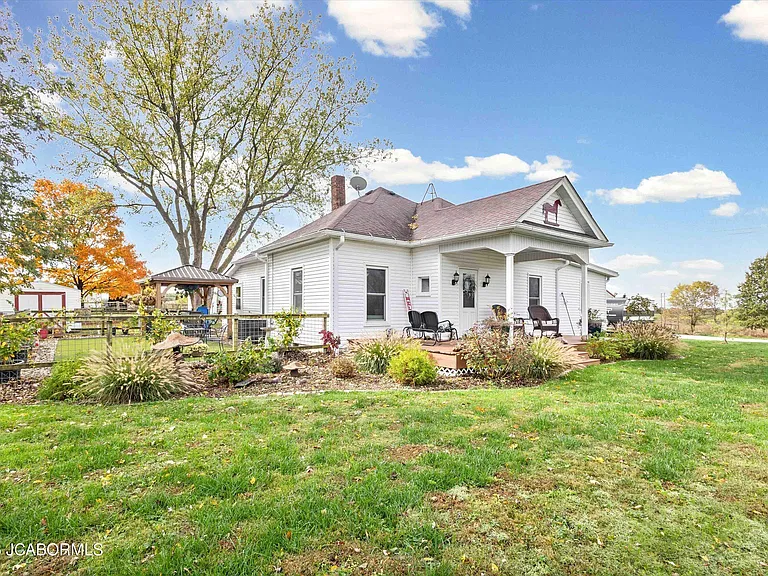
Three-Bedroom Country Home, 10 Acres & Multiple Barns in New Bloomfield, Missouri — $387,500
Callaway County · New Bloomfield, Missouri 65063 Property Overview A country home, 10 acres of land, a pond and an…
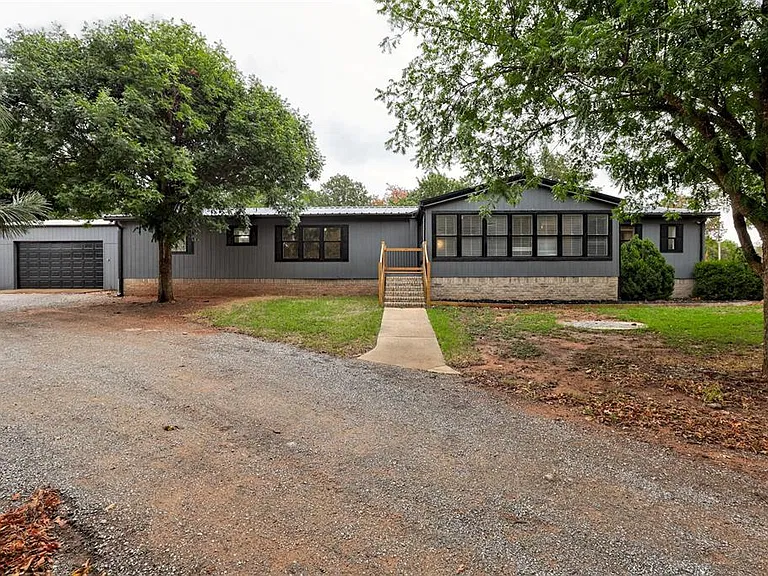
10-Acre Guthrie Property with Horse Stables & Workshop in Guthrie, Oklahoma — $445,000
Logan County · Guthrie · Central Oklahoma Property Overview Ten acres, four bedrooms, four bathrooms and dedicated space for horses,…
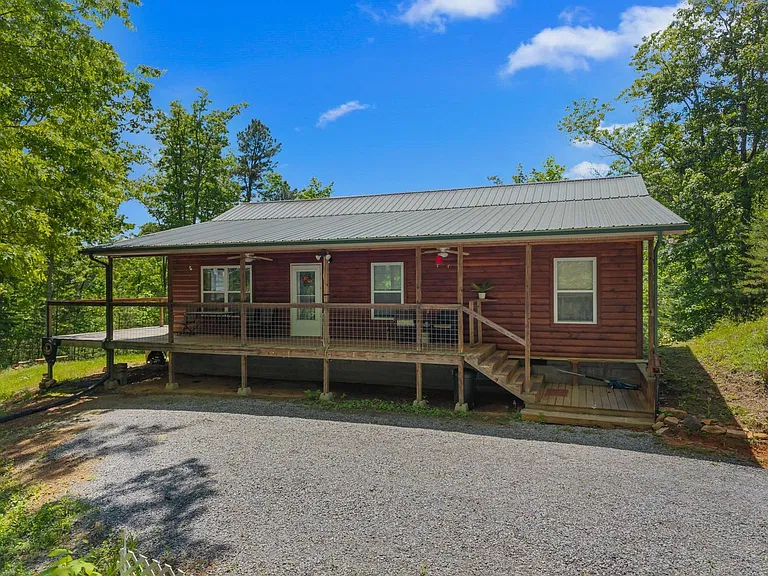
3-Bedroom Wooded Cabin on 18 Acres with Wraparound Porch in Sneedville, Tennessee — $319,900
Hancock County · Sneedville, Tennessee · 37869 Property Overview A wooded East Tennessee retreat with 18 acres, a cabin-style home,…