10 US States With the Highest Property Taxes

10 US States With the Highest Property Taxes
Property taxes can add thousands of dollars to the cost of owning a home. Discover which states have the highest effective tax rates, what homeowners actually pay, and what buyers should consider before purchasing.
Buying a home is about much more than the purchase price and monthly mortgage payment. Property taxes are one of the biggest ongoing expenses homeowners need to budget for, and the amount can vary dramatically depending on where you live.
In some states, homeowners pay less than half a percent of their home’s value in property taxes. In others, the effective rate approaches or exceeds 1.8%. That difference can mean thousands of dollars every year, even when two homes have similar values.
So, where are property taxes the highest in the United States? We ranked the 10 states with the highest effective property tax rates using the latest comparable 2024 data from the Tax Foundation, based on U.S. Census Bureau figures.
This list uses effective property tax rates on owner-occupied housing: total real property taxes paid divided by total home value. It is not a ranking of average tax bills or statutory tax rates. Actual bills depend on the home’s assessed value, local tax rates, exemptions, and other factors.
The 10 States With the Highest Property Taxes
These are the 10 highest-ranking states based on effective property taxes paid as a percentage of owner-occupied home value in 2024.
| Rank | State | Effective Tax Rate |
|---|---|---|
| 1 | New Jersey | 1.88% |
| 2 | Illinois | 1.88% |
| 3 | Connecticut | 1.54% |
| 4 | Vermont | 1.51% |
| 5 | New Hampshire | 1.50% |
| 6 | Nebraska | 1.44% |
| 7 | Texas | 1.40% |
| 8 | Ohio | 1.36% |
| 9 | Iowa | 1.33% |
| 10 | Wisconsin | 1.32% |
1. New Jersey — 1.88%

New Jersey ranks first in the country for effective property taxes, tied with Illinois at 1.88%. For homeowners, that can translate into a substantial annual expense, particularly in communities where home values are already high.
Property taxes help fund important local services, including public schools, municipal operations, emergency services, and county government. New Jersey’s reliance on local property taxes to support these services is a major part of the state’s high tax burden.
The amount a homeowner pays can vary significantly from one municipality to another. Two houses with similar market values may have very different tax bills simply because they are located in different towns.
Always check the property’s actual annual tax bill and the municipality’s tax history. A home with an attractive asking price may have a much higher ongoing ownership cost than expected.
2. Illinois — 1.88%
Illinois shares the highest effective property tax rate in the country with New Jersey. The state’s property tax burden is particularly important for homeowners because local governments and school districts rely heavily on property tax revenue.
School funding is a significant part of many local property tax bills. Other portions can support counties, municipalities, park districts, libraries, and other local services.
Tax rates are not uniform throughout Illinois. The total bill depends on the property’s assessed value, the tax districts serving the address, and any exemptions the homeowner qualifies for.
Do not assume the seller’s tax bill will automatically be your future bill. A sale, reassessment, or change in exemptions can affect what a new owner ultimately pays.
3. Connecticut — 1.54%

Connecticut has the third-highest effective property tax rate in the country. Local property taxes are a major source of funding for municipalities, with public education and local services accounting for important parts of community budgets.
One important detail is that Connecticut property taxes are largely determined at the local level. This means the tax burden can differ considerably between towns, even for homes with comparable values.
Buyers considering a move to Connecticut should compare the tax bills of individual properties rather than relying on a statewide average.
Look beyond the purchase price. A slightly less expensive home in a municipality with higher taxes may end up costing more over the long term.
4. Vermont — 1.51%

Vermont ranks fourth, with an effective property tax rate of 1.51%. The state’s property tax system is closely connected to funding for local services and education.
Vermont uses a statewide education property tax system, with local education spending and other factors influencing the amount property owners owe. The result can be a meaningful annual expense for homeowners.
Property values, local spending decisions, and available tax adjustments can all affect the final bill.
Ask for the latest property tax bill and investigate whether any education-related tax adjustments or homeowner programs may apply to your situation.
5. New Hampshire — 1.50%

New Hampshire has one of the highest property tax burdens in the United States. A major reason is the state’s reliance on local property taxes to fund public services, including schools and municipal government.
New Hampshire does not have a broad-based general sales tax or an individual tax on wage income. Property taxes therefore play an especially important role in financing local budgets.
Rates can vary widely between communities. A buyer looking at homes in different New Hampshire towns should pay close attention to each property’s local tax rate and annual bill.
A lower-priced property does not necessarily mean lower ownership costs. Check the town’s tax rate and the property’s assessed value before making an offer.
6. Nebraska — 1.44%
Nebraska ranks sixth, with an effective property tax rate of 1.44%. Property taxes are an important source of funding for local governments and school districts across the state.
The state’s mix of urban, suburban, and rural communities means tax bills can differ considerably depending on location. Local budgets and the value assigned to a property both matter.
Homeowners should also understand how their property’s assessed value is determined and what options are available if they believe the assessment is inaccurate.
Compare the annual property tax bill with the home’s purchase price and estimated future value. Do not rely on the statewide rate alone.
7. Texas — 1.40%

Texas is often associated with having no individual state income tax, but homeowners should be aware of its relatively high property tax burden. The state’s effective rate of 1.40% places it seventh nationally.
Texas relies heavily on local property taxes to support public schools, counties, cities, and other local services. Since there is no single statewide property tax rate, the amount homeowners pay depends on the taxing entities serving their property.
Rapidly changing home values can also make property tax planning important. Texas homeowners may be eligible for a residence homestead exemption and other applicable exemptions, depending on their circumstances.
Check the property’s current tax bill, applicable exemptions, and local tax rates. Also review how a change in ownership or a new appraisal could affect future costs.
8. Ohio — 1.36%
Ohio ranks eighth among states with the highest effective property tax rates. Local property taxes help pay for schools, county services, and municipal operations.
The tax burden can vary substantially between counties and school districts. That makes the specific location of a home especially important when estimating long-term ownership expenses.
Ohio also has programs and exemptions that may reduce property tax bills for eligible homeowners, including certain older residents and people with qualifying disabilities.
Look up the actual tax history for the address. Two similar homes in neighboring school districts can have noticeably different annual tax bills.
9. Iowa — 1.33%

Iowa has the ninth-highest effective property tax rate, at 1.33%. Local property taxes support services such as public education, county government, and municipal operations.
Iowa’s property tax system includes assessment limitations and credits that can influence what homeowners pay. However, the final amount still depends on the property, local tax levies, and applicable adjustments.
Buyers should look at the property’s actual tax history and understand how local assessments and tax rates may change over time.
Include property taxes in your monthly housing budget. A home that appears affordable based on its mortgage alone may have higher ongoing costs once taxes are included.
10. Wisconsin — 1.32%

Wisconsin rounds out the top 10, with an effective property tax rate of 1.32%. Property taxes are an important funding source for local government and public education throughout the state.
Local tax bills depend on assessed property values and the combined levies of the taxing jurisdictions serving the home. As a result, homeowners in different municipalities can face very different annual costs.
Wisconsin also offers certain property tax credits and relief programs for eligible residents, so it is worth checking what may apply before estimating your total annual expense.
Compare the property tax bill with other recurring ownership expenses, including homeowners insurance, utilities, maintenance, and potential special assessments.
How Much Can Property Taxes Actually Cost?
Percentages are useful for comparing states, but homeowners often want to know what those rates mean in real dollars. The following examples show how the effective rates translate into estimated annual taxes on a home valued at $300,000.
These are illustrative calculations, not quotes or predictions of an individual property’s tax bill.
| State | Effective Rate | Illustrative Annual Tax |
|---|---|---|
| New Jersey | 1.88% | $5,640 |
| Illinois | 1.88% | $5,640 |
| Connecticut | 1.54% | $4,620 |
| Vermont | 1.51% | $4,530 |
| New Hampshire | 1.50% | $4,500 |
| Nebraska | 1.44% | $4,320 |
| Texas | 1.40% | $4,200 |
| Ohio | 1.36% | $4,080 |
| Iowa | 1.33% | $3,990 |
| Wisconsin | 1.32% | $3,960 |
These estimates simply multiply $300,000 by each state’s effective rate. Actual property tax bills are calculated using local assessment and tax rules, and exemptions or other adjustments may reduce the amount owed.
Why Are Property Taxes So High in Some States?

Property taxes are generally determined at the local level, which is why the cost of owning a home can change dramatically between neighboring towns. Several factors help explain why some states have higher effective rates than others.
1. Local school funding
Public education is one of the largest expenses for many local governments. In states where school districts rely heavily on property taxes, homeowners may face higher annual bills to support education services.
2. Local government spending
Property taxes help pay for police and fire departments, roads, public libraries, parks, sanitation, and other local services. Communities with higher spending needs may require more property tax revenue.
3. Limited alternative tax revenue
Some states rely more heavily on property taxes because they collect less revenue from other types of taxes. This can shift more of the responsibility for funding public services onto property owners.
4. Home values and assessment rules
A property’s assessed value is a key part of the tax calculation. When home values rise, assessments may increase too, although local rules, exemptions, and assessment limits can affect how much of that increase reaches the tax bill.
5. Differences between municipalities
Even within the same state, towns and counties can have different tax rates, school budgets, and local service costs. That is why statewide averages should be treated as a starting point rather than a prediction for a specific property.
How Can Homeowners Lower Their Property Tax Bill?
Homeowners cannot always control local tax rates, but there are several steps worth taking to make sure they are not paying more than necessary.
- Check your property assessment: Review the assessed value and property details for errors, such as incorrect square footage, property characteristics, or features.
- Look into a property tax appeal: If you believe the assessment is too high, research your local appeal process, deadlines, and evidence requirements.
- Apply for available exemptions: Homestead, senior, veteran, disability, and other exemptions may be available depending on your state and eligibility.
- Review tax relief programs: Some states and local governments offer credits, rebates, or other forms of property tax relief.
- Check your bill every year: Look for changes in assessed value, tax rates, exemptions, and special assessments.
- Research the tax history before buying: A property’s current tax bill can help you understand the cost of ownership, although it may change after a sale or reassessment.
Ask the seller for the latest property tax bill, then confirm the information with the local assessor or tax collector. Also ask whether the current owner receives exemptions that may not transfer to you.
What States Have the Lowest Property Taxes?
Not every state places a large property tax burden on homeowners. At the other end of the ranking, several states have effective rates well below the national average.
| State | Effective Tax Rate |
|---|---|
| Hawaii | 0.29% |
| Alabama | 0.37% |
| Utah | 0.48% |
| Arizona | 0.48% |
| South Carolina | 0.49% |
Hawaii has the lowest effective property tax rate in the country at 0.29%. However, a low property tax rate does not automatically make a state inexpensive for homeowners. Home prices, insurance, utilities, maintenance, and other costs still matter.
Frequently Asked Questions
Which US state has the highest property taxes?
New Jersey has the highest effective property tax rate in the 2024 ranking, at 1.88%. Illinois is also at 1.88%, making the two states the top two in the comparison.
Why are property taxes so high in New Jersey?
New Jersey relies heavily on local property taxes to support schools, municipalities, counties, and public services. The amount homeowners pay varies significantly between communities.
Does Texas have high property taxes?
Yes. Texas has an effective property tax rate of 1.40% in the 2024 data, ranking seventh among states. The state has no individual income tax, but local property taxes play a major role in funding public services.
Are property taxes based on the home’s purchase price?
Not necessarily. Property taxes are generally based on assessed value and local tax rates. Assessment rules differ by state and locality, and a sale may lead to a reassessment or other change.
Can property taxes increase after buying a house?
Yes. Changes in assessed value, local tax rates, exemptions, and special assessments can all affect a future tax bill. Buyers should not assume the seller’s current bill will remain unchanged.
Are property taxes included in a monthly mortgage payment?
They can be. Many mortgage lenders collect property taxes through an escrow account as part of the monthly mortgage payment. Homeowners who do not have an escrow account generally need to pay the tax bill directly.
Which state has the lowest property taxes?
Hawaii has the lowest effective property tax rate in the 2024 ranking, at 0.29% of owner-occupied home value.
Final Thoughts: Look Beyond the Home’s Purchase Price
Property taxes are one of the most important expenses to consider when buying a home. New Jersey and Illinois lead the 2024 ranking, while Connecticut, Vermont, New Hampshire, and several other states also have relatively high effective rates.
But a statewide ranking only tells part of the story. Local tax rates, assessed values, exemptions, and school district boundaries can make a major difference in what an individual homeowner actually pays.
Before making an offer, take the time to review the property’s tax history and estimate what your future bill could look like. A home that fits your budget today should also be affordable to own year after year.
Sources & Data
This guide uses effective property tax rates for owner-occupied housing from calendar year 2024.
- Tax Foundation — Property Taxes by State and County
- U.S. Census Bureau — American Community Survey
- Tax Foundation — Facts & Figures
Property tax rates and bills can change from year to year. The illustrative dollar amounts in this article are calculated using statewide effective rates and should not be interpreted as actual tax estimates for a specific property. Always verify current assessments, exemptions, and tax bills with the relevant local government.
Read more posts
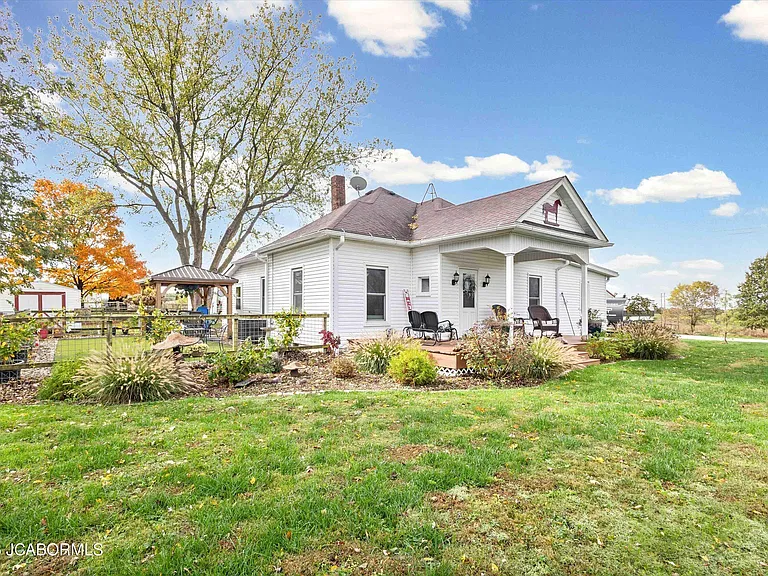
Three-Bedroom Country Home, 10 Acres & Multiple Barns in New Bloomfield, Missouri — $387,500
Callaway County · New Bloomfield, Missouri 65063 Property Overview A country home, 10 acres of land, a pond and an…
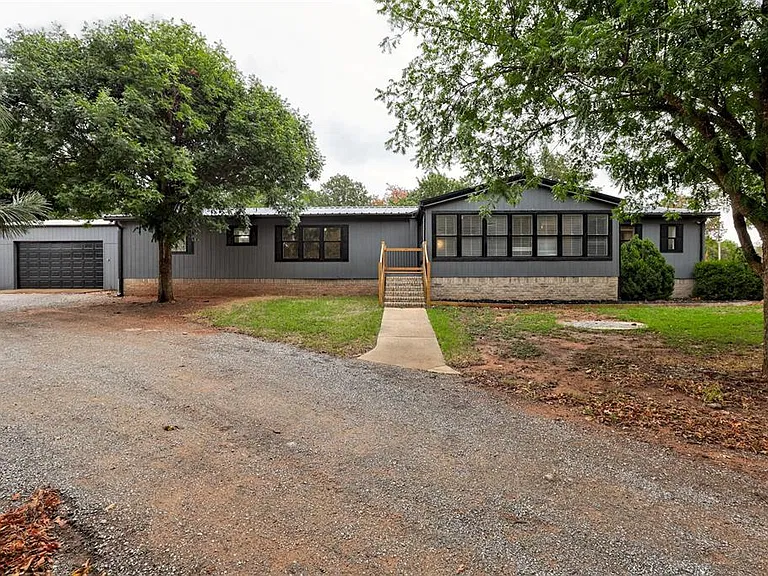
10-Acre Guthrie Property with Horse Stables & Workshop in Guthrie, Oklahoma — $445,000
Logan County · Guthrie · Central Oklahoma Property Overview Ten acres, four bedrooms, four bathrooms and dedicated space for horses,…
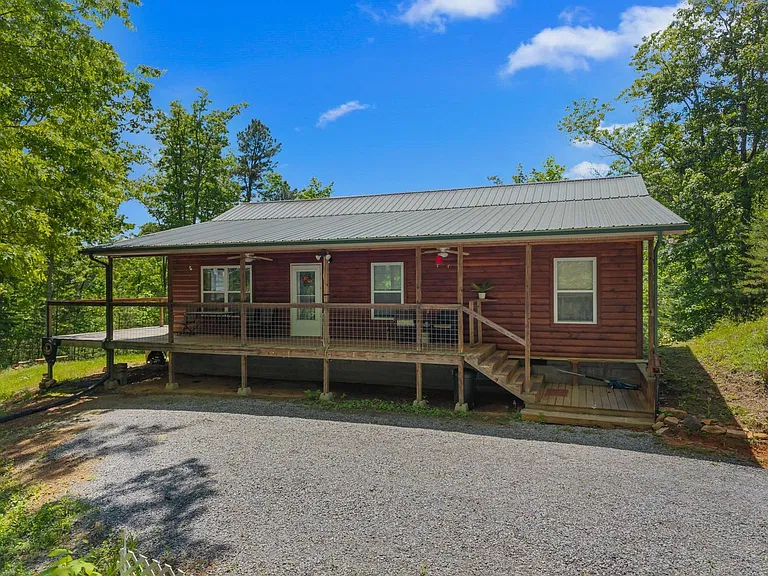
3-Bedroom Wooded Cabin on 18 Acres with Wraparound Porch in Sneedville, Tennessee — $319,900
Hancock County · Sneedville, Tennessee · 37869 Property Overview A wooded East Tennessee retreat with 18 acres, a cabin-style home,…