How Much Does It Really Cost to Maintain a House Every Year?
The short answer
- Budget approximately 1% to 4% of your home’s value annually as a general maintenance and repair planning guideline. The appropriate amount depends on age, condition, climate, and property type.
- Older homes usually need larger reserves. Aging roofs, plumbing, electrical systems, and HVAC equipment can create significant expenses.
- Routine maintenance matters. Small tasks such as changing filters, cleaning gutters, and checking for leaks can help prevent expensive damage.
- Major replacements are separate financial events. A roof, furnace, water heater, or air conditioning system may require thousands of dollars.
- Don’t forget the exterior. Landscaping, driveways, decks, drainage, and exterior paint also require attention.
- Build a dedicated maintenance fund. Saving monthly is usually easier than finding a large amount when something breaks.
How much should homeowners budget for annual maintenance?
There isn’t one maintenance budget that works for every house. A recently constructed property with modern equipment may require relatively little attention in its early years. A house built several decades ago may need more frequent repairs, replacements, and preventative work.
One commonly used budgeting guideline is the 1% rule: set aside approximately 1% of the home’s value each year for maintenance and repairs. However, Fannie Mae also describes a broader guideline of 1% to 4%, with older properties potentially requiring a larger reserve.
This is a planning guideline, not a prediction of what every homeowner will spend. Your actual expenses could be substantially lower in a quiet year or much higher when a major system fails.

Annual maintenance budget examples
Here is how the 1% to 4% guideline translates into potential annual savings targets at different property values.
| Home value | 1% annually | 2% annually | 4% annually |
|---|---|---|---|
| $200,000 | $2,000 | $4,000 | $8,000 |
| $300,000 | $3,000 | $6,000 | $12,000 |
| $400,000 | $4,000 | $8,000 | $16,000 |
| $500,000 | $5,000 | $10,000 | $20,000 |
| $600,000 | $6,000 | $12,000 | $24,000 |
For example, someone who owns a $350,000 home might use $3,500 to $14,000 as an annual planning range, depending on the property’s condition and maintenance needs.
That doesn’t mean you must spend that amount every year. It means you should consider how much money you may need over the longer term, including years when several expensive repairs happen close together.
1. Routine maintenance: The expenses that come back every year
Routine maintenance is the ongoing work required to keep a property in good condition. These expenses are generally easier to predict than emergency repairs because many tasks follow a seasonal or annual schedule.
Some jobs can be handled by homeowners, while others require a qualified professional. Even when individual tasks seem inexpensive, their combined cost can become a meaningful part of your annual household budget.
Heating and cooling maintenance
Replacing air filters, checking system performance, cleaning equipment, and arranging professional servicing can help maintain efficiency and identify potential problems early.
Gutter and drainage cleaning
Leaves, dirt, and debris can obstruct drainage. Regular cleaning and checking downspouts helps reduce the risk of water accumulating around the roof or foundation.
Plumbing inspections
Checking faucets, toilets, visible pipes, water connections, and drains can help identify small leaks before they contribute to water damage.
Landscaping and lawn care
Mowing, trimming, pruning, irrigation maintenance, and seasonal yard cleanup can become recurring expenses, particularly for properties with large outdoor spaces.
Smoke and carbon monoxide detectors
Testing alarms, replacing batteries when required, and replacing devices according to manufacturer recommendations are important household safety tasks.
Exterior inspections
Checking siding, paint, window seals, exterior caulking, decks, and porches helps identify deterioration before moisture and weather cause more extensive damage.
The important thing is to avoid treating maintenance as something you only do when a problem appears. Regular attention can help reduce the likelihood of expensive repairs, although it cannot eliminate unexpected failures.
2. Major home repairs: The expenses that can change your budget
Routine maintenance is only part of the financial picture. The larger challenge is that major home components have limited lifespans and eventually need substantial repairs or replacement.
Unlike monthly utilities or regular lawn care, these expenses may not occur every year. However, when they do happen, they can put considerable pressure on your finances.

Common major repairs homeowners should prepare for
Roof repairs and replacement
Roofing problems can develop through weather exposure, aging materials, damaged flashing, or poor installation. A roof replacement is one of the major expenses homeowners should plan for over the property’s lifetime.
HVAC replacement
Heating and cooling systems eventually become less reliable. A major repair or complete replacement can be particularly expensive depending on the system type, size, and installation requirements.
Water heater replacement
Water heaters experience wear over time. Leaks, corrosion, heating problems, and reduced performance can indicate that repair or replacement is necessary.
Plumbing and sewer repairs
Pipe deterioration, hidden leaks, sewer-line damage, and drainage problems can require specialist equipment, excavation, and substantial repair work.
Electrical system repairs
Older wiring, outdated electrical panels, damaged circuits, and unsafe connections may require assessment and repairs by a licensed electrician.
Foundation and structural repairs
Significant movement, water intrusion, damaged supports, or structural deterioration can require engineering assessments and specialized contractors.
One of the biggest mistakes homeowners make is assuming that because a component is currently working, it doesn’t need to be included in their financial planning.
A roof that looks fine today may still be approaching the end of its expected service life. The same applies to older heating systems, water heaters, plumbing components, and appliances.
3. How much do different home maintenance tasks cost?
There is a major difference between replacing an air filter and repairing a damaged roof. Understanding the different types of expenses makes it easier to decide how much money to reserve.
The table below provides broad planning categories rather than quoted national averages. Actual contractor prices vary considerably by location, labor rates, materials, accessibility, property size, and the extent of the problem.
| Maintenance category | Typical frequency | Budget considerations |
|---|---|---|
| HVAC filters | Every 1–3 months, as recommended | Recurring, generally low-cost supplies |
| HVAC servicing | Usually annually or as recommended | Professional service and inspections |
| Gutter cleaning | Usually 1–2 times yearly, depending on surroundings | DIY supplies or professional labor |
| Lawn and landscaping | Seasonal or recurring | Highly dependent on property size and services |
| Minor plumbing repairs | As needed | Parts, labor, and access requirements |
| Exterior painting | When condition and materials require it | Preparation, surface area, and paint quality |
| Water heater replacement | When equipment reaches the end of its useful life | Equipment, installation, and code requirements |
| Roof replacement | Based on roofing material and condition | Roof size, pitch, materials, and labor |
| Foundation repairs | As problems develop | Requires individual professional assessment |
The best way to estimate your own costs is to inspect the major systems, identify their ages, and obtain local estimates for any work that may be approaching.
4. How the age of your house affects maintenance costs
The age of a property is one of the factors that can influence how much you spend on maintenance. Older homes often have more components approaching the end of their service lives, and some may contain materials or systems that require specialized attention.
However, age alone doesn’t determine condition. A well-maintained 50-year-old house can be in better shape than a poorly maintained 15-year-old property.
Newer homes
Newer properties may have modern systems, newer roofing, and fewer immediate replacement needs. However, landscaping, routine servicing, warranties, and ordinary wear still require attention.
Homes around 10–20 years old
Some original appliances and mechanical systems may begin requiring more attention. Exterior materials, water heaters, and certain components may also need repairs or replacement.
Homes around 20–40 years old
More components may be approaching replacement age. Depending on previous upkeep, homeowners may face expenses involving roofing, plumbing, HVAC, windows, and exterior finishes.
Homes over 40 years old
Older properties deserve careful attention to foundations, electrical systems, plumbing, insulation, drainage, and previous renovation work. Historic or older construction may also require specialized materials and contractors.
The U.S. Census Bureau has highlighted the financial differences between maintaining older homes and moving into them as a new owner. In its analysis of older homes, owners who had recently moved in reported higher overall upkeep spending than longer-term owners.
This is a useful reminder that purchasing an older home can involve more than the initial sale price. You should also investigate its maintenance history and the condition of its major components.
5. Don’t forget the hidden costs of homeownership
Some expenses are easy to overlook because they don’t necessarily look like traditional repairs. However, they can still add considerably to the amount of money required to operate and maintain a property.


Landscaping and outdoor spaces
A property with a large yard, mature trees, extensive gardens, fencing, or outdoor structures can require considerably more upkeep than a smaller house with minimal landscaping.
Potential expenses include tree trimming, lawn treatments, irrigation repairs, pest control, fence maintenance, and seasonal cleanup.
Driveways, walkways, and patios
Concrete, asphalt, pavers, and other exterior surfaces deteriorate over time. Cracks, drainage issues, uneven surfaces, and weather exposure can eventually require repairs or replacement.
Appliances and interior fixtures
Refrigerators, dishwashers, washing machines, dryers, garbage disposals, faucets, and lighting fixtures all have limited useful lives. Even if each replacement is manageable individually, several failures in the same year can create an unexpected financial burden.
Pest prevention and treatment
Depending on your location and property type, termites, rodents, ants, and other pests may require preventative services or professional treatment. Moisture and neglected exterior areas can make certain properties more vulnerable.
Weather-related maintenance
Homes in areas with heavy rainfall, freezing temperatures, high humidity, extreme heat, or strong storms may require additional attention to roofing, drainage, insulation, exterior seals, and heating or cooling systems.
6. Seasonal home maintenance: What should you do throughout the year?
One of the easiest ways to manage home maintenance is to divide it into four seasons. Instead of trying to remember everything at once, you can schedule smaller tasks throughout the year.
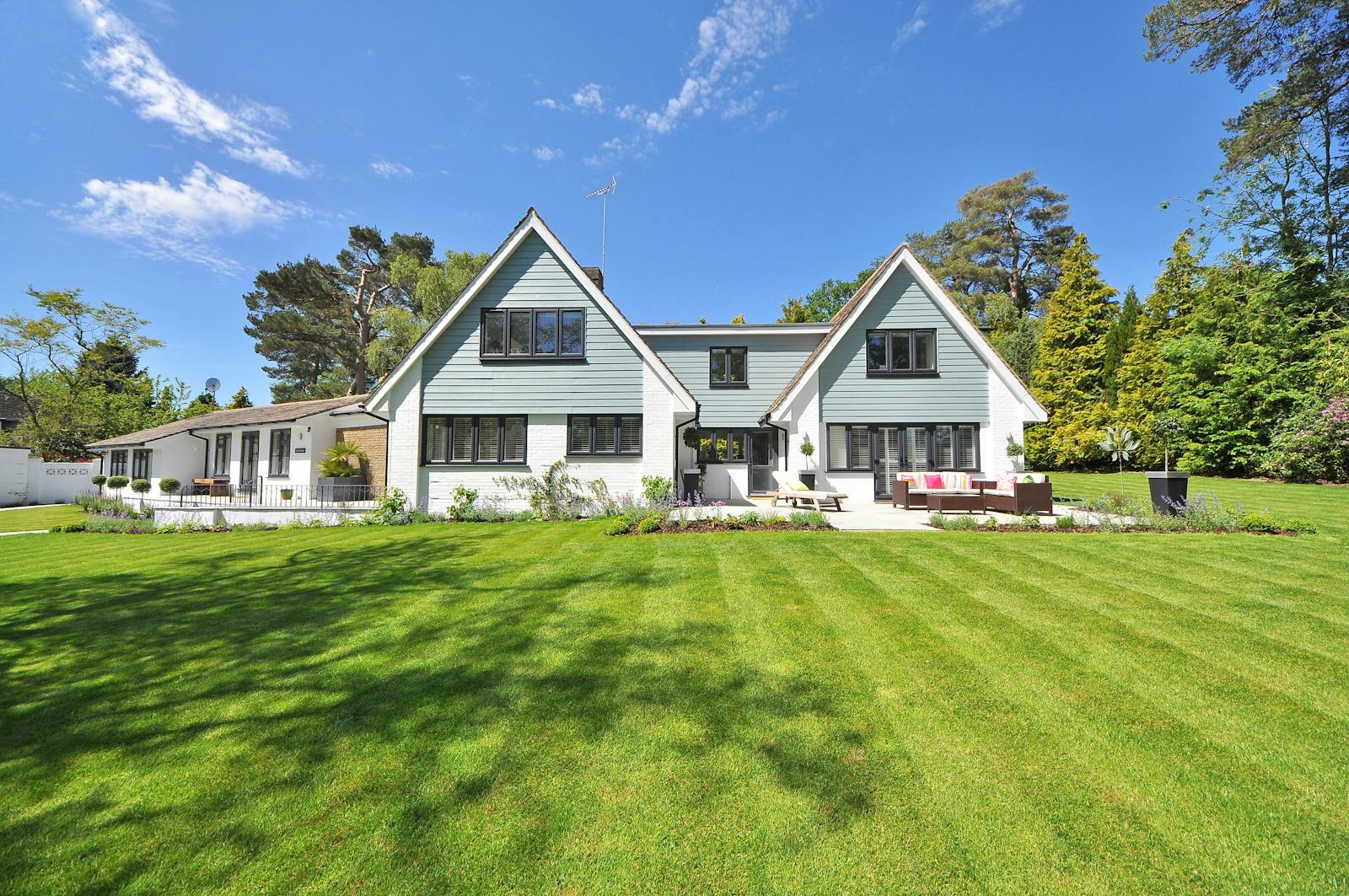
Spring: Inspect and prepare after winter
Spring maintenance checklist
- Inspect roofing, gutters, and downspouts for winter damage.
- Check the foundation and basement for signs of water intrusion.
- Inspect exterior paint, siding, windows, and door seals.
- Service your air conditioning system before heavy summer use.
- Check outdoor faucets and irrigation systems.
- Clean outdoor spaces, decks, patios, and walkways.
- Look for signs of pest activity around the property.
Summer: Maintain exterior areas
Summer maintenance checklist
- Keep lawns, gardens, and trees properly maintained.
- Check irrigation systems for leaks and inefficient watering.
- Inspect decks, fences, and outdoor structures.
- Look for damaged caulking and deteriorating exterior finishes.
- Monitor cooling system performance and replace filters as needed.
- Check attic ventilation and look for signs of excessive moisture.
- Inspect driveways and walkways for developing damage.
Fall: Prepare for colder weather
Fall maintenance checklist
- Clean gutters after leaves have fallen.
- Arrange heating system servicing before winter.
- Check weatherstripping around windows and doors.
- Inspect fireplaces and chimneys where applicable.
- Disconnect and protect exterior hoses and faucets where necessary.
- Test smoke and carbon monoxide detectors.
- Check insulation and exposed pipes in vulnerable areas.
Winter: Protect the home from cold weather
Winter maintenance checklist
- Monitor indoor temperatures and heating system performance.
- Watch for frozen or leaking pipes during cold weather.
- Keep gutters and drainage areas clear when safely accessible.
- Check for drafts around doors and windows.
- Inspect ceilings and walls for signs of leaks.
- Keep walkways and entrances safe during icy conditions.
- Review emergency supplies and know where important shutoffs are located.
Not every task applies to every property. Your local climate, building materials, landscaping, and equipment will determine the maintenance schedule that makes the most sense.
7. How much should you save every month for home maintenance?
Saving monthly is one of the most practical ways to manage annual maintenance expenses. Rather than waiting for a large repair bill, you can gradually build a dedicated reserve.
Let’s look at an illustrative example for a homeowner with a property valued at $350,000.
Example: Building an annual maintenance fund
| Budgeting approach | Annual savings | Monthly savings |
|---|---|---|
| 1% of home value | $3,500 | $292 |
| 2% of home value | $7,000 | $583 |
| 3% of home value | $10,500 | $875 |
| 4% of home value | $14,000 | $1,167 |
These are savings targets based on different percentages, not a requirement to spend the full amount every year.
Where should you keep your maintenance savings?
For many homeowners, a separate savings account makes it easier to track the money reserved for the property.
You can use this fund for planned repairs, routine maintenance, and major replacements. If you have a separate household emergency fund, keeping the two purposes distinct can also make budgeting easier.
Ideally, your maintenance reserve should gradually grow to a level that can handle an unexpected repair without forcing you to rely on high-interest credit cards or personal loans.
8. What happens when several expensive repairs occur in the same year?
This is where homeowners can get into financial trouble. A single repair might be manageable, but multiple failures can arrive close together.
Imagine that your house has an aging roof, an older water heater, and an HVAC system that has started experiencing problems.
Illustrative example: Multiple repairs in one year
| Unexpected expense | Example amount |
|---|---|
| Roof repair | $4,500 |
| Water heater replacement | $1,800 |
| HVAC repair | $2,200 |
| Plumbing repair | $900 |
| Total unexpected expenses | $9,400 |
These figures are hypothetical examples, not contractor quotations or national average prices.
A homeowner who only budgets for routine monthly expenses could find this situation difficult to manage. Someone who has gradually built a maintenance reserve may be in a much stronger financial position.
This is also why it is important to inspect major home systems before purchasing a property. Knowing that a roof or HVAC system is nearing the end of its useful life gives you an opportunity to plan rather than being surprised later.
9. How to reduce your annual home maintenance costs
You cannot eliminate every repair, but you can make smarter decisions that help control expenses over the long term.
Deal with small problems early
A small leak, loose roof shingle, or damaged seal may be relatively simple to address. Ignoring it can allow water to spread and cause more expensive damage.
Follow manufacturer maintenance recommendations
Heating systems, appliances, water heaters, and other equipment often have specific maintenance requirements. Following them can help preserve performance and identify developing issues.
Compare professional estimates
For significant work, consider obtaining multiple written estimates. Compare the scope, materials, warranties, qualifications, and total cost rather than choosing based on price alone.
Choose durable materials when replacement is necessary
Consider the expected lifespan, maintenance requirements, energy performance, and long-term costs of materials and equipment before making a replacement decision.
Keep records of repairs and servicing
Maintain invoices, warranties, inspection reports, and dates of major replacements. This makes it easier to plan future expenses and understand the property’s maintenance history.
Learn basic homeowner maintenance
Tasks such as replacing filters, checking for visible leaks, cleaning accessible areas, and testing alarms can often be handled without hiring a professional. Leave hazardous or specialized work to qualified people.
10. Is maintaining a house more expensive than renting?
This is a common question among people deciding whether to buy their first home.
When you rent, the landlord is generally responsible for many property repairs and major building maintenance obligations, subject to the lease and local law. Your predictable housing costs may therefore be easier to manage in some situations.
When you own a home, you gain more control over the property and can build equity, but you also become responsible for repairs, replacements, and long-term upkeep.
Typical renter responsibilities
Rent, utilities specified by the lease, renter’s insurance where applicable, and any maintenance responsibilities assigned under the rental agreement.
Typical homeowner responsibilities
Mortgage payments, property taxes, homeowners insurance, utilities, repairs, maintenance, replacements, and potentially HOA or community fees.
Neither option is automatically cheaper in every market. The comparison depends on local rental prices, purchase prices, interest rates, taxes, insurance, property condition, and how long you plan to stay.
For someone considering buying, the important lesson is to calculate the full cost of ownership rather than comparing rent with the mortgage payment alone.
11. What should you check before buying a house to avoid expensive maintenance?
One of the best ways to reduce future surprises is to investigate the property’s condition before purchasing it.
A standard home inspection can help identify visible problems, but you should pay particular attention to the age and condition of expensive components.
Pre-purchase maintenance checklist
- Ask about the age and condition of the roof.
- Check the heating and cooling equipment and its maintenance history.
- Ask when the water heater was installed.
- Look for evidence of previous leaks or water damage.
- Have significant foundation concerns evaluated appropriately.
- Check visible plumbing and electrical conditions.
- Ask about the age of major appliances included in the sale.
- Inspect gutters, drainage, exterior surfaces, and landscaping.
- Review previous repair invoices and available warranties.
- Investigate any findings that require specialist assessments.
Remember that an inspection is not a guarantee against future problems. It is a way to better understand the property’s condition and make a more informed financial decision.
If a property has several aging systems, include their likely replacement costs in your purchase calculations. A house that appears affordable at the asking price may require a much larger financial commitment after closing.
Common home maintenance budgeting mistakes
- Budgeting only for visible expenses: Roofs, plumbing, HVAC equipment, and appliances can create major bills even when everything currently appears functional.
- Assuming new homes need no maintenance: Newer properties still need servicing, landscaping, cleaning, and occasional repairs.
- Ignoring the property’s age: Older systems and materials may require larger financial reserves.
- Confusing renovations with maintenance: A kitchen remodel is an improvement project, not routine maintenance.
- Depending entirely on insurance: Ordinary wear and neglected maintenance are generally different from sudden covered damage.
- Using all available savings at closing: Homeowners should consider the financial demands that begin immediately after purchasing.
- Delaying inexpensive repairs: Small problems can develop into more expensive ones when ignored.
- Failing to keep repair records: Without documentation, it becomes harder to track equipment age, warranties, and previous work.
Frequently Asked Questions
How much does the average homeowner spend on maintenance each year?
There is no single annual figure that applies to every homeowner. Spending varies with property value, age, condition, climate, and maintenance needs. A commonly used budgeting guideline is to reserve approximately 1% to 4% of the home’s value annually for maintenance and repairs, as described by Fannie Mae.
Is the 1% rule for home maintenance accurate?
The 1% rule is a useful starting point, but it is not a guarantee of actual expenses. A newer, well-maintained property may require less, while an older house with aging systems may require considerably more. Adjust your budget based on the actual condition of the property.
How much should I save monthly for home repairs?
Calculate your desired annual maintenance reserve and divide it by 12. For example, a $6,000 annual savings target means setting aside $500 per month. Your ideal amount depends on the home’s condition, age, and upcoming replacement needs.
Are maintenance costs higher for older houses?
They can be. Older homes may have aging roofs, plumbing, electrical systems, heating equipment, windows, and other components that need more attention. However, previous renovations and consistent maintenance can make a significant difference.
Does homeowners insurance cover home maintenance?
Generally, homeowners insurance is not designed to pay for routine maintenance, ordinary wear, or gradual deterioration. Coverage depends on the policy and the circumstances of the damage. Read your policy carefully before assuming a repair will be covered.
What is the most expensive part of maintaining a house?
Major replacements and structural repairs can be among the most expensive expenses. Roofing, HVAC systems, foundation work, plumbing, and sewer repairs can all create substantial bills depending on the property.
Should I have a separate savings account for home maintenance?
It can be a useful approach. A dedicated account makes it easier to track savings intended for repairs, maintenance, and replacements. It can also help prevent money reserved for home expenses from being used for unrelated purchases.
Does a new construction home require annual maintenance?
Yes. New homes still require HVAC servicing, filter replacement, landscaping, gutter maintenance, plumbing checks, and other routine tasks. Some new components may be covered by warranties, but warranty coverage has specific terms and limitations.
What is the difference between home maintenance and home improvement?
Maintenance involves preserving the home’s existing condition, such as cleaning gutters, servicing equipment, and repairing leaks. Improvements involve upgrading or changing the property, such as remodeling a kitchen, adding a deck, or installing new finishes.
Should I budget for home maintenance before buying a house?
Absolutely. Include likely maintenance expenses and upcoming replacements in your affordability calculations before making an offer. This helps you determine whether you can comfortably afford the property beyond the initial purchase and closing costs.
Owning a home means planning beyond the mortgage
A house can be one of the most valuable investments you make, but protecting it requires ongoing financial attention. From simple seasonal tasks to major repairs, maintenance is a normal part of responsible homeownership.
The key is to stop thinking about repairs as occasional surprises and start treating them as part of your long-term housing budget.
Understand the age and condition of your property, keep track of major systems, follow a seasonal maintenance schedule, and build a dedicated savings reserve. Even modest monthly contributions can make a meaningful difference when an unexpected repair arrives.
Your next step: Calculate a realistic annual maintenance target for your home’s value and condition, divide it into monthly savings, and create a checklist of the major systems that may need attention over the next few years.
Sources and further reading
These resources provide additional information about home maintenance budgets, preventative upkeep, and the financial responsibilities of owning a property.
- Fannie Mae: How to Build Your Maintenance and Repair Budget
- Fannie Mae: Regular Home Maintenance
- Fannie Mae: How You Can Prepare for the Costs of Homeownership
- U.S. Census Bureau: American Housing Survey
- Consumer Financial Protection Bureau: Owning a Home
Important: All maintenance budgeting percentages and financial examples in this article are general educational guidelines. Actual costs vary by property, location, materials, labor rates, and condition. This article is not individualized financial, insurance, or tax advice.
Read more posts
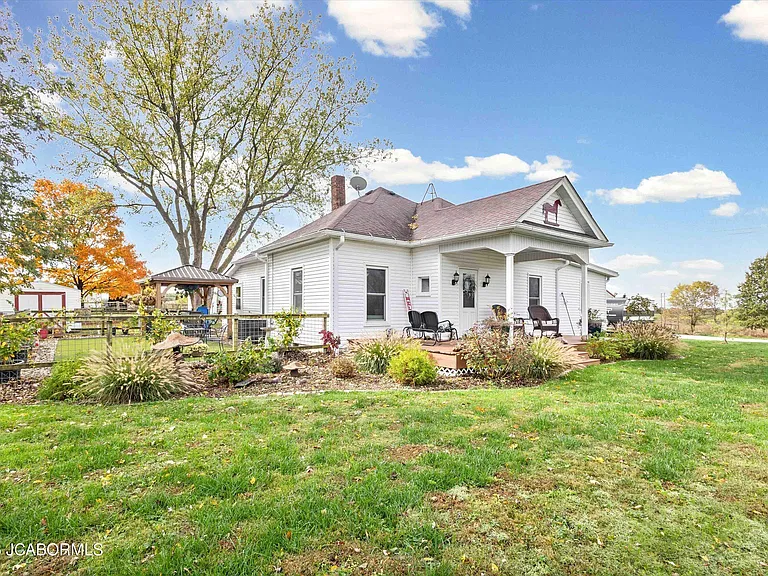
Three-Bedroom Country Home, 10 Acres & Multiple Barns in New Bloomfield, Missouri — $387,500
Callaway County · New Bloomfield, Missouri 65063 Property Overview A country home, 10 acres of land, a pond and an…
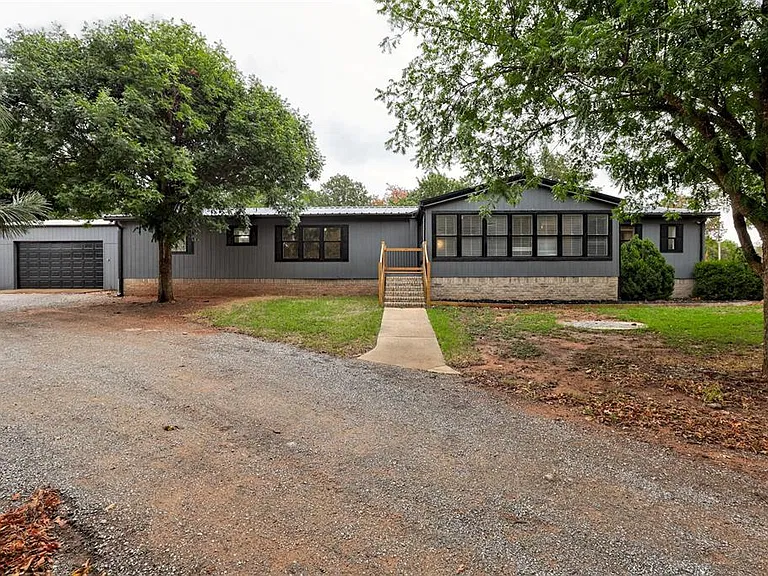
10-Acre Guthrie Property with Horse Stables & Workshop in Guthrie, Oklahoma — $445,000
Logan County · Guthrie · Central Oklahoma Property Overview Ten acres, four bedrooms, four bathrooms and dedicated space for horses,…
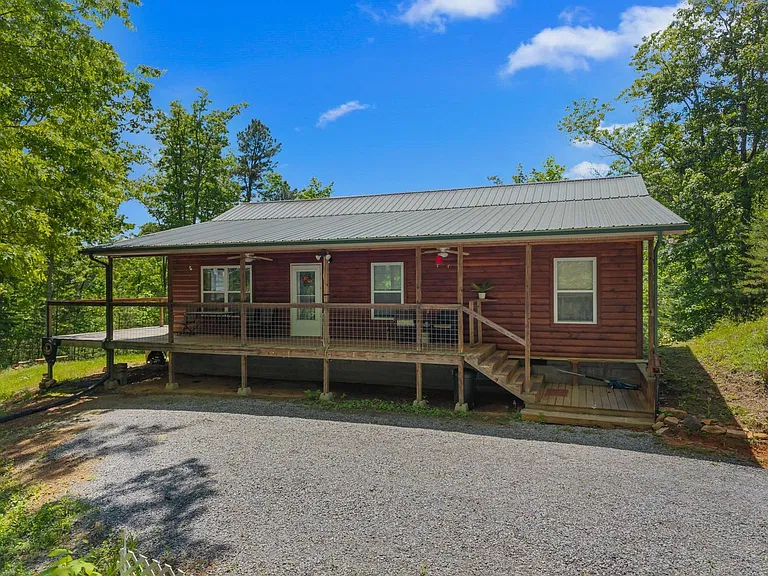
3-Bedroom Wooded Cabin on 18 Acres with Wraparound Porch in Sneedville, Tennessee — $319,900
Hancock County · Sneedville, Tennessee · 37869 Property Overview A wooded East Tennessee retreat with 18 acres, a cabin-style home,…