What to Look for in a House Before Making an Offer

Before You Make an Offer What to Look for in a House Before Making an Offer A practical viewing checklist for looking beyond the photos and deciding whether a property is worth taking to the next step.
BeyondVisit Property Guide House Buying Property Viewing

Finding a house you like is one thing. Deciding whether you are ready to make an offer is another. Before you commit, take a closer look at the property’s condition, layout, location, running costs, potential repairs, and the practical details that may not be obvious from a listing. A careful final review can help you distinguish between a home that simply looks appealing and one that genuinely makes sense for you.

At a glance

  • Look beyond decoration and staging to understand the property’s actual condition.
  • Check the roof, windows, walls, floors, plumbing, heating, electrical systems, and visible exterior areas.
  • Think about natural light, noise, privacy, storage, parking, and the layout.
  • Ask about repairs, renovations, maintenance, utility costs, and anything that is unclear.
  • Consider whether the property has risks or future costs that could affect your budget.
  • Research the local market and comparable properties before deciding what an offer should look like.
  • Where appropriate, make the offer subject to suitable inspections or other protections allowed in your area.

Take One More Careful Look Before You Commit

Once you find a house that seems right, it is easy to become focused on getting it before someone else does. That excitement can make it tempting to overlook small concerns or tell yourself that you will deal with them later.

Before making an offer, slow the process down enough to look at the property with fresh eyes. Walk through each room again. Look at the parts that are easy to ignore. Ask questions that were not answered in the listing. Think about what the house will cost and feel like after the furniture is moved in and the novelty has worn off.

You do not need to identify every possible defect yourself. A professional inspection may be appropriate depending on the property and local process. The goal at this stage is to know what deserves further investigation before you make a commitment.

Start With the Exterior

The outside of a property can tell you quite a lot about how it has been maintained. You do not need specialist knowledge to notice things that deserve a question.

  • Look at the visible condition of the roof and ask about its age and maintenance history.
  • Check gutters, downpipes, exterior walls, and visible drainage areas.
  • Look for cracks, staining, damaged materials, or signs of water entering the property.
  • Pay attention to the condition of paths, steps, driveways, fences, walls, and other external areas.
  • Consider how much maintenance the garden or outdoor space will require.
  • Check parking arrangements and whether access is practical for your needs.
  • Look at the relationship between the property and neighboring homes, roads, and other nearby features.
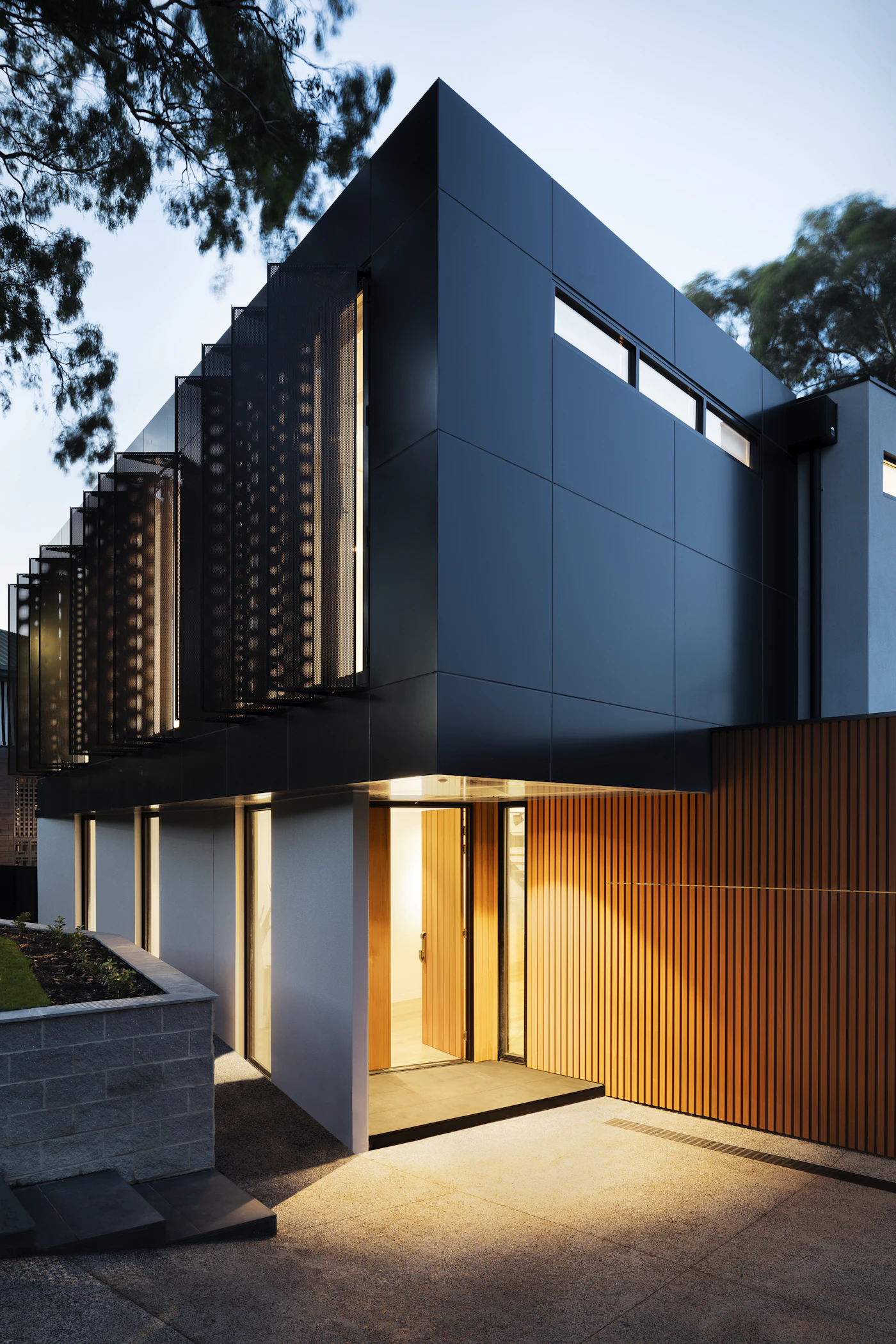
Well maintained family house with driveway and garden

Exterior concerns do not automatically mean you should walk away. They may simply mean you need more information or a professional assessment before deciding what the property is worth to you.

Look Carefully at Walls, Ceilings, and Floors

Cosmetic imperfections are normal in many homes, especially properties that have been lived in for years. The important thing is to distinguish ordinary wear from signs that could point to a more significant problem.

Look at ceilings for staining or unusual discoloration. Check walls for cracks, damp patches, bubbling paint, or areas that appear recently repaired. Look at floors for significant movement, unevenness, or damage.

You should not assume that every crack or mark indicates a serious structural issue. Instead, treat anything unusual as a reason to ask questions and, where necessary, obtain professional advice.

Watch out: Fresh paint or recently repaired areas are not necessarily a problem, but they are worth asking about. Find out what work was carried out and why.

Check Windows, Doors, and Natural Light

Windows and doors affect comfort, security, energy use, ventilation, noise, and the general feel of a home. They are also easy to overlook when you are concentrating on kitchens and living rooms.

Open and close windows and doors where you can. Notice whether they operate smoothly, whether there are visible gaps or damaged frames, and whether rooms feel excessively cold, dark, or noisy.

Think about natural light at different times of day too. A bright room during a midday viewing may feel quite different in the morning or evening. If light is important to you, consider the direction of the windows and the buildings or trees around the property.

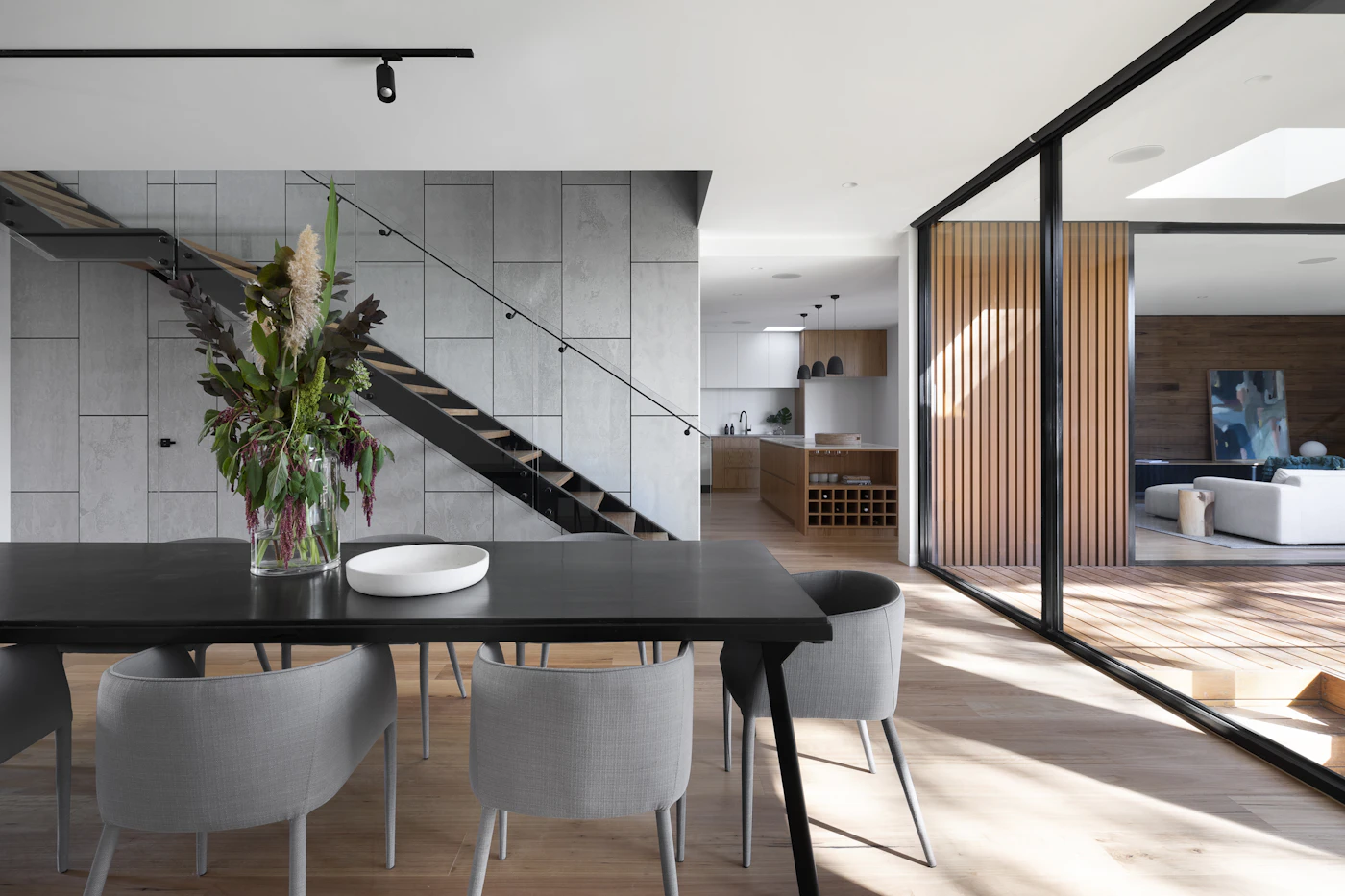
Bright residential interior with large windows and natural light

Pay Attention to Water and Plumbing

Water-related problems can become expensive and disruptive, so it is worth paying attention to the visible plumbing and areas where water is commonly used.

Bathrooms

Look around baths, showers, sinks, toilets, and visible pipework for leaks, staining, damaged sealant, or signs of previous water damage.

Kitchen

Check under sinks and around appliances for moisture, leaks, swelling, or damaged cabinetry. Ask about the age and condition of important appliances if they are included.

Water pressure

Where appropriate and permitted during the viewing, check taps and showers. If water pressure or hot water is important to you, ask how the system works and how it has been maintained.

Drainage

Ask whether there have been recurring drainage issues, backups, leaks, or water problems. Visible evidence of moisture should be investigated rather than ignored.

Understand the Heating and Cooling Systems

A home’s heating and cooling systems can have a major effect on comfort and ongoing costs. Ask what systems the property uses, how old the major equipment is, and whether it has been serviced or replaced.

Depending on where you live, this may include a boiler, furnace, heat pump, air-conditioning system, radiators, underfloor heating, or other equipment. The specific systems vary by property and region, so focus on understanding what is actually installed and what condition it is in.

If the system is older or its condition is unclear, you may want to account for possible future maintenance or replacement when assessing the property.

Look at the Electrical System

You are not expected to inspect an electrical system like a professional electrician. However, there are practical things you can notice during a viewing.

  • Check whether there appear to be enough outlets for the way you use the rooms.
  • Look for visibly damaged sockets, switches, cables, or fittings.
  • Ask about the age of the electrical system if the information is available.
  • Ask whether significant electrical work has been carried out recently.
  • For an older property or where concerns exist, consider whether a professional electrical inspection is appropriate.

Avoid attempting electrical testing yourself. Visible signs should prompt questions and, when necessary, professional advice.

Check the Layout Against Your Everyday Life

A house can be in good condition and still be the wrong house for you. Before making an offer, revisit the question that matters most: how will this property work when you are actually living there?
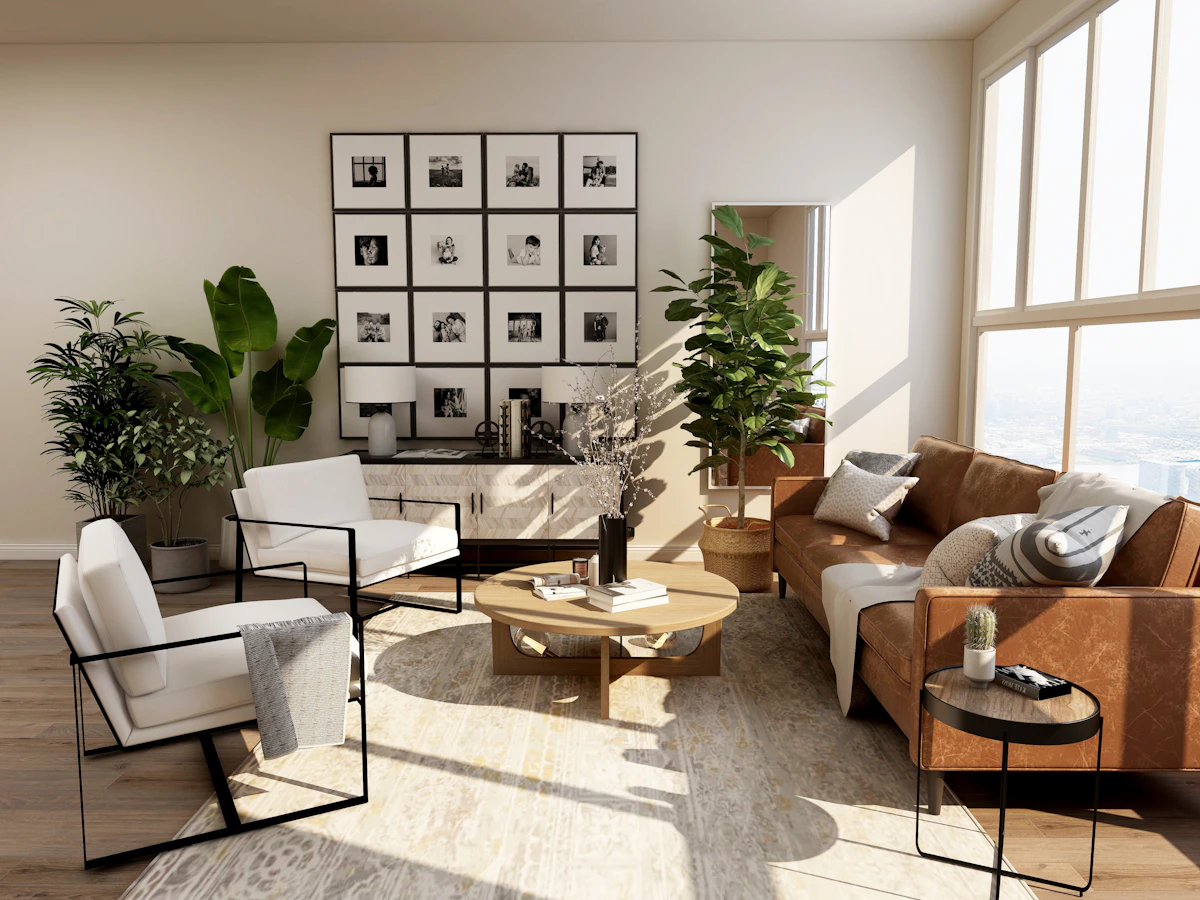
Comfortable practical living room with natural light Simple residential home with garden and outdoor space

Morning routine

Imagine several people getting ready at the same time. Are the bathrooms, bedrooms, kitchen, and entrances arranged conveniently?

Work and study

If you work or study from home, is there a suitable place to concentrate without sacrificing a room you need for something else?

Storage

Think beyond wardrobes. Consider cleaning equipment, luggage, tools, seasonal items, bicycles, sports equipment, and everything else your household owns.

Outdoor space

If there is a garden, balcony, terrace, or courtyard, consider how you would actually use it and how much maintenance it would require.

Listen to the House

A viewing can be surprisingly noisy, especially when several people are talking. Take a quiet moment to listen.

Can you hear traffic? Neighbors? Businesses? Shared entrances? Heating equipment? Dogs? Trains? Aircraft? None of these automatically makes a property unsuitable, but recurring noise can become much more noticeable after moving in.

If noise is important to you, consider visiting the area at another time of day before making an offer. A property that seems peaceful during one short viewing may have a very different atmosphere during a busy morning or evening.

Ask About Repairs and Recent Work

If the seller has renovated parts of the house, ask what was changed and when. Renovations can be a benefit, but you should understand what was actually done rather than assuming that everything is new.

Useful questions include:

  • When was the roof last repaired or replaced?
  • When were the windows installed?
  • How old are the main heating and cooling systems?
  • Has the plumbing or electrical system been upgraded?
  • Have there been previous leaks, flooding, damp, or drainage problems?
  • Were walls, floors, bathrooms, or kitchens recently renovated?
  • Are there warranties, permits, invoices, or other records for significant work where relevant?
  • Are there repairs that the seller already knows need to be completed?

The exact documents and disclosure requirements vary by location, so check the rules and standard process that apply where the property is located.

Consider Location-Specific Risks

The property itself is only part of the risk assessment. Depending on where you live, it can also be useful to understand issues such as flooding, wildfires, earthquakes, severe weather, drainage, or other local environmental risks.

Ask the seller appropriate questions and research reliable local information. These risks can affect maintenance, insurance, property use, and long-term costs. Where relevant, consider whether additional inspections or specialist advice would help you understand the property.

Important: Local rules differ significantly. Property disclosures, inspections, insurance requirements, contracts, and buyer protections depend on the jurisdiction. Treat this guide as a practical viewing checklist, not a substitute for local legal or professional advice.

Think About the Costs After You Move In

Before making an offer, try to picture the first year of ownership rather than only the purchase itself.

Cost area Questions to consider
Maintenance What parts of the property may need attention soon?
Utilities What might heating, cooling, water, and electricity cost?
Repairs Are there visible or known issues that may require work?
Outdoor areas How much time and money will the garden or exterior require?
Shared costs Are there service charges, association fees, or other property-related expenses?
Future improvements Are there changes you would want to make soon after moving in?

Homeownership comes with responsibility for repairs and maintenance, so leaving some room in your budget for unexpected costs is sensible. The exact costs will depend heavily on the property, location, construction, and systems installed.

Research the Price Before Deciding What to Offer

Once you have assessed the property itself, step back and consider the asking price. A house can be attractive and still be priced in a way that does not make sense for you.

Look at comparable properties in the same area, considering factors such as size, condition, location, number of rooms, outdoor space, parking, and recent improvements. Your local market conditions matter too, so information from nearby comparable properties is generally more useful than simply comparing homes from completely different neighborhoods.

If you are financing the purchase, remember that an appraisal or other valuation may be part of the process depending on the financing and jurisdiction. An appraisal is not the same thing as a home inspection: one addresses value, while an inspection focuses on physical condition.

Do Not Skip the Professional Inspection

A viewing is useful, but it is not a substitute for a professional inspection. An independent inspector can assess parts of the property that an ordinary buyer may not be able to evaluate properly.

If an inspection is appropriate in your buying process, arrange it promptly and choose a qualified professional whose work and responsibilities are clear. Being present can also help you understand the findings and ask questions.

Depending on the property, additional specialist inspections may be appropriate. Examples can include structural, roofing, electrical, plumbing, environmental, pest, or other assessments. The right inspections depend on the property and local circumstances.

Remember: An inspection is designed to give you information about the property’s condition. It is not a guarantee that nothing will ever go wrong after you buy the home.

What to Review Before Making the Offer

  • Have I confirmed that the property fits my essential needs?
  • Does the location work for my everyday routine?
  • Have I looked carefully at the exterior and visible condition of the property?
  • Have I asked about the roof, heating, plumbing, electrical system, windows, and major repairs?
  • Have I considered noise, privacy, natural light, parking, and storage?
  • Do I understand the work I might want or need to do after moving in?
  • Have I considered ongoing ownership and maintenance costs?
  • Have I compared the property with similar homes in the area?
  • Do I understand the inspection and contract protections available to me locally?
  • Am I comfortable with the price I am considering offering?

Know the Difference Between a Concern and a Deal-Breaker

Not every imperfection deserves the same response. A scratched floor, dated bathroom, or old kitchen may be something you can live with or improve later. A major structural concern, persistent water problem, unsuitable location, or cost that does not fit your budget may require much more consideration.

Try to categorize what you discover rather than reacting to every issue in the same way.

Cosmetic issue

Usually affects appearance more than basic function. Consider whether you are happy to live with it or improve it later.

Maintenance issue

Something that may require attention or replacement. Find out the likely scope, timing, and cost before deciding.

Major concern

Something that may significantly affect safety, cost, usability, or the property’s suitability. Professional advice may be appropriate.

Personal deal-breaker

A property characteristic that conflicts with your own needs, even if there is nothing technically wrong with the house.

Frequently Asked Questions

What should I check first when viewing a house?

Start with the things that are hardest or most expensive to change: location, layout, major condition concerns, noise, access, and the property’s suitability for your everyday life. Then look at cosmetic details.

Should I get a home inspection before making an offer?

The process varies by location and transaction, but a professional inspection can provide valuable information about the property’s physical condition. Depending on the local process, an inspection may happen before an offer or after an offer is accepted with appropriate contractual protections.

What are the biggest things to look for in an older house?

Pay particular attention to the condition and age of major systems, roof, plumbing, electrical components, windows, drainage, structure, and signs of moisture. Older properties can still be excellent homes, but their maintenance history deserves careful attention.

Should I worry about cracks in the walls?

Not every crack indicates a serious problem. The location, size, pattern, and history matter. If you see cracks that concern you, ask about them and consider getting an appropriate professional assessment rather than guessing at the cause.

How do I know if the asking price is reasonable?

Compare the property with similar nearby homes, considering size, condition, location, features, and recent improvements. Local market conditions also matter. If you are financing the purchase, understand how any required valuation or appraisal fits into the process.

What should I ask the seller before making an offer?

Ask about major repairs, renovations, roof and system ages, previous water or drainage problems, maintenance history, included items, and anything unusual you noticed during the viewing. Also ask for relevant documentation where appropriate.

Can I negotiate if the inspection finds problems?

Depending on your contract and local rules, inspection findings may affect negotiations about repairs, price, credits, or whether you continue with the purchase. The exact options available to you depend on the terms of the agreement and local law.

Make the Offer With Your Eyes Open

The moment before making an offer is a good time to slow down and look at the property as a buyer rather than simply as someone who likes the house.

Check the condition, understand the layout, listen to the surroundings, ask about repairs, consider future costs, and compare the property with other homes in the area. Where appropriate, use professional inspections and local advice to investigate anything you cannot confidently assess yourself.

You do not need a perfect house. You need enough information to understand what you are buying, what it may cost to own, and whether the property still makes sense once you look beyond the photographs and first impressions.

What to Look for in a House Before Making an Offer

Before making an offer on a house, look beyond the photos and first impressions. Learn what to check, what questions to ask and which details could affect your decision.

What to Look for in a House Before Making an Offer
Buying Guide

What to Look for in a House Before Making an Offer

Practical property guide · BeyondVisit

Before you make an offer, slow down and look past the pretty details. The right questions can reveal whether a house is truly worth pursuing.

So, you found a house you really like.

Maybe you have already pictured your sofa in the living room. You know exactly where the dining table would go. You have started imagining summer evenings outside and that first morning when you finally wake up in your own home.

That excitement is completely normal. But this is also the moment when you need to become a little more curious and a little less emotional.

Before you make an offer, take another look.

Not just at the kitchen. Not just at the fresh paint. Not just at the room that made you say, “Wow.”

Look at the things that could affect how comfortable the house is to live in, how much work it may need and whether it genuinely makes sense for your budget and lifestyle.

Before you make that offer…

  • Walk through the house slowly instead of rushing from room to room.
  • Look closely at walls, ceilings, windows, doors and floors.
  • Pay attention to natural light, noise, ventilation and temperature.
  • Think about storage, parking and how your furniture will fit.
  • Look for signs of damp, leaks, cracking or neglected maintenance.
  • Ask what is included in the sale and what may need replacing.
  • Visit the property and neighbourhood at different times if possible.
  • Investigate important concerns before turning excitement into an offer.

Start With the Question: “Why Am I Buying This House?”

Before inspecting the property itself, remind yourself why you started looking.

Maybe you need more space. Maybe you want a shorter commute. Perhaps you are moving because your current home no longer works for your household. Maybe you want outdoor space, a dedicated office or a quieter neighbourhood.

Whatever your reason, keep it in front of you.

A beautiful house can distract you from the reason you started searching in the first place. You might overlook a long commute because the kitchen is stunning. You might accept a cramped layout because the garden is gorgeous. You might stretch your budget because you can already imagine living there.

The question is not “Do I like this house?” The better question is: “Does this house solve the problems that made me want to move in the first place?”

Take a Second Look at the Outside

When you first arrive, it is easy to focus on the front door, landscaping and overall appearance.

This time, slow down.

Look at the roof from the best visible angles. Check the condition of external walls, gutters, downpipes, windows and doors. Look at paths, driveways, fences and outdoor structures.

You are not expected to diagnose a property’s condition yourself. You are simply trying to notice anything that deserves a closer look or professional investigation.

01

Roof & drainage

Look for visible damage, missing materials, damaged gutters or signs that rainwater may not be draining properly.

02

Walls & openings

Pay attention to cracks, unusual staining, damaged render and the general condition of windows and external doors.

03

Grounds & access

Check the driveway, paths, fences, garden and access points. Think about parking and how practical the entrance feels.

Look at the Walls, Ceilings and Floors

Once you are inside, resist the temptation to admire the furniture.

Look up. Look down. Look around.

Check walls and ceilings for visible staining, discolouration, bubbling paint or unusual marks. Look around windows and corners where moisture problems may become visible. Pay attention to floors that feel uneven or damaged.

None of these observations automatically means there is a serious problem. A mark could have a simple explanation. An uneven floor could be related to the age or construction of the property.

The important thing is to notice anything unusual and ask about it.

Notice first. Investigate second. You do not need to become a building expert during a viewing. You do need to avoid ignoring something simply because you love the house.

Check the Windows and Doors

Windows and doors affect much more than appearance.

Look at their general condition. Do they appear damaged? Do they open and close properly where appropriate? Do you notice condensation, damaged seals or signs of deterioration?

Also think about how much natural light enters each room. A room can look bright in listing photographs because of professional lighting, carefully chosen furniture and the time of day the photograph was taken.

Stand in the room yourself. Look outside. Think about what the light might feel like on an ordinary morning.

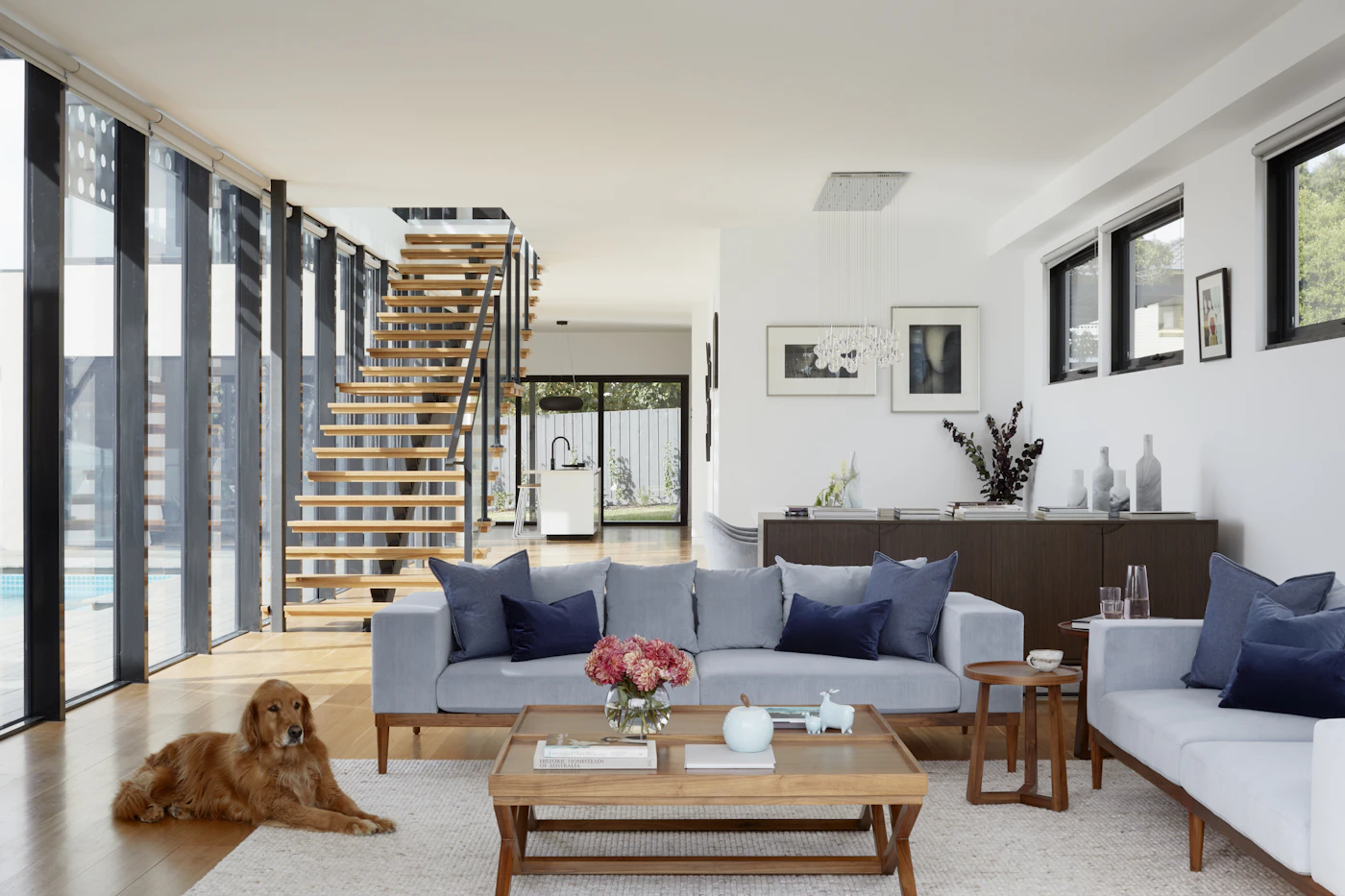
Home interior with large windows and bright natural daylight
Natural light can feel very different in person than it does in carefully staged property photography.

Listen to the House

This one is easy to forget.

When you are walking through a property, you are usually looking at things. Try listening instead.

Can you hear traffic? Neighbours? Dogs? Shops? Construction? A nearby road? Mechanical equipment? Are some rooms noticeably quieter than others?

Stand silently for a few moments. It may feel slightly awkward, but you can learn a lot from doing nothing.

A house that feels peaceful during a short viewing may feel very different during a busy weekday morning or evening. If the property becomes a serious candidate, consider visiting the area at different times before committing.

Pay Attention to Temperature and Airflow

How does the house feel when you walk through it?

Is one room noticeably colder or warmer than another? Does the air feel fresh or stale? Are there signs that rooms depend heavily on artificial ventilation?

Think about how the property might feel throughout the year rather than only during the viewing.

You do not need to make assumptions about heating or insulation based on one visit. Instead, use what you notice to create questions for the seller, agent or appropriate professional.

Open the Cupboards

Yes, really.

Storage problems are surprisingly easy to miss when a house is staged. A beautifully minimalist bedroom might have very little wardrobe space. A spotless kitchen might rely on cupboards that are smaller than they appear.

Look at the storage that matters to your life.

Where will coats go? What about shoes, cleaning supplies, luggage, tools, sports equipment, children’s belongings or seasonal items?

You are not judging whether the house is tidy. You are asking whether the house can realistically hold your life.

Imagine Your Furniture Inside It

Empty rooms can be deceptive. Furnished rooms can be deceptive too.

Before making an offer, think about the furniture you already own.

Will your sofa fit comfortably? Where would the dining table go? Can you place your bed without blocking access? Is there enough room to walk around furniture without making the space feel cramped?

If you have the measurements, use them. Even a quick measurement can save you from discovering after moving in that your favourite piece of furniture simply does not work in the room.

Room Ask yourself What to check
Living room Can I arrange the furniture comfortably? Door positions, windows, circulation and usable wall space.
Bedroom Will my bed and storage fit? Room dimensions, wardrobes, doors and access around the bed.
Kitchen Can I actually use this kitchen the way I cook? Work surfaces, storage, appliance locations and movement between areas.
Home office Can I work here comfortably? Noise, light, outlets, privacy and enough desk space.
Entrance Where will everyday clutter go? Coats, shoes, bags, deliveries and general storage.

Look at the Kitchen With Your Real Habits in Mind

Kitchens are often the room that wins people over.

But a beautiful kitchen is not automatically a practical kitchen.

Think about how you actually cook. Do you need lots of worktop space? Do you use several appliances? Do you cook with someone else? Do you eat at a table or a breakfast bar? Is there enough storage for what you own?

Also consider the relationship between the kitchen and the rest of the home. If you regularly host friends, does the space work for that? If you prefer quiet evenings, will kitchen activity spill directly into your main living area?

Check Bathrooms Beyond the Tiles

A bathroom can look perfect and still deserve a closer inspection.

Look at ventilation, visible condition, storage, water pressure where appropriate and the general practicality of the space.

Think about your household’s morning routine. If several people need to get ready at the same time, is the bathroom arrangement practical?

Again, you are not trying to perform a technical inspection yourself. You are identifying questions and deciding whether anything needs professional attention before you commit.

Do Not Forget the Utility Areas

The glamorous rooms get all the attention. Utility spaces often tell you something different about how a house actually works.

If there is a utility room, boiler area, garage, basement, attic or storage room, take a proper look where access is safe and permitted.

Ask yourself whether these areas are genuinely useful or simply taking up space. Is there somewhere for laundry? Cleaning equipment? Tools? Bikes? Seasonal belongings?

These are the spaces that may never appear in the hero photograph, but they can make everyday life much easier.

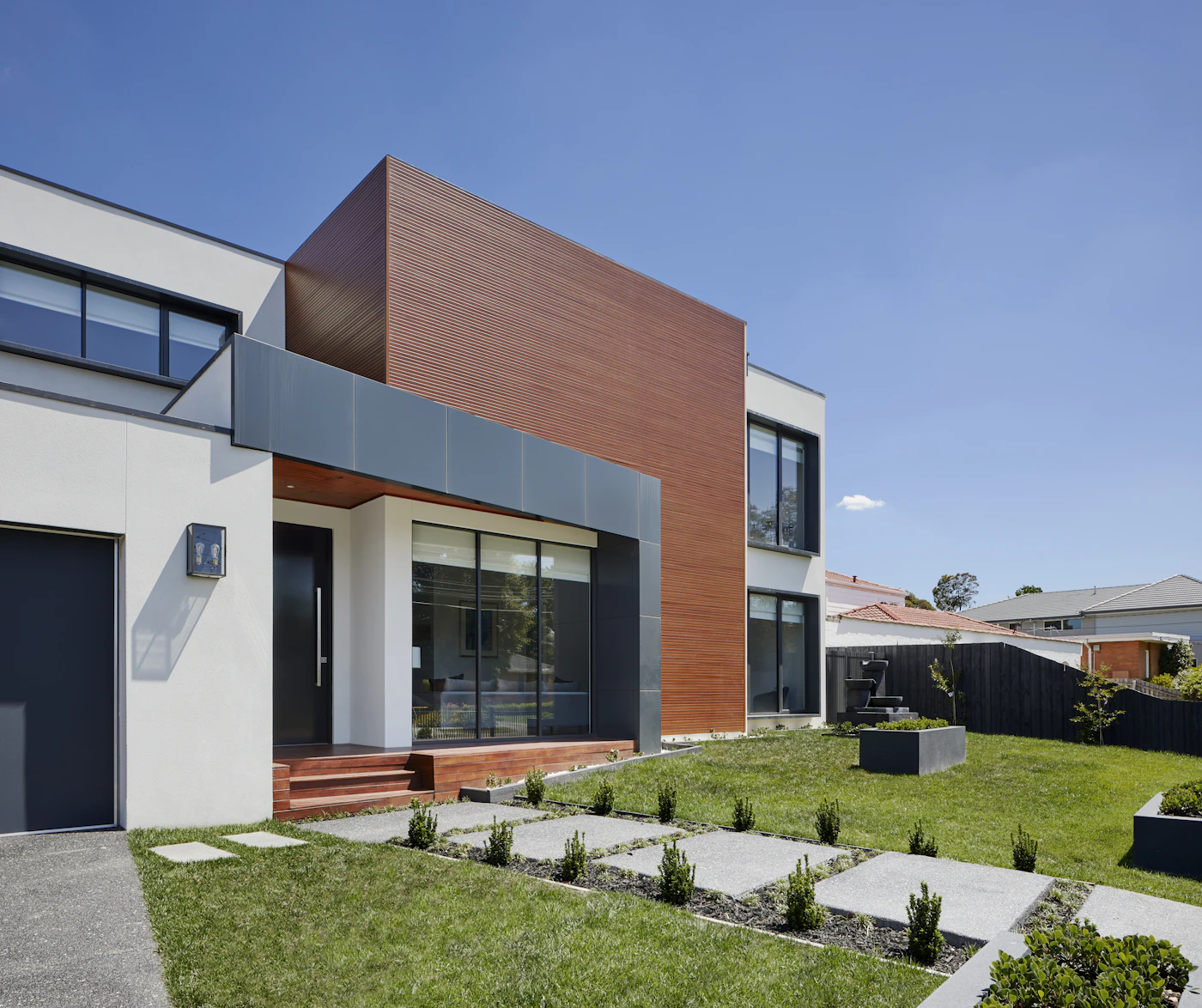
Well maintained home exterior with garden and outdoor living space
Practical details outside the main living areas can have a surprisingly large effect on everyday life.

Ask About Repairs and Recent Improvements

If something has been renovated or replaced recently, find out what was done.

A new kitchen, roof, heating system, windows or bathroom can be useful information when evaluating a property. But do not rely only on phrases like “recently renovated.”

Ask what was changed, when it was changed and whether there is documentation or relevant paperwork available.

If a major concern comes up, this is where appropriate professional advice becomes important. Your viewing is for observation and questions; it is not a substitute for a proper inspection or legal review.

A

What was changed?

Find out whether the work was cosmetic or involved major systems, structural elements or alterations.

B

When was it done?

Timing helps you understand what may still be relatively new and what may be approaching future maintenance.

C

Can it be verified?

Where relevant, ask whether supporting documentation, guarantees, approvals or records are available.

Think About Parking Before You Assume It Works

If you drive, parking is not a small detail.

Look at the actual parking arrangement rather than simply reading “parking available” in a listing.

Is there a private driveway? Garage? Designated space? Street parking? How easy is it to enter and leave? Does the arrangement work for the number of vehicles in your household?

If possible, visit at a busier time and see what the surrounding parking situation is really like.

Walk Around the Neighbourhood

You may be buying the house, but you are also choosing the streets around it.

Walk beyond the front gate.

What is nearby? How long does it take to reach the places you use regularly? Is the route pleasant? What is the traffic like? Are there shops, public transport, parks or other services that matter to you?

And remember that your first impression of a neighbourhood can be based on a single moment. Try to experience it at another time if the property becomes a serious possibility.

Also read: How to Find the Right Property for Your Needs

Before making an offer, it helps to step back and compare a property with your lifestyle, priorities, budget, space requirements and future plans.

Browse properties on BeyondVisit

Ask the Questions You Might Be Afraid to Ask

This is not the time to worry about sounding difficult.

If something catches your attention, ask.

How long has the property been on the market? Has any significant work been carried out? Are there known maintenance issues? What is included in the sale? Are there recurring charges? Are there restrictions or arrangements that a buyer should understand?

The exact questions will depend on the property and your location, so use the viewing to create a list of things that need clarification. For legal, structural, planning or technical matters, make sure the appropriate professional reviews the information before you rely on it.

Pay Attention to What Is Not Being Said

Sometimes the most useful information comes from the questions you need to ask yourself.

Why is this room unusually cold? Why is that area freshly painted? Why does the listing describe the garden but not mention parking? Why is the storage room difficult to access?

None of these things automatically indicates a problem. But they are reasons to become curious.

A good house-hunting habit is simple: when something makes you pause, write it down.

You will remember the beautiful kitchen. You might forget the strange mark near the ceiling. Write down both.

Check the House Against Your Budget One More Time

This is where excitement can get expensive.

Before making an offer, look at the numbers again.

Do not think only about the purchase price. Depending on your location and circumstances, there may also be taxes, financing costs, insurance, moving expenses, maintenance, service charges, utilities and immediate improvements to consider.

If the house needs work, ask yourself how that work fits into the money you will have available after the purchase.

A house can be affordable on paper and uncomfortable in real life. Leave room in your budget for the costs that appear after the excitement of buying has worn off.

Separate Cosmetic Problems From Bigger Concerns

Not every imperfect detail should scare you away.

Ugly wallpaper? Probably a cosmetic issue.

Old-looking light fixtures? Potentially easy to change.

A kitchen you dislike? It may be something you can eventually update.

But issues involving structure, significant water ingress, major systems, legal matters or other substantial concerns deserve much more careful investigation.

The key is not to panic or dismiss what you see. Identify the issue, understand what it could mean and get appropriate professional advice where necessary.

What you notice Initial thought Next step
Outdated decoration Mostly cosmetic Estimate the time and cost of updating it.
Limited storage Lifestyle concern Decide whether your belongings can realistically fit.
Visible staining Needs investigation Ask about the cause and seek appropriate professional advice.
Unusual cracking Needs investigation Do not guess at the cause; obtain suitable professional assessment.
Old heating or other major systems Potential future cost Find out age, condition and likely replacement considerations.
Planning or legal uncertainty Important due diligence Ask the relevant professionals to verify the position before committing.

Imagine the House Without the Staging

Here’s a useful little trick.

Look around and mentally remove everything that belongs to the current owner.

Remove the artwork. Remove the cushions. Remove the carefully positioned plants. Remove the dining table. Remove the perfectly folded towels.

What are you left with?

Look at the rooms, proportions, windows, doors, light, storage and layout. Would you still like what you see?

You are not buying someone else’s interior design. You are buying the space underneath it.

Give Yourself a Quiet Five Minutes

Before leaving the property, stop.

Put the checklist away for a moment and simply imagine living there.

Picture your normal morning. Your commute. Your grocery bags. Your laundry. Your evenings. Your weekends. Your guests. Your quiet moments.

Then ask yourself what keeps coming back into your mind.

Is it excitement about the possibilities? Or are there concerns you keep trying to explain away?

You do not have to make the decision in the driveway. Give yourself enough space to think clearly.

Elegant home living space with comfortable furniture and warm natural light
The best viewing is not about finding reasons to buy. It is about understanding what you are actually buying.

Your Pre-Offer House Check

Run Through This Before You Make an Offer

  • Does this house solve the reason I started looking?
  • Does the location work with my everyday routine?
  • Have I looked at the property from the outside as well as inside?
  • Did I notice any unusual marks, staining, cracking or signs of neglected maintenance?
  • Do the windows and doors appear to be in reasonable condition?
  • Does the house have enough natural light for my needs?
  • Have I paid attention to noise?
  • Does the layout actually work for my household?
  • Will my furniture fit comfortably?
  • Is there enough storage for the things I already own?
  • Does the kitchen suit the way I cook and live?
  • Are the bathrooms practical for my household?
  • Have I considered parking and access?
  • Have I looked at utility, storage and other less glamorous spaces?
  • Do I understand what work has been carried out on the property?
  • Have I asked about anything that seemed unusual?
  • Have I considered the property’s ongoing costs as well as its purchase price?
  • Have I identified anything that requires professional or legal investigation?
  • Would I still want this house without the furniture and staging?
  • Am I excited about the house itself, or mainly excited about the idea of owning it?

Common Mistakes Buyers Make Before an Offer

Falling for the kitchen

A beautiful kitchen can become the emotional centre of a viewing. Enjoy it, but make sure the rest of the property works too.

Ignoring small signs

One unusual mark may have an innocent explanation, but ignoring several unanswered questions can leave you with unnecessary uncertainty.

Rushing the viewing

The first few minutes are often spent taking everything in. Slow down before you leave and give yourself time to inspect the details.

Forgetting the neighbourhood

A great interior cannot change a commute, traffic pattern, parking situation or the character of the surrounding streets.

Assuming everything can be fixed

Some changes are straightforward. Others can be expensive, technically difficult or subject to legal and planning requirements. Investigate before assuming.

Letting urgency take over

A sense that you need to act immediately can make it harder to notice problems. Stay focused on the facts you have gathered and the questions that remain unanswered.

So, Are You Ready to Make an Offer?

By this point, you should have a much clearer picture of the house.

Not just what it looks like, but how it might actually work.

You have thought about the location, layout, condition, storage, light, noise, parking, maintenance and your own budget. You have identified questions that need answers and concerns that may need professional investigation.

That is exactly where you want to be before making a serious offer.

You do not need to know every single thing about the property before taking the next step. But you should understand the important unknowns and know which ones need to be resolved before you commit.

Remember: an offer should come after investigation, not instead of it. Take the excitement with you, but bring the checklist too.

Frequently Asked Questions

What should I check before making an offer on a house?

Look at the property’s condition, layout, natural light, noise, storage, parking, outdoor areas and visible maintenance issues. You should also consider the neighbourhood, total costs and any questions that require professional or legal investigation.

Should I inspect a house more than once before making an offer?

A second viewing can be very useful, particularly if you are seriously considering the property. It gives you another opportunity to check details you may have missed and to think about the house with less of the excitement of the first viewing.

What are the biggest red flags when viewing a house?

Potential concerns can include unexplained damp or staining, unusual cracking, significant maintenance issues, major uncertainty around alterations or other matters that could materially affect the property. Visible signs should be investigated rather than diagnosed casually during a viewing.

Should I check the neighbourhood before making an offer?

Yes. Consider your commute, parking, transport, nearby services, traffic, noise and the general environment. If possible, experience the area at different times because conditions can change throughout the day.

What questions should I ask the seller or agent?

Ask about significant repairs or improvements, what is included in the sale, recurring costs, known issues and anything unusual you noticed during the viewing. The exact questions depend on the property, and important technical or legal matters should be verified by the appropriate professionals.

Should I get a professional inspection before making an offer?

The appropriate timing and type of inspection depends on the property, local process and your circumstances. Where you have concerns about condition or construction, professional advice can help you understand issues that cannot be reliably assessed during an ordinary viewing.

How do I know if a house needs too much work?

Start by listing every improvement or repair you think may be necessary, then separate cosmetic changes from potentially major work. Consider realistic costs, time and professional requirements rather than assuming everything will be easy to fix.

Should I make an offer immediately if I love the house?

Strong interest can be exciting, but it is worth making sure you understand the property’s important details before committing. A quick decision should not replace checking affordability, condition, suitability and unresolved concerns.

Found a house worth a closer look?

Now you know what to look for before making an offer. Take your checklist with you, slow down during the viewing and compare each property with the way you actually want to live. When you are ready to explore more homes, browse the available BeyondVisit listings.

Browse available listings

Finding a house you love is the exciting part. Finding out whether it truly works for you is the important part.

So before you make that offer, take one more walk through the property. Look up. Look down. Open the cupboards. Listen to the rooms. Walk around the neighbourhood. Ask the awkward questions. Think about your real life, not just the life the listing photographs suggest.

Because when you finally make an offer, you want it to be based on more than a feeling. You want to know why the house makes sense for you.

What to Look for in a House Before Making an Offer

Before making an offer on a house, look beyond the photos and first impressions. Learn what to check, what questions to ask and which details could affect your decision.

What to Look for in a House Before Making an Offer
Buying Guide

What to Look for in a House Before Making an Offer

Practical property guide · BeyondVisit

Before you make an offer, slow down and look past the pretty details. The right questions can reveal whether a house is truly worth pursuing.

So, you found a house you really like.

Maybe you have already pictured your sofa in the living room. You know exactly where the dining table would go. You have started imagining summer evenings outside and that first morning when you finally wake up in your own home.

That excitement is completely normal. But this is also the moment when you need to become a little more curious and a little less emotional.

Before you make an offer, take another look.

Not just at the kitchen. Not just at the fresh paint. Not just at the room that made you say, “Wow.”

Look at the things that could affect how comfortable the house is to live in, how much work it may need and whether it genuinely makes sense for your budget and lifestyle.

Before you make that offer…

  • Walk through the house slowly instead of rushing from room to room.
  • Look closely at walls, ceilings, windows, doors and floors.
  • Pay attention to natural light, noise, ventilation and temperature.
  • Think about storage, parking and how your furniture will fit.
  • Look for signs of damp, leaks, cracking or neglected maintenance.
  • Ask what is included in the sale and what may need replacing.
  • Visit the property and neighbourhood at different times if possible.
  • Investigate important concerns before turning excitement into an offer.

Start With the Question: “Why Am I Buying This House?”

Before inspecting the property itself, remind yourself why you started looking.

Maybe you need more space. Maybe you want a shorter commute. Perhaps you are moving because your current home no longer works for your household. Maybe you want outdoor space, a dedicated office or a quieter neighbourhood.

Whatever your reason, keep it in front of you.

A beautiful house can distract you from the reason you started searching in the first place. You might overlook a long commute because the kitchen is stunning. You might accept a cramped layout because the garden is gorgeous. You might stretch your budget because you can already imagine living there.

The question is not “Do I like this house?” The better question is: “Does this house solve the problems that made me want to move in the first place?”

Take a Second Look at the Outside

When you first arrive, it is easy to focus on the front door, landscaping and overall appearance.

This time, slow down.

Look at the roof from the best visible angles. Check the condition of external walls, gutters, downpipes, windows and doors. Look at paths, driveways, fences and outdoor structures.

You are not expected to diagnose a property’s condition yourself. You are simply trying to notice anything that deserves a closer look or professional investigation.

01

Roof & drainage

Look for visible damage, missing materials, damaged gutters or signs that rainwater may not be draining properly.

02

Walls & openings

Pay attention to cracks, unusual staining, damaged render and the general condition of windows and external doors.

03

Grounds & access

Check the driveway, paths, fences, garden and access points. Think about parking and how practical the entrance feels.

Look at the Walls, Ceilings and Floors

Once you are inside, resist the temptation to admire the furniture.

Look up. Look down. Look around.

Check walls and ceilings for visible staining, discolouration, bubbling paint or unusual marks. Look around windows and corners where moisture problems may become visible. Pay attention to floors that feel uneven or damaged.

None of these observations automatically means there is a serious problem. A mark could have a simple explanation. An uneven floor could be related to the age or construction of the property.

The important thing is to notice anything unusual and ask about it.

Notice first. Investigate second. You do not need to become a building expert during a viewing. You do need to avoid ignoring something simply because you love the house.

Check the Windows and Doors

Windows and doors affect much more than appearance.

Look at their general condition. Do they appear damaged? Do they open and close properly where appropriate? Do you notice condensation, damaged seals or signs of deterioration?

Also think about how much natural light enters each room. A room can look bright in listing photographs because of professional lighting, carefully chosen furniture and the time of day the photograph was taken.

Stand in the room yourself. Look outside. Think about what the light might feel like on an ordinary morning.

Bright home interior with large windows and natural light
Natural light can feel very different in person than it does in carefully staged property photography.

Listen to the House

This one is easy to forget.

When you are walking through a property, you are usually looking at things. Try listening instead.

Can you hear traffic? Neighbours? Dogs? Shops? Construction? A nearby road? Mechanical equipment? Are some rooms noticeably quieter than others?

Stand silently for a few moments. It may feel slightly awkward, but you can learn a lot from doing nothing.

A house that feels peaceful during a short viewing may feel very different during a busy weekday morning or evening. If the property becomes a serious candidate, consider visiting the area at different times before committing.

Pay Attention to Temperature and Airflow

How does the house feel when you walk through it?

Is one room noticeably colder or warmer than another? Does the air feel fresh or stale? Are there signs that rooms depend heavily on artificial ventilation?

Think about how the property might feel throughout the year rather than only during the viewing.

You do not need to make assumptions about heating or insulation based on one visit. Instead, use what you notice to create questions for the seller, agent or appropriate professional.

Open the Cupboards

Yes, really.

Storage problems are surprisingly easy to miss when a house is staged. A beautifully minimalist bedroom might have very little wardrobe space. A spotless kitchen might rely on cupboards that are smaller than they appear.

Look at the storage that matters to your life.

Where will coats go? What about shoes, cleaning supplies, luggage, tools, sports equipment, children’s belongings or seasonal items?

You are not judging whether the house is tidy. You are asking whether the house can realistically hold your life.

Imagine Your Furniture Inside It

Empty rooms can be deceptive. Furnished rooms can be deceptive too.

Before making an offer, think about the furniture you already own.

Will your sofa fit comfortably? Where would the dining table go? Can you place your bed without blocking access? Is there enough room to walk around furniture without making the space feel cramped?

If you have the measurements, use them. Even a quick measurement can save you from discovering after moving in that your favourite piece of furniture simply does not work in the room.

Room Ask yourself What to check
Living room Can I arrange the furniture comfortably? Door positions, windows, circulation and usable wall space.
Bedroom Will my bed and storage fit? Room dimensions, wardrobes, doors and access around the bed.
Kitchen Can I actually use this kitchen the way I cook? Work surfaces, storage, appliance locations and movement between areas.
Home office Can I work here comfortably? Noise, light, outlets, privacy and enough desk space.
Entrance Where will everyday clutter go? Coats, shoes, bags, deliveries and general storage.

Look at the Kitchen With Your Real Habits in Mind

Kitchens are often the room that wins people over.

But a beautiful kitchen is not automatically a practical kitchen.

Think about how you actually cook. Do you need lots of worktop space? Do you use several appliances? Do you cook with someone else? Do you eat at a table or a breakfast bar? Is there enough storage for what you own?

Also consider the relationship between the kitchen and the rest of the home. If you regularly host friends, does the space work for that? If you prefer quiet evenings, will kitchen activity spill directly into your main living area?

Check Bathrooms Beyond the Tiles

A bathroom can look perfect and still deserve a closer inspection.

Look at ventilation, visible condition, storage, water pressure where appropriate and the general practicality of the space.

Think about your household’s morning routine. If several people need to get ready at the same time, is the bathroom arrangement practical?

Again, you are not trying to perform a technical inspection yourself. You are identifying questions and deciding whether anything needs professional attention before you commit.

Do Not Forget the Utility Areas

The glamorous rooms get all the attention. Utility spaces often tell you something different about how a house actually works.

If there is a utility room, boiler area, garage, basement, attic or storage room, take a proper look where access is safe and permitted.

Ask yourself whether these areas are genuinely useful or simply taking up space. Is there somewhere for laundry? Cleaning equipment? Tools? Bikes? Seasonal belongings?

These are the spaces that may never appear in the hero photograph, but they can make everyday life much easier.

Well maintained modern home with practical exterior space
Practical details outside the main living areas can have a surprisingly large effect on everyday life.

Ask About Repairs and Recent Improvements

If something has been renovated or replaced recently, find out what was done.

A new kitchen, roof, heating system, windows or bathroom can be useful information when evaluating a property. But do not rely only on phrases like “recently renovated.”

Ask what was changed, when it was changed and whether there is documentation or relevant paperwork available.

If a major concern comes up, this is where appropriate professional advice becomes important. Your viewing is for observation and questions; it is not a substitute for a proper inspection or legal review.

A

What was changed?

Find out whether the work was cosmetic or involved major systems, structural elements or alterations.

B

When was it done?

Timing helps you understand what may still be relatively new and what may be approaching future maintenance.

C

Can it be verified?

Where relevant, ask whether supporting documentation, guarantees, approvals or records are available.

Think About Parking Before You Assume It Works

If you drive, parking is not a small detail.

Look at the actual parking arrangement rather than simply reading “parking available” in a listing.

Is there a private driveway? Garage? Designated space? Street parking? How easy is it to enter and leave? Does the arrangement work for the number of vehicles in your household?

If possible, visit at a busier time and see what the surrounding parking situation is really like.

Walk Around the Neighbourhood

You may be buying the house, but you are also choosing the streets around it.

Walk beyond the front gate.

What is nearby? How long does it take to reach the places you use regularly? Is the route pleasant? What is the traffic like? Are there shops, public transport, parks or other services that matter to you?

And remember that your first impression of a neighbourhood can be based on a single moment. Try to experience it at another time if the property becomes a serious possibility.

Also read: How to Find the Right Property for Your Needs

Before making an offer, it helps to step back and compare a property with your lifestyle, priorities, budget, space requirements and future plans.

Browse properties on BeyondVisit

Ask the Questions You Might Be Afraid to Ask

This is not the time to worry about sounding difficult.

If something catches your attention, ask.

How long has the property been on the market? Has any significant work been carried out? Are there known maintenance issues? What is included in the sale? Are there recurring charges? Are there restrictions or arrangements that a buyer should understand?

The exact questions will depend on the property and your location, so use the viewing to create a list of things that need clarification. For legal, structural, planning or technical matters, make sure the appropriate professional reviews the information before you rely on it.

Pay Attention to What Is Not Being Said

Sometimes the most useful information comes from the questions you need to ask yourself.

Why is this room unusually cold? Why is that area freshly painted? Why does the listing describe the garden but not mention parking? Why is the storage room difficult to access?

None of these things automatically indicates a problem. But they are reasons to become curious.

A good house-hunting habit is simple: when something makes you pause, write it down.

You will remember the beautiful kitchen. You might forget the strange mark near the ceiling. Write down both.

Check the House Against Your Budget One More Time

This is where excitement can get expensive.

Before making an offer, look at the numbers again.

Do not think only about the purchase price. Depending on your location and circumstances, there may also be taxes, financing costs, insurance, moving expenses, maintenance, service charges, utilities and immediate improvements to consider.

If the house needs work, ask yourself how that work fits into the money you will have available after the purchase.

A house can be affordable on paper and uncomfortable in real life. Leave room in your budget for the costs that appear after the excitement of buying has worn off.

Separate Cosmetic Problems From Bigger Concerns

Not every imperfect detail should scare you away.

Ugly wallpaper? Probably a cosmetic issue.

Old-looking light fixtures? Potentially easy to change.

A kitchen you dislike? It may be something you can eventually update.

But issues involving structure, significant water ingress, major systems, legal matters or other substantial concerns deserve much more careful investigation.

The key is not to panic or dismiss what you see. Identify the issue, understand what it could mean and get appropriate professional advice where necessary.

What you notice Initial thought Next step
Outdated decoration Mostly cosmetic Estimate the time and cost of updating it.
Limited storage Lifestyle concern Decide whether your belongings can realistically fit.
Visible staining Needs investigation Ask about the cause and seek appropriate professional advice.
Unusual cracking Needs investigation Do not guess at the cause; obtain suitable professional assessment.
Old heating or other major systems Potential future cost Find out age, condition and likely replacement considerations.
Planning or legal uncertainty Important due diligence Ask the relevant professionals to verify the position before committing.

Imagine the House Without the Staging

Here’s a useful little trick.

Look around and mentally remove everything that belongs to the current owner.

Remove the artwork. Remove the cushions. Remove the carefully positioned plants. Remove the dining table. Remove the perfectly folded towels.

What are you left with?

Look at the rooms, proportions, windows, doors, light, storage and layout. Would you still like what you see?

You are not buying someone else’s interior design. You are buying the space underneath it.

Give Yourself a Quiet Five Minutes

Before leaving the property, stop.

Put the checklist away for a moment and simply imagine living there.

Picture your normal morning. Your commute. Your grocery bags. Your laundry. Your evenings. Your weekends. Your guests. Your quiet moments.

Then ask yourself what keeps coming back into your mind.

Is it excitement about the possibilities? Or are there concerns you keep trying to explain away?

You do not have to make the decision in the driveway. Give yourself enough space to think clearly.

Warm and comfortable modern house interior
The best viewing is not about finding reasons to buy. It is about understanding what you are actually buying.

Your Pre-Offer House Check

Run Through This Before You Make an Offer

  • Does this house solve the reason I started looking?
  • Does the location work with my everyday routine?
  • Have I looked at the property from the outside as well as inside?
  • Did I notice any unusual marks, staining, cracking or signs of neglected maintenance?
  • Do the windows and doors appear to be in reasonable condition?
  • Does the house have enough natural light for my needs?
  • Have I paid attention to noise?
  • Does the layout actually work for my household?
  • Will my furniture fit comfortably?
  • Is there enough storage for the things I already own?
  • Does the kitchen suit the way I cook and live?
  • Are the bathrooms practical for my household?
  • Have I considered parking and access?
  • Have I looked at utility, storage and other less glamorous spaces?
  • Do I understand what work has been carried out on the property?
  • Have I asked about anything that seemed unusual?
  • Have I considered the property’s ongoing costs as well as its purchase price?
  • Have I identified anything that requires professional or legal investigation?
  • Would I still want this house without the furniture and staging?
  • Am I excited about the house itself, or mainly excited about the idea of owning it?

Common Mistakes Buyers Make Before an Offer

Falling for the kitchen

A beautiful kitchen can become the emotional centre of a viewing. Enjoy it, but make sure the rest of the property works too.

Ignoring small signs

One unusual mark may have an innocent explanation, but ignoring several unanswered questions can leave you with unnecessary uncertainty.

Rushing the viewing

The first few minutes are often spent taking everything in. Slow down before you leave and give yourself time to inspect the details.

Forgetting the neighbourhood

A great interior cannot change a commute, traffic pattern, parking situation or the character of the surrounding streets.

Assuming everything can be fixed

Some changes are straightforward. Others can be expensive, technically difficult or subject to legal and planning requirements. Investigate before assuming.

Letting urgency take over

A sense that you need to act immediately can make it harder to notice problems. Stay focused on the facts you have gathered and the questions that remain unanswered.

So, Are You Ready to Make an Offer?

By this point, you should have a much clearer picture of the house.

Not just what it looks like, but how it might actually work.

You have thought about the location, layout, condition, storage, light, noise, parking, maintenance and your own budget. You have identified questions that need answers and concerns that may need professional investigation.

That is exactly where you want to be before making a serious offer.

You do not need to know every single thing about the property before taking the next step. But you should understand the important unknowns and know which ones need to be resolved before you commit.

Remember: an offer should come after investigation, not instead of it. Take the excitement with you, but bring the checklist too.

Frequently Asked Questions

What should I check before making an offer on a house?

Look at the property’s condition, layout, natural light, noise, storage, parking, outdoor areas and visible maintenance issues. You should also consider the neighbourhood, total costs and any questions that require professional or legal investigation.

Should I inspect a house more than once before making an offer?

A second viewing can be very useful, particularly if you are seriously considering the property. It gives you another opportunity to check details you may have missed and to think about the house with less of the excitement of the first viewing.

What are the biggest red flags when viewing a house?

Potential concerns can include unexplained damp or staining, unusual cracking, significant maintenance issues, major uncertainty around alterations or other matters that could materially affect the property. Visible signs should be investigated rather than diagnosed casually during a viewing.

Should I check the neighbourhood before making an offer?

Yes. Consider your commute, parking, transport, nearby services, traffic, noise and the general environment. If possible, experience the area at different times because conditions can change throughout the day.

What questions should I ask the seller or agent?

Ask about significant repairs or improvements, what is included in the sale, recurring costs, known issues and anything unusual you noticed during the viewing. The exact questions depend on the property, and important technical or legal matters should be verified by the appropriate professionals.

Should I get a professional inspection before making an offer?

The appropriate timing and type of inspection depends on the property, local process and your circumstances. Where you have concerns about condition or construction, professional advice can help you understand issues that cannot be reliably assessed during an ordinary viewing.

How do I know if a house needs too much work?

Start by listing every improvement or repair you think may be necessary, then separate cosmetic changes from potentially major work. Consider realistic costs, time and professional requirements rather than assuming everything will be easy to fix.

Should I make an offer immediately if I love the house?

Strong interest can be exciting, but it is worth making sure you understand the property’s important details before committing. A quick decision should not replace checking affordability, condition, suitability and unresolved concerns.

Found a house worth a closer look?

Now you know what to look for before making an offer. Take your checklist with you, slow down during the viewing and compare each property with the way you actually want to live. When you are ready to explore more homes, browse the available BeyondVisit listings.

Browse available listings

Finding a house you love is the exciting part. Finding out whether it truly works for you is the important part.

So before you make that offer, take one more walk through the property. Look up. Look down. Open the cupboards. Listen to the rooms. Walk around the neighbourhood. Ask the awkward questions. Think about your real life, not just the life the listing photographs suggest.

Because when you finally make an offer, you want it to be based on more than a feeling. You want to know why the house makes sense for you.