How to Research Crime and Safety in an Area

- Find the most dependable public information available for the location.
- Separate different incident categories instead of relying on one headline figure.
- Study the roads immediately surrounding the property.
- Compare what the neighbourhood looks like in daylight and after dark.
- Consider the routes you will regularly walk, drive or cycle.
- Use conversations with residents as additional context, not as proof.
- Record anything that needs another visit or a closer check before proceeding.
Begin With the Property, Not a Generic Crime Ranking
Searching for the “safest neighbourhood” can be tempting when you are comparing homes, but a broad ranking rarely answers the question you actually need to solve.
The useful question is closer to this: What are the circumstances around this particular property, and are they compatible with the way I intend to live there?
Reported incidents may be affected by shopping areas, transport links, schools, nightlife, large parking facilities and other places that attract people from outside the immediate residential area. As a result, a higher number does not automatically mean every street has the same level of risk.
Start with the address or the smallest geographic area for which dependable information is available. Then widen the picture only when necessary.
Read the Local Records With Some Context
Public crime information is useful because it gives you something measurable to investigate. Depending on the country and local authority, information may come from police services, government databases, municipal sources or other public records.
Once you find an appropriate source, resist the urge to focus immediately on the largest number on the page. First establish what the figures actually represent.
Separate the categories
Theft, burglary, vehicle offences, criminal damage and anti-social behaviour are not interchangeable. Understanding the individual categories gives you a much clearer picture than adding everything together.
Study the geography
Check whether reports cluster around a shopping street, transport stop, public car park, entertainment venue or another busy location.
Compare multiple periods
A short run of incidents can make a location appear very different from its longer-term pattern. Where reliable historical information exists, compare several periods.
Investigate unusual changes
A sudden rise or fall deserves an explanation. It may reflect a genuine change, a temporary event, altered reporting practices or a change in how the information was collected.
Zoom In on the Roads Around the Home
A postcode or district can cover a surprisingly large area. If the information allows it, move from the wider neighbourhood to the streets immediately surrounding the property.
Look at nearby roads, junctions, paths, commercial areas and public spaces. You may discover that activity is concentrated in one particular part of the neighbourhood rather than being evenly distributed.
Boundaries are worth investigating too. A quiet residential road may sit close to a busy commercial corridor, railway station or major traffic route. That does not automatically make the property undesirable, but it can affect noise, foot traffic, parking and how the area feels.
The objective is not to catalogue every incident within walking distance. It is to understand the immediate setting well enough to ask sensible follow-up questions.
Inspect What You Can Actually See
Online research tells you what has been recorded. A physical visit tells you how the environment is arranged and how people use it.
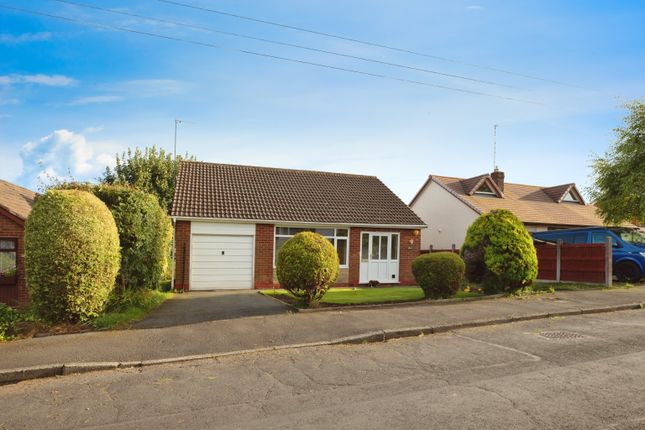
During a viewing, take note of practical details such as:
- The condition of pavements, roads and shared areas.
- Whether public lighting appears adequate and operational.
- How easily pedestrians can see entrances, corners and adjoining spaces.
- Whether vacant or poorly maintained properties are nearby.
- How enclosed or exposed side paths and access routes feel.
- How much ordinary activity takes place on the street.
- Whether parking arrangements create congestion or obstruct visibility.
- How clearly public and private areas are separated.
None of these observations should be treated as a standalone measure of crime. Their value is in helping you understand the physical layout and decide whether there is anything worth investigating further.
See the Neighbourhood Outside Viewing Hours
Estate-agent appointments are often scheduled for convenient daytime hours. That can hide important differences in how a location functions later in the day.
If the property remains a serious contender, return independently when practical. An evening visit can reveal changes in parking, pedestrian activity, lighting, traffic and noise that are difficult to judge during a short daytime appointment.
Consider more than one day if your schedule allows. A weekday evening, weekend afternoon and later evening may each show a different side of the same location.
The purpose is not to search for something frightening. Instead, imagine your normal routine: arriving home, walking to the car, taking the bins out, returning from work or walking to a nearby shop.
Think About Your Actual Journey Home
The front door is only one part of the experience. The route between the property and the places you regularly use may be more relevant to your everyday comfort.
If you expect to walk to a station, school, bus stop, supermarket or local high street, try the route yourself. Look at junctions, crossings, footpaths, lighting and areas where pedestrians might be separated from normal street activity.
Someone who regularly works late may assess a location differently from someone who is usually home before sunset. Likewise, a household with young children may place greater importance on pedestrian routes and traffic conditions.
Your research should therefore reflect your routine rather than an imaginary “average” resident.
Look Beyond the Crime Map
The surroundings can help explain why an area has the pattern shown in public records.
Nearby transport stations, busy roads, shops, pubs, schools, parks, public facilities and large car parks can all influence pedestrian movement and the number of people present in an area.
Future development matters as well. Proposed housing, road changes, commercial projects or redevelopment can alter traffic, parking, lighting and pedestrian movement after you have purchased the property.
Be Careful With Simplified Safety Scores
Websites that turn complicated local information into a single safety rating can be convenient, but the number needs to be treated cautiously.
Any rating depends on the data selected, the geographical area used and the method chosen to calculate the result. Two services can therefore produce different impressions of the same location.
A rating is most useful when it prompts a question. If the result looks unusually high or low, investigate the underlying categories and locations rather than accepting the score as a final answer.
The same caution applies to reassuring results. A low recorded-crime figure does not tell you whether the property suits your transport needs, whether the route home is comfortable or whether there are other local issues that matter to you.
Speak to People With First-Hand Experience
A conversation with someone who has lived on the street for several years can add context that a database cannot provide.
If an appropriate opportunity arises, ask ordinary practical questions rather than asking residents to judge whether the whole neighbourhood is “safe.”
- What is the street generally like after working hours?
- Are there recurring parking or noise problems?
- Are there particular public areas that become busy later in the day?
- Has anything significant changed locally in recent years?
- Are there planned changes residents are already aware of?
Treat individual stories as anecdotal evidence. Several consistent observations are more useful than one dramatic story, and resident comments should still be compared with reliable public information.
Know What a Crime Category Is Telling You
Category names can conceal a wide range of circumstances. Before deciding that a particular figure is serious, find out how the source defines the category and what information sits behind it.
For example, a theft figure may combine incidents with very different circumstances. Likewise, anti-social behaviour can refer to a range of complaints rather than one clearly defined type of event.
| Finding | Useful follow-up question |
|---|---|
| A noticeable cluster of reports | Does the cluster correspond with a particular road, facility or commercial area? |
| Repeated burglary records | Is there a persistent pattern, and are there practical security concerns worth checking? |
| Vehicle-related incidents | Are they associated with on-street parking, a public car park or another specific location? |
| Frequent anti-social behaviour reports | Do the records suggest a recurring location or merely scattered complaints? |
| Very little recorded activity | How complete is the dataset, and are there limitations in the way incidents are reported? |
Do a Second Visit Before You Commit
If your research raises questions, another visit is often more useful than spending another hour looking at property photos.
Return to the location and investigate the specific issue. If parking concerns you, observe the street when residents are likely to be home. If lighting is important, walk the route after sunset. If traffic is a concern, visit during the relevant commuting period.
This turns a vague concern into something you can actually assess.
Your Pre-Purchase Investigation Notes
Before making an offer, create a short record of what you have learned. Keeping notes helps prevent a strong first impression from overshadowing information discovered later.
- Record the main sources you used and the dates you checked them.
- Note which incident categories appear most frequently.
- Mark any apparent concentrations around specific locations.
- Compare recent information with older records where available.
- Visit the street during both daytime and evening conditions.
- Inspect lighting, visibility, access and parking arrangements.
- Test the routes you expect to use regularly.
- Check relevant planning and development information.
- Record useful observations from residents or other local sources.
- Write down unresolved questions before making your final decision.
Turn the Research Into a Personal Decision
Once you have gathered the information, resist the temptation to produce a single safety score of your own.
Instead, separate the evidence into three groups: things you are comfortable with, things you need to understand better, and things that could genuinely change your decision.
Then compare those findings with the way you expect to use the property.
Someone who drives everywhere may place less emphasis on a particular walking route than someone who commutes by train. A family with children may care strongly about traffic and pedestrian access. Someone who frequently returns home late may be much more interested in lighting and evening activity.
There is no universal checklist that can determine whether a location is right for everyone. The goal of neighbourhood research is to replace assumptions with enough useful information to make a decision that fits your circumstances.
Frequently Asked Questions
Where should I begin when checking a property’s local crime situation?
Begin with dependable public information for the smallest area available, then examine the roads immediately around the property. Follow that with an in-person visit so you can compare the records with the physical setting.
Is a neighbourhood safety rating enough to make a decision?
No. Treat a rating as an initial reference point. The underlying categories, geographical area, date range and methodology all matter, as does what you observe at the property itself.
How much of the surrounding area should I investigate?
Begin with the property’s street and nearby roads, then expand your research to the places you will regularly visit. The appropriate area depends on how the neighbourhood is laid out and how you intend to travel.
Is an evening viewing worth doing?
If you are seriously considering the property, an evening visit can be valuable. It lets you assess conditions that are difficult to judge during a standard daytime appointment, including lighting, parking, noise and pedestrian activity.
Does a low number of reported incidents prove that an area is safe?
No. Recorded figures describe reported and recorded events within a particular dataset. They cannot guarantee future conditions or capture every aspect of how a neighbourhood functions.
Are local residents worth speaking to?
They can provide useful first-hand context, particularly about recurring issues and how the area changes throughout the day. Their comments should be considered alongside, rather than instead of, reliable public information.
What should I do if my research uncovers something worrying?
First establish what the information actually means. Check the date, location, frequency and circumstances, then revisit the area if necessary. A specific concern is easier to evaluate when you know exactly what you are dealing with.
Make Neighbourhood Due Diligence Part of the Purchase
Looking into local crime should not turn a house search into an exercise in fear. It is simply another form of property due diligence.
Read dependable public records carefully, examine the immediate surroundings, visit at times that reflect your normal routine, and investigate anything that does not make sense. Combining those pieces of evidence gives you a much more useful picture than relying on a headline crime score or a single online opinion.
The result is not a guarantee about what will happen in the future. It is something more practical: a better understanding of the place you may eventually call home, and a clearer basis for deciding whether the property deserves to move forward.