How Much Down Payment Do You Need for an Investment Property?
Buying a rental usually takes more cash up front than buying a home to live in. This guide explains the minimums for investment properties, the closing costs and reserves that come on top, and how different down payments change your monthly numbers.
The short answer
- Expect to put down more than on a home you live in. Fannie Mae’s eligibility matrix limits investment-property purchases to 85% loan-to-value for a one-unit property (15% down) and 75% for two to four units (25% down). Individual lenders may require more.
- Closing costs and reserves come on top. The down payment is only part of the cash you need to bring to closing.
- A bigger down payment usually improves cash flow. It lowers the loan and the payment, but it also ties up more of your cash.
- Owner-occupied multi-unit buying is a different route. Programs such as FHA 203(b) cover one-to-four unit homes you will live in, with much lower down payments.
How much down payment do you need for an investment property?
For a conventional loan on a property you do not plan to live in, the minimum is generally higher than for a home you will occupy. Fannie Mae’s published eligibility matrix caps the loan-to-value ratio on investment-property purchases at 85% for a one-unit property and 75% for two to four units. Put another way, the minimum down payment is about 15% on a one-unit rental and 25% on a two-to-four-unit rental.
Those are program limits, not promises. Lenders can add their own requirements, and a weaker credit profile, a lower appraisal or an unusual property can push the required down payment higher. Many investors end up putting down 20% to 25% or more to qualify on better terms and to make the monthly numbers work.
Why lenders ask for more on a rental
When money is tight, people tend to protect the home they live in before a property they rent out. Lenders know this, so they treat rental loans as higher risk, which usually means larger down payments, higher interest rates than a primary-residence loan and a stricter look at your cash reserves. Rates and requirements change often, so get quotes from several lenders before you settle on a plan.
The down payment is not the only cash you need
Plan for the whole amount of cash you will need, not only the percentage down.
- Closing costs. Lender fees, title charges, appraisal and prepaid items commonly add up to a few percent of the price.
- Cash reserves. Lenders often require you to show money left after closing, typically measured in months of mortgage payments. The amount varies by loan and by how many properties you own.
- Repairs and make-ready costs. A property usually needs some work before the first tenant moves in.
- A personal buffer. Vacancies and surprise repairs are normal, so keep cash outside the lender’s requirement.
How the down payment changes your numbers
The table below uses a $250,000 house that rents for $2,400 a month, a 30-year loan at 7.0% and the expense assumptions from our cash flow guide. It also adds closing costs of 3% ($7,500). Mortgage insurance is not included, although it can apply when you borrow more than 80% of the property’s value.
| Down payment | Down payment ($) | Total cash needed | Loan amount | Monthly P&I | Annual cash flow | Cash-on-cash |
|---|---|---|---|---|---|---|
| 15% | $37,500 | $45,000 | $212,500 | $1,414 | $1,406 | 3.1% |
| 20% | $50,000 | $57,500 | $200,000 | $1,331 | $2,404 | 4.2% |
| 25% | $62,500 | $70,000 | $187,500 | $1,247 | $3,402 | 4.9% |
| 30% | $75,000 | $82,500 | $175,000 | $1,164 | $4,400 | 5.3% |
Each step up in down payment improves the cash flow, because the loan and the payment get smaller. But the cash-on-cash return improves only slowly, because you are also putting in more cash. Whether the extra down payment is worth it depends on what else your money could earn, and on how much cash you want to keep in reserve.
Ways people reduce the cash needed up front
House hacking with an owner-occupied loan
If you will live in one unit of a two-to-four-unit property, you may qualify for an owner-occupied loan with a much lower down payment. HUD’s FHA 203(b) program covers one-to-four unit properties and provides for roughly 96.5% financing, which implies about 3.5% down. It is intended for a principal residence, so you must plan to live there, and standard FHA credit and property requirements apply. Rental income from the other units may help you qualify, but the rules are detailed, so confirm them with a lender.
Income-based (DSCR) loans
Some lenders offer loans that qualify the property by its rental income instead of your personal income. These can help self-employed investors or people with several properties, but they often come with higher rates and larger down payments. Compare the full cost, not only the headline down payment.
Seller financing and partnerships
A seller who is willing to carry part of the price, or a partner who brings capital, can reduce the cash you need. Both arrangements need clear written terms and legal advice, and a partnership changes who shares in the profit and the risk.
Using equity you already have
Some investors use equity from another property to fund a down payment. That moves the risk onto assets you already own, so be sure you could handle both loans if income falls.
Before you decide how much to put down
- Get written loan estimates from at least three lenders for an investment property.
- Ask what the minimum down payment and reserves are for your exact situation.
- Add closing costs and make-ready repairs to the cash you will need.
- Run cash flow at 15%, 20% and 25% down so you see the trade-off.
- Keep cash after closing for vacancies and repairs.
- Stress-test the numbers with a higher rate and lower rent.
Common mistakes when funding a rental purchase
What to avoid
- Assuming the owner-occupied down payment applies: Investment loans have different rules.
- Forgetting reserves: Lenders and reality both require cash after closing.
- Using every dollar for the down payment: A thin cushion is the most common cause of forced sales.
- Ignoring mortgage insurance: Borrowing more than 80% of the value can add a monthly cost.
- Misrepresenting how you will use the property: Claiming owner-occupancy when you do not intend to live there can be treated as mortgage fraud.
Frequently Asked Questions
Can I buy an investment property with 5% down?
Generally not with a conventional loan on a pure rental. The published limits for investment properties are far stricter than that. Low down payments exist for owner-occupied homes, including small multi-unit buildings you will live in, but not for properties you will only rent out.
Is 20% down required for an investment property?
Not necessarily. Fannie Mae’s limits allow 15% down on a one-unit investment property, but lenders can ask for more, and 20% to 25% is common because it improves pricing and cash flow.
Do I need a bigger down payment for a duplex?
If you will not live there, yes. Fannie Mae’s matrix limits investment purchases of two-to-four unit properties to 75% loan-to-value, meaning 25% down. If you will live in one of the units, an owner-occupied loan may allow far less.
Do investment property loans have higher interest rates?
Typically yes. Lenders usually charge more for a rental than for a primary residence, which is another reason to run your cash flow with a realistic rate.
What reserves do lenders require?
It varies by loan program and by how many financed properties you own. Often it is expressed in months of mortgage payments. Ask your lender what applies to you.
Where can I compare different down payment scenarios?
The Property Decision Dashboard lets you change the down payment, rate and rent and see the monthly cost update. The BRRRR and Flip Calculator helps if you plan to renovate and refinance.
Plan the whole amount of cash, not only the percentage down
The minimum down payment on a rental is higher than most first-time investors expect, and it is only the beginning of the cash you will need. Closing costs, reserves and repairs all have to be paid for as well.
The smartest approach is to compare a few down payment levels, see how each changes cash flow and your remaining cash, and choose the one that leaves you comfortable if something goes wrong.
Your next step: Open the Property Decision Dashboard, enter a property you are considering, and compare cash flow at 15%, 20% and 25% down.
Sources and further reading
These resources provide additional information on the topics covered in this guide.
Read more posts
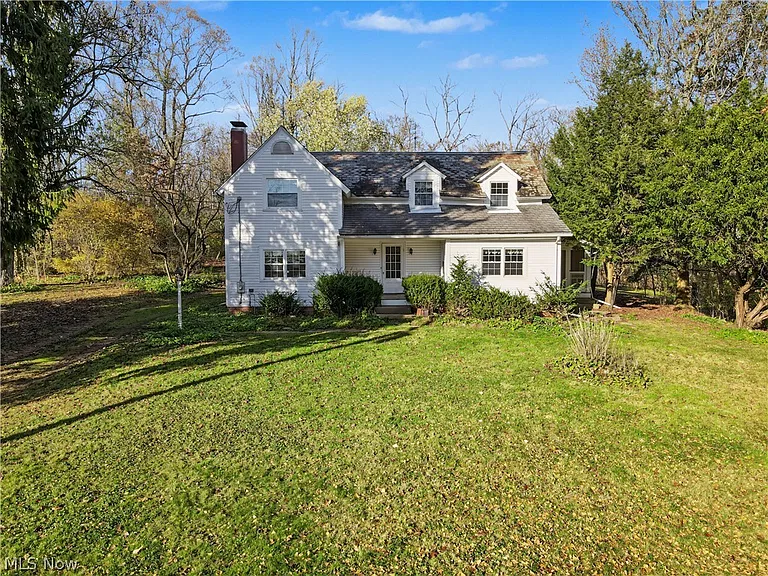
Wooded Colonial Home on 17 Acres with Protected Land in Akron, Ohio — $425,000
Akron, Summit County, Ohio A 1910 Colonial with 17.9 Wooded Acres and Protected Land Set on 17.9 wooded acres in…
Mountain-View Home on 11.23 Private Acres Bordering Cherokee National Forest in Unicoi, Tennessee — $479,900
Mountain-View Home on 11.23 Private Acres Bordering Cherokee National Forest in Unicoi, Tennessee Set high in the mountains of Unicoi,…
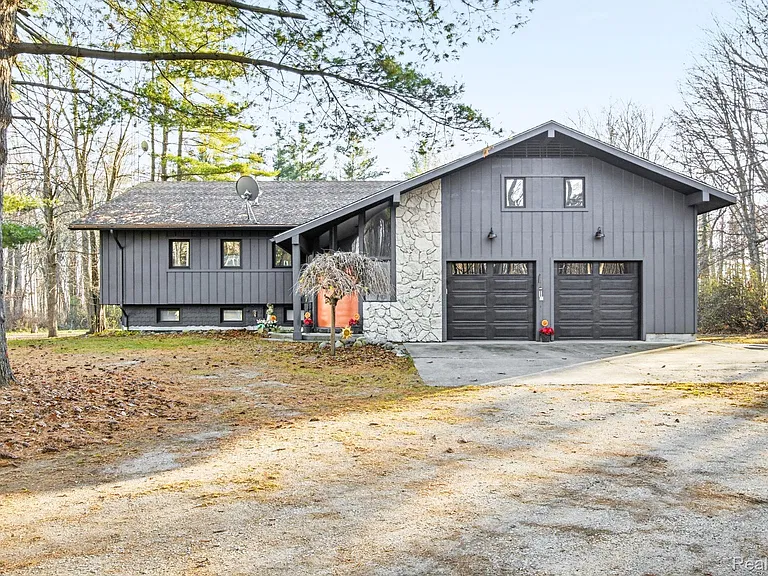
Remodeled Wooded Retreat with Pond, Pole Barn and 10.97 Acres in Columbus, Michigan — $469,900
Columbus Township · St. Clair County · Michigan A remodeled home with a pond, wooded acreage and room for projects…
Join the conversation
Seen this place, or thinking about it? Share what you know, ask a question, or tell us what you would check first.