The Slow Disappearance of Orchard View Apartment
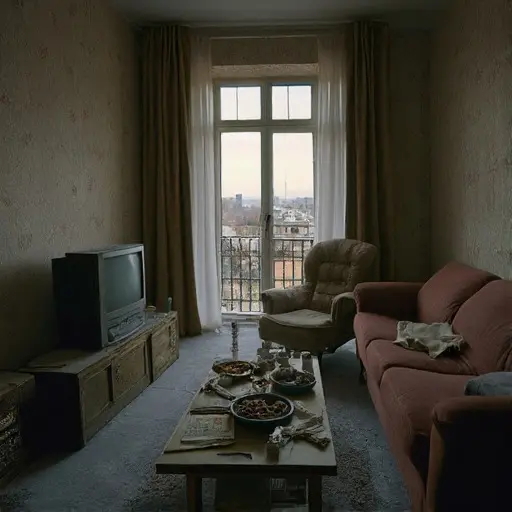
The apartment on the sixth floor of Orchard View belonged to the Demir family for almost twenty-five years. Hasan Demir worked nights as a bakery delivery driver while his wife Leyla prepared lunches for students at a nearby primary school. Their youngest son Kerem spent most afternoons on the balcony listening to football matches through a small portable radio while watching buses move through the district below.
For years, the apartment looked almost identical to every other home in the building.
Small.
Crowded.
Comfortable enough.
Kerem’s Balcony Radio
Seven things remained inside long after the family left: Hasan’s delivery jacket hanging beside the front door; Leyla’s handwritten recipes taped inside the kitchen cabinet; Kerem’s radio resting near the balcony chair; a cracked hallway tile near the bathroom; unpaid pharmacy receipts stacked beside an ashtray; faded family photographs tucked behind the television; and a broken standing fan pointed toward the living room window.
The building itself started declining slowly after the textile warehouse nearby closed during the early 2000s. Many families in the district depended on those jobs directly or indirectly. Small grocery shops disappeared first. Then the pharmacy downstairs shut permanently. Public maintenance around the neighborhood became inconsistent after that.
Elevators stopped working regularly.
Pipes leaked through several floors during winter.
More apartments emptied every year.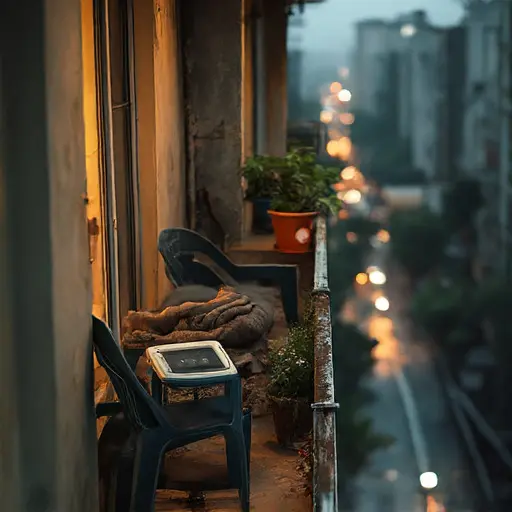
By 2006, Hasan had developed chronic back pain from years of overnight lifting work. Leyla continued working at the school cafeteria but eventually reduced her hours after caring for her aging mother across town became too difficult to manage alongside everything else.
Kerem left first for university.
Neighbors later remembered Leyla keeping his room untouched for several years afterward.
The apartment became quieter after that.
People in the building mostly saw Hasan smoking on the balcony during late evenings while Leyla watered plants that slowly stopped growing well because of the poor sunlight between surrounding towers.
After a major plumbing failure flooded several units during a particularly cold winter, the Demirs finally moved into a smaller ground-floor flat closer to Leyla’s family.
They planned to renovate Orchard View eventually.
But they never really recovered financially enough to return.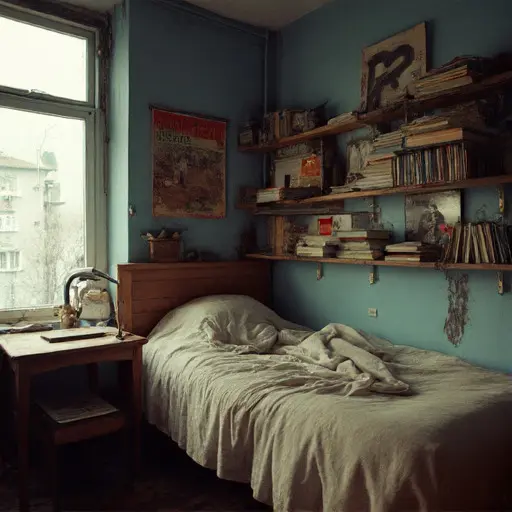
When contractors finally entered the apartment years later, most of the furniture was still there.
The kitchen cupboards still held spices.
The balcony chair still faced the street.
And inside Kerem’s old room, a note written by Leyla remained taped beside the light switch:
“Don’t forget your scarf if it gets windy tonight.”