Dust Gathered Slowly Inside the Tailor’s Flat Above Kestrel Street
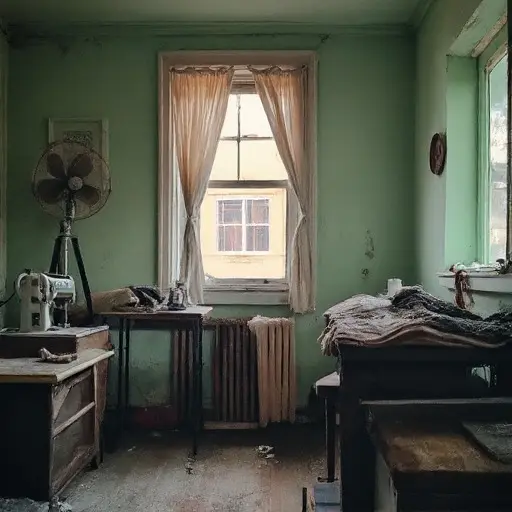
The apartment above Number 18 on Kestrel Street belonged to the Velasco family for almost forty years. Arturo Velasco worked as a neighborhood tailor specializing in school uniforms and suit alterations, while his wife Lina repaired curtains and bedding for nearby guesthouses during the tourist season. Their daughter Sofia spent most evenings doing homework beside the sewing table while the radio played softly near the kitchen doorway.
People in the district knew the apartment mostly because of the constant sound of sewing machines through the open summer windows.
The lights stayed on late almost every night.
Sofia’s Desk Beside the Curtain Rack
Seven things remained inside the flat years later: Arturo’s tailoring chalk resting beside folded jacket patterns; Lina’s pin cushions lined carefully near the sewing machine; Sofia’s language textbooks stacked beside the window desk; a cracked ironing board leaning against the hallway wall; unpaid rent adjustment notices folded beneath old receipts; faded postcards taped beside the kitchen clock; and a half-finished navy school blazer still hanging near the curtain rack.
The family’s difficulties started after tourism in the district declined sharply following a major airport relocation during the early 2010s. Smaller hotels closed first. Restaurants followed slowly afterward. Many local businesses that depended on seasonal visitors struggled to survive.
The Velascos kept working from home as long as possible.
But orders became less frequent every year.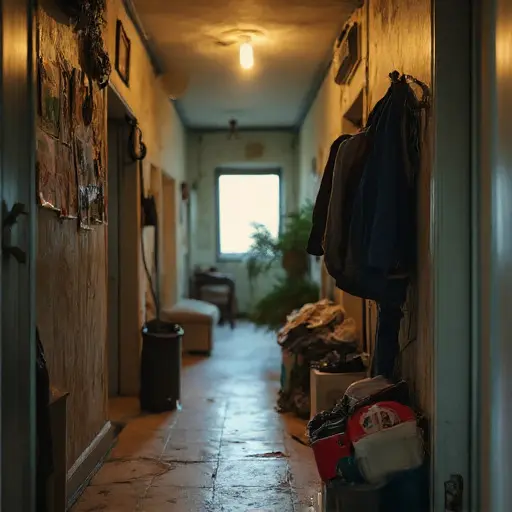
By 2015, Arturo’s eyesight had worsened enough that detailed tailoring became difficult. Lina reportedly continued taking smaller repair jobs from old customers, but most of their longtime clients had either moved away or started buying cheaper factory-made clothing from larger stores outside the city center.
Sofia eventually relocated overseas for office work.
Neighbors later remembered Arturo still opening the sewing room windows every morning even after he had mostly stopped working.
After repeated increases in building maintenance fees and a severe plumbing leak damaged part of the apartment ceiling, the couple finally moved into assisted housing closer to Sofia and her children.
They left quickly, expecting the move to be temporary.
It never was.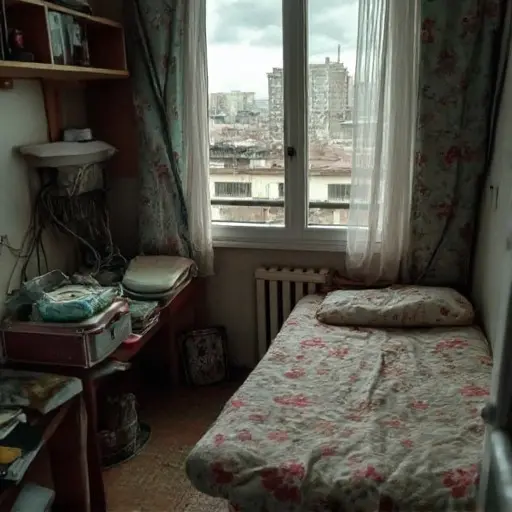
When contractors eventually entered the apartment years later, most things remained exactly where the Velascos had left them.
The sewing machine was still threaded.
The radio still sat beside the kitchen.
And pinned carefully to the unfinished blazer near the curtain rack was one final handwritten reminder from Arturo:
“Check Sofia’s sleeve length one more time before delivery.”