The Rotten Mystery of White Chapel Farm
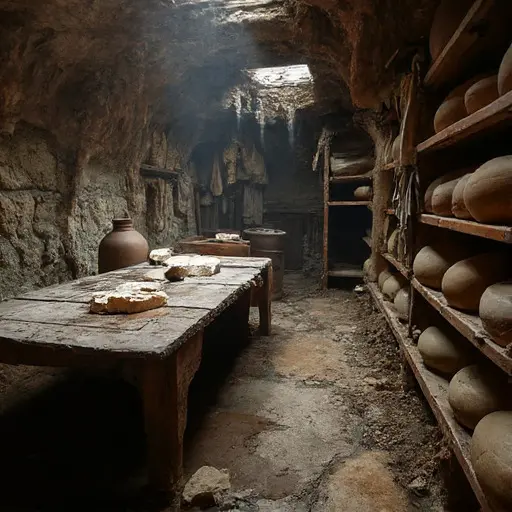
The word batches appeared repeatedly throughout the production logs left behind by dairy farmer Henrik Solberg, who operated White Chapel Farm with his wife Marta and their twin sons Elias and Nils during the difficult rationing years after the war. Their farmhouse became known across the valley for producing aged cheeses stored deep beneath the property in naturally cooled stone cellars.
The business survived shortages better than most nearby farms.
Until the spoilage began.
Elias Solberg and the Lower Cellar
Seven details remained behind to explain the family after the farm was abandoned: Henrik’s aging hooks resting beside unopened wax rounds; Marta’s recipe journal left near the kitchen stove; Elias’s muddy work boots abandoned beside the cellar staircase; a cracked milk thermometer leaking mercury onto stone tiles; unpaid transport invoices tied beneath twine; damp footprints leading repeatedly toward the sealed storage tunnel; and a final warning written sharply inside Henrik’s dairy ledger reading, “Do not move the final batches once the smell reaches the upper rooms.”
Nobody in the valley understood what he meant.
Several neighboring farmers later claimed Henrik accepted contaminated milk shipments during a livestock epidemic that spread across surrounding pastures in the spring of 1950. According to local rumor, some cheese wheels stored in the lower cellar began swelling unnaturally despite freezing temperatures underground.
Elias reportedly stopped sleeping upstairs afterward.
Villagers claimed lights could still be seen moving beneath the farm after midnight.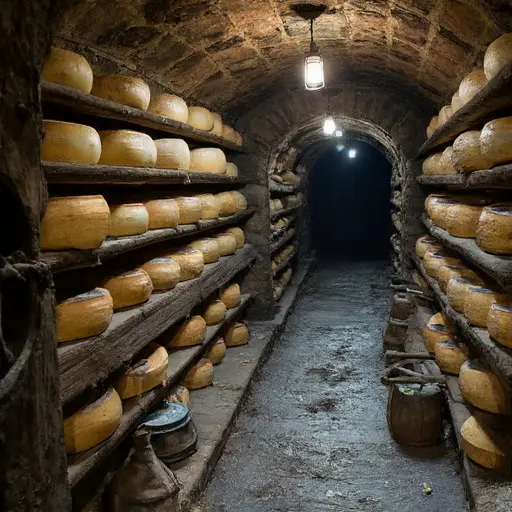
The Winter of the Rot
The Solberg family decline accelerated after a severe livestock disease swept through the region during one of the wettest winters local farmers could remember. Entire herds were slaughtered. Supply roads flooded repeatedly beneath constant rain.
Yet smoke reportedly continued rising from White Chapel Farm every night.
Several villagers later claimed they heard heavy movement beneath the cellar floors long after the dairy operation officially closed.
Then Elias vanished first.
Henrik, Marta, and Nils disappeared before dawn three days later.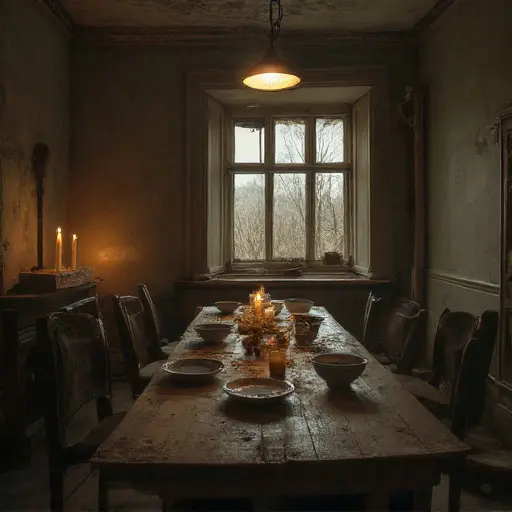
When authorities eventually forced open the sealed lower storage tunnel months later, every aging rack inside remained carefully arranged.
Except one.
The final wheel from Henrik Solberg’s last recorded batches had disappeared completely.
The final page of Henrik’s dairy ledger mentioned the batches only once more before ending abruptly:
“Something below the cellar keeps feeding after the rot begins.”