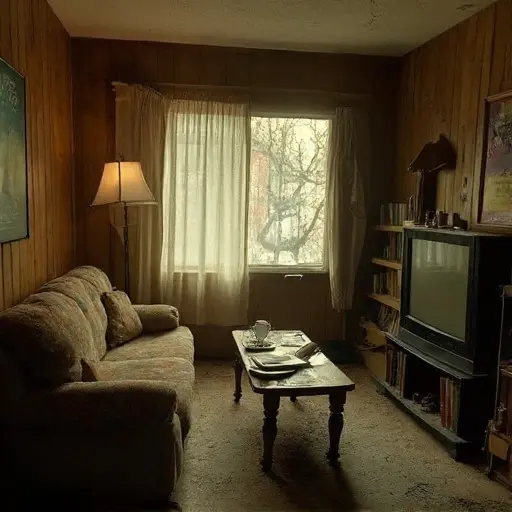
The house behind the Rialto Cinema belonged to the Saban family for almost four decades. Kemal Saban operated the projector booth at the theater while his wife Derya sold tickets and snacks from the small lobby counter downstairs. Their youngest daughter Selin grew up spending evenings in the back rows of the cinema watching films through the glow leaking from the projection room above.
For years, the building was one of the busiest places in the neighborhood.
Especially during summer weekends when lines stretched around the block.
Selin’s Shelf Beside the Television
Seven things still remained inside the house long after it was abandoned: Kemal’s cinema flashlight stored beside the hallway cabinet; Derya’s handwritten snack inventory lists folded inside kitchen drawers; Selin’s VHS collection stacked near the television; a cracked wall clock hanging above the dining table; unpaid renovation estimates resting beneath old newspapers; fading water rings across the wooden floor near the balcony door; and a box of unused movie tickets tucked beneath the sofa.
The neighborhood started changing slowly after a modern shopping center opened on the edge of the city during the early 2000s. Smaller businesses near the cinema struggled first. Cafés closed. Foot traffic disappeared. Eventually, fewer people came to the Rialto except older residents who had visited for years.
The theater survived longer than most expected.
But not by much.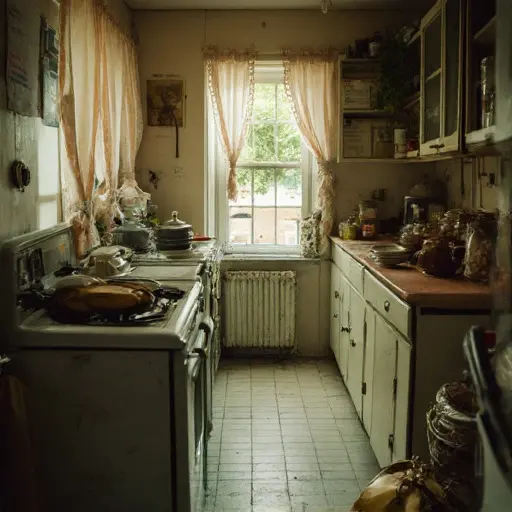
By 2008, leaking pipes and roof damage had begun affecting several apartments around the theater block. Kemal reportedly continued repairing parts of the projection equipment himself even after management reduced staff and canceled weekday screenings.
Selin eventually moved abroad for work in graphic design.
Derya later developed arthritis that made climbing the steep staircase difficult during winter.
After the cinema finally shut permanently following a severe electrical fire in the basement storage area, the Sabans relocated temporarily to stay with relatives across the city.
They intended to return after repairs.
But the building never reopened.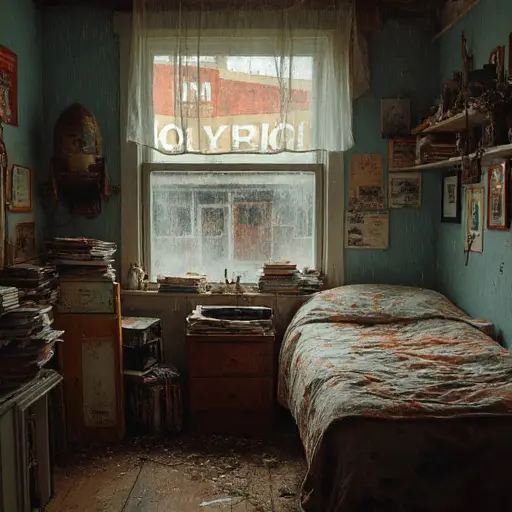
Years later, when contractors entered the property during redevelopment planning, much of the house still looked almost ready for the family to come back.
The curtains were still drawn the same way.
The VHS tapes remained alphabetized.
And inside the kitchen cabinet, Derya had left a note written on the back of an old cinema flyer:
“Don’t forget to turn the hallway light off before the late showing.”
