How to Find a House That Fits Your Lifestyle
Finding the right house is about more than bedrooms, bathrooms and square metres. The right home should fit your daily routine, preferred location, budget, maintenance expectations and plans for the future.
Two houses can look equally appealing online and feel completely different once you imagine living in them. One might have a beautiful kitchen but a difficult commute. Another might have less impressive finishes but a layout that makes everyday life easier. A third could have plenty of space but require more maintenance than you realistically want to take on.
That is why finding a suitable home starts with your lifestyle rather than the property itself. Before comparing kitchens, gardens or finishes, think about how you spend an ordinary week and what you need your home to make easier.
- Start with your daily routine, not a property wishlist.
- Separate essential features from features that would simply be nice to have.
- Consider location and travel time as part of the home itself.
- Look carefully at layout, storage, maintenance and running costs.
- Think about how the property could work for you several years from now.
- Visit promising homes more than once when possible, especially at different times of day.
Start With the Way You Live
The easiest way to narrow your search is to stop thinking about houses as lists of features and start thinking about your everyday routine.
Ask yourself what a normal weekday looks like. Where do you spend most of your time? Do you work from home? Do you cook frequently? Do you entertain friends? Do you need quiet rooms for children, hobbies or study? Do you prefer spending weekends maintaining a garden, or would you rather have as little outdoor work as possible?
These questions can quickly reveal which properties are likely to suit you and which ones will create unnecessary compromises.
Think About Your Mornings
If several people need to leave at the same time, a single bathroom or awkward hallway can become a daily frustration. Think about where everyone gets ready and how easily people can move through the house.
Think About Your Evenings
If you regularly cook, relax with family or work late from home, consider whether the living areas and kitchen support those routines rather than simply looking attractive in photographs.
Think About Your Weekends
Your ideal house should also suit the way you spend your free time. That might mean outdoor space, a garage, a quiet study, nearby restaurants or easy access to parks and walking routes.
Think About Your Energy
A large property can provide more space but also more cleaning, heating, repairs and general upkeep. Consider whether you actually want the responsibilities that come with the extra space.
Create Three Lists Before You Search
A long wish list can make almost every property appear unsuitable. Instead, divide your requirements into three simple categories: must-haves, strong preferences and bonuses.
1. Must-Haves
These are features that genuinely affect whether the house can work for you. They might include a maximum travel time, a minimum number of bedrooms, accessibility requirements, a suitable school location, outdoor space or a particular property type.
Keep this list short. If everything is labelled essential, it becomes difficult to make sensible comparisons.
2. Strong Preferences
These are features you would actively look for but could compromise on if the rest of the property works. Examples might include a larger kitchen, an additional bathroom, a separate office or a preferred architectural style.
3. Bonuses
These are the features that would make you particularly happy but should not determine the entire purchase. A beautiful view, stylish finishes, a large island or a landscaped garden may be valuable to you, but they should be weighed against more practical considerations.
If removing a feature would make you immediately reject the house, it probably belongs on your must-have list. If you would still consider the property without it, it may belong in one of the other categories.
Location Is Part of the House
A property does not stop at its front door. Its location determines how much time you spend travelling, what services are nearby and how easily the home fits into your routine.

When comparing locations, think beyond the postcode. Consider the routes you regularly use and how they feel at the times you actually travel.
Work and Commuting
Calculate the real journey rather than relying only on the distance shown on a map. Traffic, public transport connections, parking and walking time can all change the experience.
Daily Essentials
Think about supermarkets, pharmacies, healthcare, schools, childcare and other services you use regularly. Convenience matters most when it is part of your ordinary routine.
Leisure
If you regularly exercise, walk, meet friends or spend time outdoors, look at whether the surrounding area supports those habits.
Noise and Activity
A quiet street during a daytime viewing may feel different during commuting hours or on a weekend evening. When possible, visit the area at different times.
If location is one of your biggest priorities, decide how much travel you are genuinely willing to accept before you start viewing homes. This prevents an attractive property from persuading you into a routine you already know you would dislike.
Look at Layout, Not Just Room Count
Two homes with the same number of bedrooms can function very differently.
A house might technically have four bedrooms, for example, but one could be too small for your intended use. A large open-plan living area may be ideal for entertaining but less useful if you need a quiet place to work. A separate dining room may be valuable to one household and unnecessary to another.
During a viewing, imagine your actual furniture and routines rather than simply walking from room to room.
- Where would the sofa go?
- Where would you work?
- Where would coats, shoes and bags be stored?
- Could the kitchen handle the way you cook?
- Would the bedrooms provide enough privacy?
- Is there enough storage for the things you already own?
- Would the layout still work if your household changed?
Good layout is often more important than impressive room dimensions. A well-planned smaller house can be easier to live in than a larger property with wasted or awkward space.
Pay Attention to the Features You Cannot Easily Change
Decorations can be changed. Walls, windows, orientation, access and the position of major rooms can be much harder or more expensive to alter.
That makes the underlying structure of a property particularly important.
Natural Light
Notice where daylight enters the home and how that affects the rooms you use most. A bright living room can feel very different from a dark one, even when the floor area is similar.
Privacy
Look through windows and consider the relationship with neighbouring properties, roads and public spaces. Privacy can be difficult to create if the basic positioning does not support it.
Access
Think about stairs, entrances, parking, garden access and the practical movement of furniture or deliveries into the property.
Storage
Storage is easy to underestimate during a short viewing. Open wardrobes and attractive furniture do not necessarily mean the home has enough practical storage for everyday life.
Consider the Total Cost of Living There
The purchase price is only one part of deciding whether a house fits your lifestyle.
A property can fit your budget on paper but still feel expensive to live in if it requires significant maintenance, has higher energy demands or needs immediate improvements.
Before making a decision, consider the broader costs associated with the property, including routine maintenance, utilities, insurance where applicable, property-related charges and any work you already expect to undertake.
You do not need to predict every future expense. The goal is to avoid looking only at the asking price while overlooking the financial demands of actually owning the home.
| Area to Consider | Questions to Ask Yourself |
|---|---|
| Maintenance | How much ongoing upkeep will the house and outdoor space require? |
| Energy | Does the size and condition of the property suit the way I want to manage household costs? |
| Repairs | Are there obvious areas that may need attention soon? |
| Improvements | Would I want to change the kitchen, bathroom, flooring or other major areas immediately? |
| Outdoor Space | Will I use the garden or outdoor area enough to justify the work involved? |
Do Not Choose a House Only for Your Current Routine
Your lifestyle today matters most, but a home is usually a long-term decision. It is worth considering how your needs could change over the next few years.
You might start working from home more often. Your family could grow. Children may become teenagers and need more privacy. You might begin caring for a relative. You may simply want more space for hobbies or guests.
This does not mean buying the biggest property you can afford just in case. It means checking whether the home has enough flexibility to accommodate reasonable changes.
A spare room that works as an office today could become a bedroom later. A flexible reception room could serve as a playroom, study or guest space. A property with adaptable outdoor space may offer more options than one designed around a single use.
Use Property Viewings to Test Your Lifestyle

Photos are useful for narrowing your search, but a viewing is where you test whether a property actually works.
Try to slow down rather than rushing through every room. Stand in the spaces you would use most. Open cupboards. Look at storage. Check how rooms connect. Pay attention to noise and natural light.
If you work from home, imagine spending an entire working day there. If you cook frequently, look at the kitchen from a practical point of view. If you have children, think about supervision, storage and the journey between bedrooms and shared spaces.
- Walk through the house as if you were following your normal morning routine.
- Check whether your essential furniture could realistically fit.
- Look inside built-in cupboards and storage areas.
- Notice natural light in the rooms you would use most.
- Listen for traffic, neighbours and other surrounding noise.
- Look at the condition of features that could be expensive to replace.
- Walk around the immediate area if time allows.
- Write down concerns immediately rather than relying on memory later.
Common Mistakes to Avoid
Falling for the Finish
A freshly renovated kitchen or beautifully staged living room can make a property memorable. But finishes are only one part of the decision. Always return to location, layout, condition and your actual requirements.
Buying More Space Than You Need
Extra space can sound appealing, but every additional room can mean more cleaning, heating, furnishing and maintenance. Make sure the additional space has a realistic purpose.
Ignoring the Daily Journey
A house can look perfect on a Saturday afternoon and become frustrating if the weekday commute is consistently difficult. Test the journey before becoming emotionally attached to the property.
Assuming Problems Can Easily Be Fixed
Some changes are straightforward. Others involve planning, structural work, significant expense or may not be practical at all. Before assuming that a property can be transformed, investigate what the proposed change would actually involve.
Making the Decision Too Quickly
There is a difference between acting decisively and ignoring concerns because you are afraid another buyer will appear. If something important does not feel right, investigate it before committing.
Compare Homes by Lifestyle Fit
When you have viewed several properties, it can become surprisingly difficult to remember which one had which advantages. A simple comparison can make the decision more objective.
| Factor | House A | House B | House C |
|---|---|---|---|
| Location | How well does it fit my routine? | How well does it fit my routine? | How well does it fit my routine? |
| Layout | Does the space work naturally? | Does the space work naturally? | Does the space work naturally? |
| Maintenance | What level of upkeep is involved? | What level of upkeep is involved? | What level of upkeep is involved? |
| Future Flexibility | Could it adapt to likely changes? | Could it adapt to likely changes? | Could it adapt to likely changes? |
| Overall Practicality | What works particularly well? | What works particularly well? | What works particularly well? |
You do not need to give every category a numerical score. Sometimes simply writing down the strongest advantage and biggest concern for each property is enough to reveal which homes genuinely fit your priorities.
Frequently Asked Questions
How do I know if a house really fits my lifestyle?
Think about your normal routine and test the property against it. Consider commuting, cooking, working, relaxing, storage, outdoor space, maintenance and the way your household uses rooms every day.
Should I prioritise location or the house itself?
Both matter, but location is usually harder to change. If a property’s position creates a daily problem that you already know you will dislike, a beautiful interior may not solve it.
How many bedrooms should I look for?
Choose based on how you realistically expect to use the rooms rather than simply aiming for the highest number you can afford. A flexible extra room can be useful, but unnecessary space also brings additional costs and upkeep.
Should I compromise on my wish list?
Some compromise is normal when buying a home. The important distinction is between compromising on a preference and compromising on something that genuinely affects whether the property works for you.
Is a larger house always better?
No. More space can be useful, but it can also mean more maintenance, higher running costs and rooms that are rarely used. The useful amount of space depends on your household and routine.
Should I visit a property more than once?
If possible, a second visit can be valuable. Different times of day can reveal changes in light, traffic, noise and activity that are difficult to judge during a single viewing.
Make the House Work for Your Life
The right property is not necessarily the one with the most bedrooms, the newest kitchen or the largest garden. It is the one whose location, layout, condition, costs and available space make sense for the way you intend to live.
Start with your routine. Define what you genuinely need. Separate those needs from preferences, then assess each property against the same practical questions.
Most importantly, imagine an ordinary Tuesday rather than an ideal holiday weekend. Where will you park? How will you get to work? Where will you leave your shoes? Where will you prepare dinner? Where will you work, relax, store your belongings and spend time with the people you live with?
Those ordinary details are often what determine whether a house feels right long after the excitement of the viewing has passed.
Explore Homes on BeyondVisit
Once you know what type of home fits your lifestyle, you can search more confidently and focus your attention on properties that match your priorities.
Browse Property ListingsRead more posts
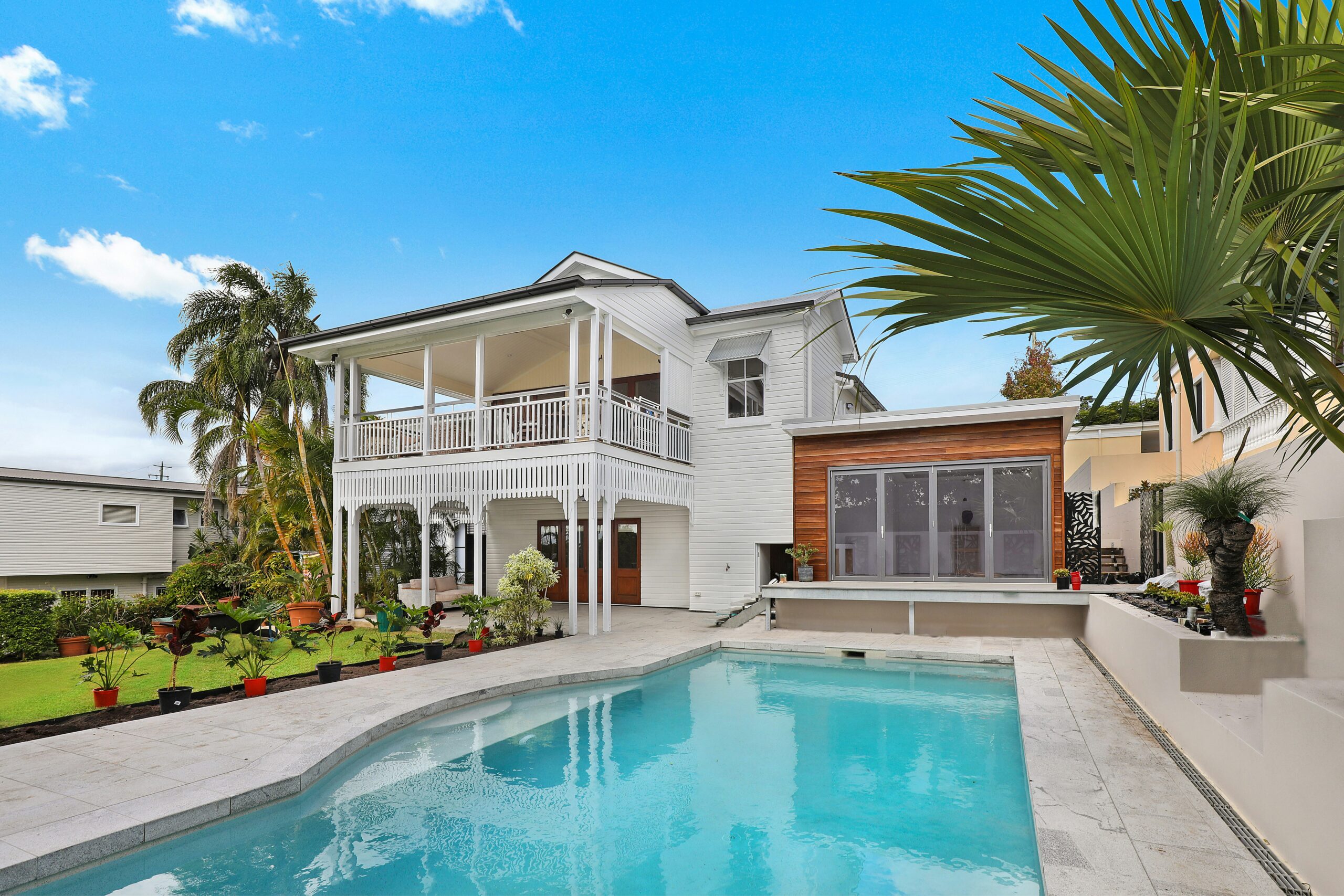
How to Find a House That Fits Your Lifestyle
0 (0) Property Guide How to Find a House That Fits Your Lifestyle Buying a Property Practical Guide For Buyers…

How to Find a House That Fits Your Lifestyle
0 (0) Home Buying Guide How to Find a House That Fits Your Lifestyle Look beyond bedrooms and finishes and…

How to Know When You’re Ready to Buy a House
0 (0) Home Buying Guide How to Know When You’re Ready to Buy a House Buying a home is a…