Windscath House Builder Dispute Remains Unresolved
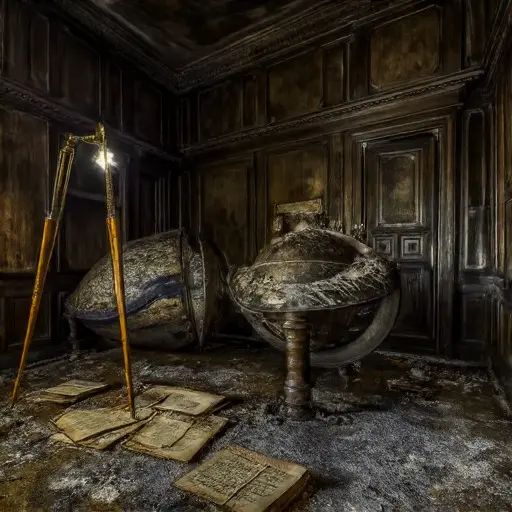
Windscath House, built overlooking the industrial valley of the River Tyne in 1888, was the short-lived domicile of Mr. Thomas Alderson, a key figure among the local Ship Builders. The property, a handsome Queen Anne style villa, was intended as a permanent symbol of his success in naval construction. Its historical beauty lies in the intricate use of high-quality imported teak and brass fittings, materials normally reserved for the vessels he constructed. The house’s quiet unease stems from its brief, contested occupation. Alderson moved in late 1889 but officially vacated the property barely two years later in 1891. Court documents from the time refer cryptically to an ‘Unusual Termination of Contract’ between Alderson and his lead Engineer, a disagreement so profound and financially ruinous that the entire estate was left frozen, its future ownership unresolved and its contents untouched.
Evidence of Physical Sabotage
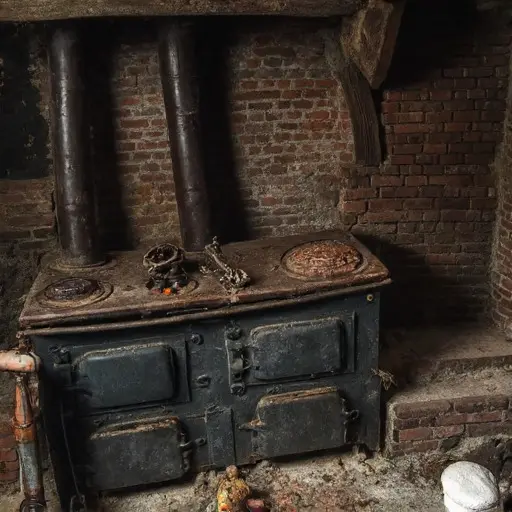
Examination of the house’s utility areas reveals physical evidence of an internal struggle. In the boiler room, which supplied the house’s advanced steam heating system, the connections for the main heating circuit are visibly and deliberately damaged, with evidence of heavy tool marks on the high-pressure brass couplings. Tucked inside a defunct dumbwaiter shaft, restorers discovered a small, locked mahogany box containing three heavily encrypted telegrams, all dated within two weeks of the house’s abandonment, referencing ‘patent interference’ and ‘structural integrity breach.’ The telegrams were sent to an unknown recipient in Rotterdam. More crucially, pinned to a water-stained cupboard door in the master bedroom, was a detailed, technical drawing—a diagram of a highly specialized type of marine rivet known only to rival Ship Builders. This contradictory physical evidence suggests that the final disagreement was not merely professional but involved industrial espionage and possible criminal interference, leaving the underlying cause of the split unresolved.
The Lawyer’s Missing Statement
The final, compelling clue is found in the legal documentation surrounding the house. The official records note a civil suit filed by the disgruntled Engineer against Alderson, claiming theft of proprietary design for a new, revolutionary hull structure. The suit was withdrawn without prejudice, an extremely rare action suggesting a powerful, external influence. The crucial missing piece is the initial sworn statement from Alderson’s Lawyer. A fragment of this statement, preserved in a sealed, lead-lined cylinder buried under the drawing-room hearth, states only that the structure of Windscath House “was not incidental to, but instrumental in, the security failure.” This highly ambiguous phrasing, combined with the evidence of physical tampering, the encrypted telegrams, and the house’s immediate abandonment, strongly suggests the house itself was the repository of the contested industrial secret, making the dispute unresolved because the evidence was sealed within the building. The house stands as a perpetual question mark over the integrity of Victorian commerce and the methods used by rival Ship Builders.
