Wemyss Croft Documents Detail Displaced Family
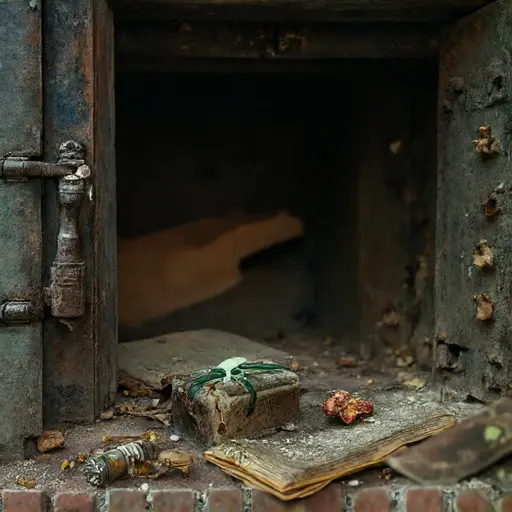
Wemyss Croft, built in 1855, is a sturdy, yet unassuming, stone house notable only for its isolation and its brief, tumultuous history under the ownership of Mr. Elias Hemlock, a successful Butcher supplying the burgeoning railway towns. The historical beauty of the property is defined by its robust, practical construction—thick stone walls and solid oak beams—reflecting the owner’s grounded profession. The quiet unease, however, is palpable in the property’s records. Hemlock and his family are known to have fled the house under ambiguous circumstances in 1862, abandoning not only the house but his thriving business. Archival records from the time show a complex but ultimately displaced trail of ownership, with the house formally passing through three different hands in the two years following Hemlock’s disappearance, none of whom ever resided there.
The Abandoned Butchery Tools

The house’s most compelling material clues are found in its professional artifacts. In the scullery, the entire collection of Hemlock’s high-quality steel Butchery tools was left rusting on the preparation block. This documented human complication suggests a sudden, non-elective flight, as such expensive tools were rarely abandoned. More significantly, tucked into a small wooden box marked “Salt Provisions” was a ledger detailing Hemlock’s transactions. The ledger shows a sequence of high-volume sales of preserved meats to an unnamed, unlisted mining camp roughly sixty miles distant—sales that bypassed all official market channels. The final entry, dated May 1862, notes a payment of a substantial sum, followed immediately by a single, anxious note scribbled in the margin: “The Cart is Displaced.”
The Governess’s Scored-Out Diary
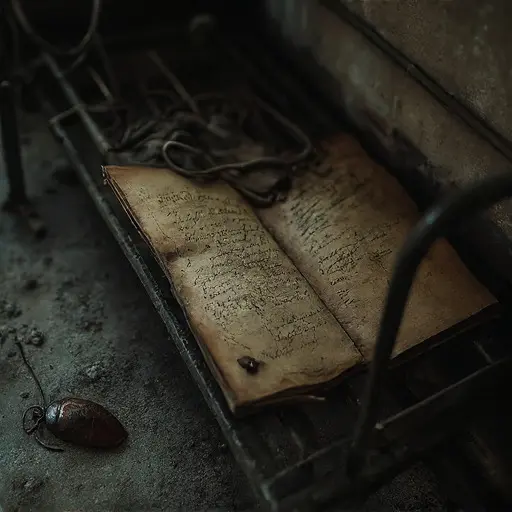
A final layer of ambiguity is added by the discovery of a small diary belonging to the family’s Governess, Miss Eleanor Cope, found hidden under a floorboard. The diary’s final pages, dated shortly before the flight, contain a long, passionate entry that has been aggressively struck through with ink, leaving only the words “The Debt is Paid” and “They must not trace the Butcher.” The industrial tool, the unlisted meat sales, the cryptic ledger note, and the desperate diary entry collectively suggest that the family’s flight was not arbitrary but the result of a sudden, dangerous, and likely criminal settlement involving his private business dealings. The Butcher and his family were displaced by external forces, leaving behind only the silence of their abandoned tools and the legal erasure of their name from the house’s ownership records.
