The Wrenfield Gothic Townhouse Left Behind in the Garden
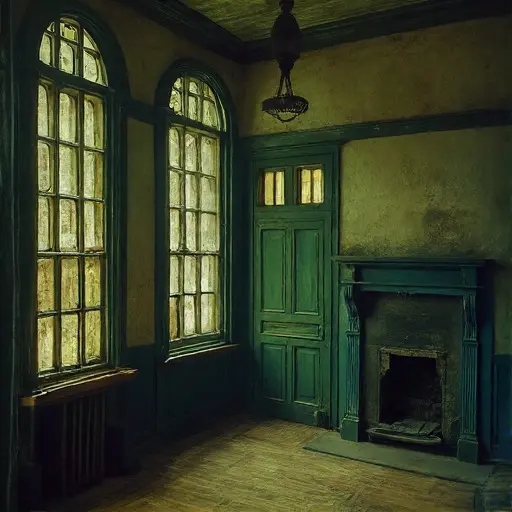
The Wrenfield Townhouse was constructed in the late nineteenth century within a quiet suburban district that was gradually being absorbed by unchecked vegetation and slow urban retreat. Built in the Victorian Gothic Revival style, it emphasized verticality and restraint, with a narrow façade, clustered chimneys, and pointed-arch fenestration that gave the home a disciplined architectural presence despite its modest footprint. The household consisted of a small family supported by a part-time caretaker responsible for both interior maintenance and the intimate garden space at the side of the property.
Daily life was concentrated within the front parlor and upper bedrooms, where correspondence, meals, and domestic planning followed a steady, predictable rhythm. For years, the townhouse remained stable, its materials aging slowly but evenly under consistent upkeep.
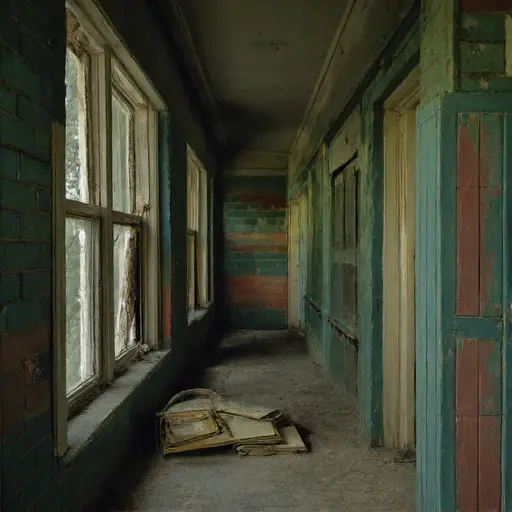
By the late 1920s, the Wrenfield Townhouse began to experience gradual decline as financial stability weakened and maintenance demands exceeded available resources. The combination of damp climate, aging masonry, and delicate wooden trim required constant upkeep, which was increasingly deferred. Portions of the upper floors were used less frequently, leading to a slow consolidation of daily life into the lower parlor and kitchen spaces. Exterior maintenance of the garden also diminished, allowing grape vines, hydrangeas, and moss to spread unchecked across pathways and structural edges. Correspondence regarding bills, repairs, and tenancy matters accumulated without response. Over time, the townhouse shifted from a carefully maintained residence into a partially neglected structure marked by quiet, steady deterioration.
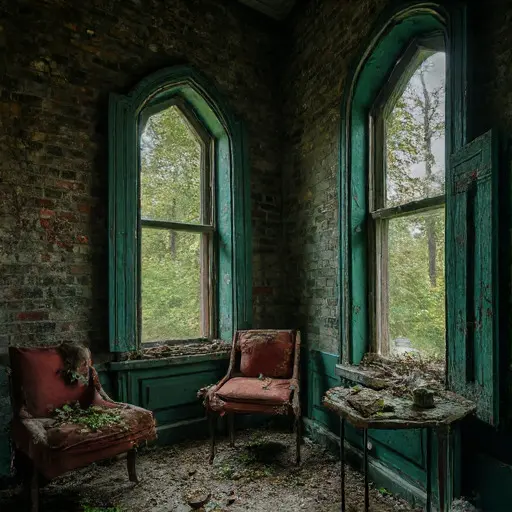
By the early 1940s, following prolonged financial hardship and unresolved inheritance disputes, the Wrenfield Victorian Gothic Townhouse was fully abandoned. No restoration efforts were undertaken, and the property remained legally unsettled, preventing any redevelopment or sale. Vegetation from the surrounding overgrown garden gradually merged with the structure, while seasonal weather accelerated deterioration of brick, wood, stone, and iron elements. Interior furnishings and documents were left in place, preserving the final years of decline in quiet detail. No occupants returned, and the townhouse continues to stand empty at the suburban forest edge, slowly being reclaimed by ivy, vines, and encroaching silence.