The Willowmere Farmhouse Forgotten Beside the Quiet Lake
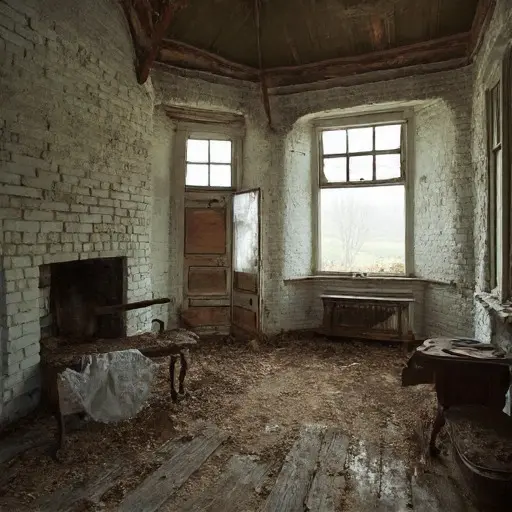
The Willowmere Farmhouse was completed in the closing years of the nineteenth century by a family that settled beside the lake to cultivate vegetables, keep dairy cattle, and harvest reeds for local basket makers. Built from durable whitewashed brick strengthened with flint stone accents and crisp white mortar, the house reflected modest prosperity through its broad rounded copper roof, lace-like porch trim, and welcoming wraparound veranda. Three generations lived beneath its gently curving roof, sharing work between the lakeshore fields and nearby market villages.
The surrounding willows sheltered livestock from prevailing winds, while the lake supplied water and fish that supplemented the family’s seasonal income.
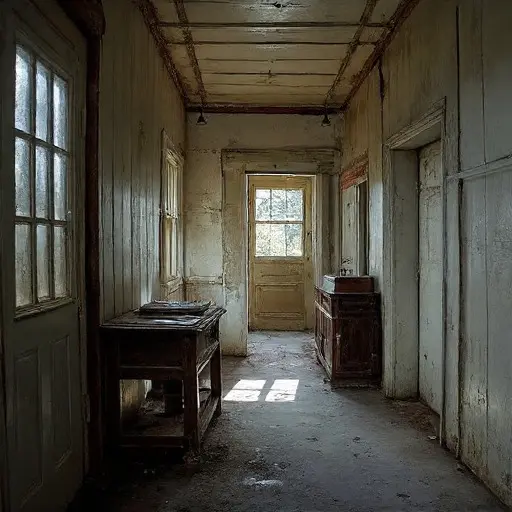
During the difficult years of economic depression, falling agricultural prices and repeated floods along the lakeshore steadily eroded the family’s livelihood. Livestock numbers were reduced, orchards were neglected, and maintenance of the farmhouse slowed with every passing season. The broad copper roof developed small leaks that stained ceilings, while porch columns weakened beneath climbing vines. Bills accumulated faster than harvest income, forcing the closure of several upstairs rooms to conserve firewood. One by one the younger family members departed for employment elsewhere, leaving only the elderly parents to occupy a shrinking portion of the house. After illness claimed the final residents, legal disputes over inherited farmland delayed any sale, allowing neglect to continue unchecked.
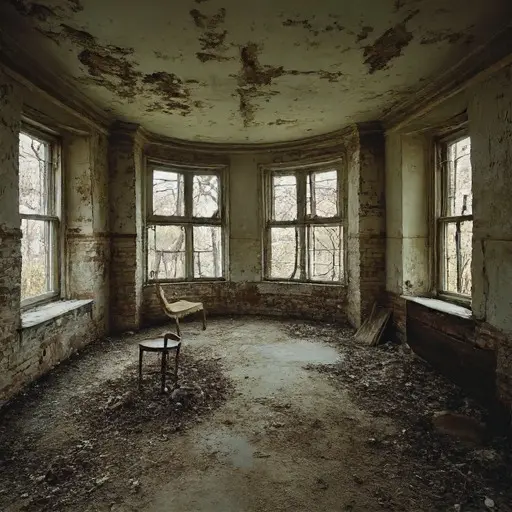
By the early 1950s, the Willowmere Farmhouse had become permanently abandoned. No restoration was undertaken because ownership remained unresolved and the cost of stabilizing the aging structure exceeded its remaining agricultural value. Furniture, family records, and everyday household belongings slowly deteriorated where they had been left. The lakeshore continued reclaiming the neglected property as vines climbed higher, birds nested beneath the eaves, and reeds advanced toward the weathered split-rail gate. Today the farmhouse still overlooks the quiet water, standing empty beneath its aging copper roof, its future unresolved as time steadily erases the last traces of those who once called it home.