The Vanquished Lemoine House
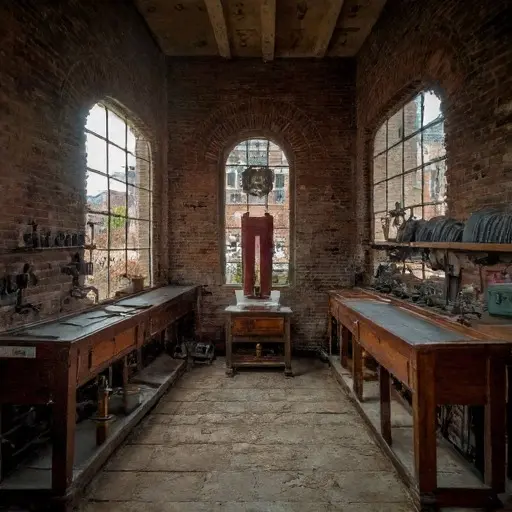
The Lemoine House was constructed in 1901 along a secondary canal network outside Utrecht for Willem Lemoine (1866–1912), a hydraulic toll accountant employed by municipal waterway authorities to calculate passage fees for barges, grain transports, and industrial shipments moving through the interconnected Dutch canal system.
The villa functioned as both residence and administrative toll station, where Lemoine and his assistants recorded watergate usage, vessel weight estimates, and canal passage schedules used to regulate trade flow and maintenance funding for regional waterways. His household included his wife Johanna and his assistant Pieter van Dijk, both responsible for maintaining toll registers, canal traffic logs, and hydraulic revenue balances.
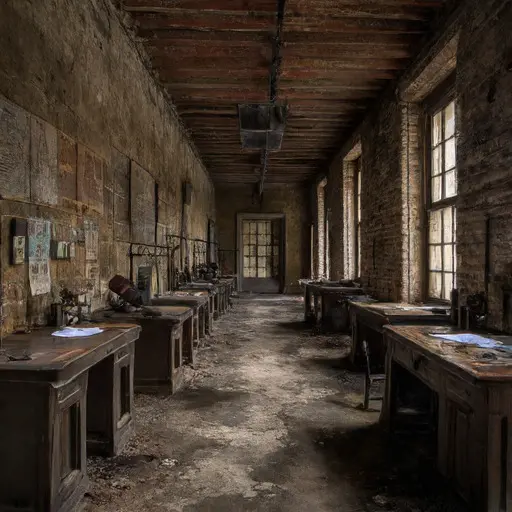
The turning point came in 1909 when national canal modernization programs introduced automated sluice gate control and centralized waterway taxation systems, removing the need for local toll accountants stationed along individual canal segments.
At the same time, railway freight expansion reduced commercial reliance on canal transport, leading to a sharp decline in barge traffic and rendering detailed manual toll calculations economically unnecessary.
Toll records stopped being requested. Canal fees were processed elsewhere. The villa’s accounting station was quietly decommissioned.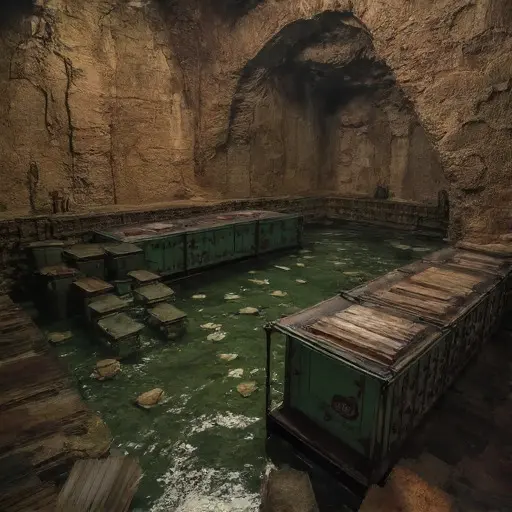
By 1912, Willem Lemoine was formally dismissed from municipal waterway service following the dissolution of local canal toll offices and the consolidation of national hydraulic administration systems.
Inside the final toll ledger, inspectors found an incomplete passage record for a barge that never completed its journey through the canal network.
The Lemoine House remains abandoned along the canal, its records drifting in stagnant water, its systems obsolete, and its rooms slowly dissolving into brick, tide, and silence.