The Townhouse at Bellmont Avenue
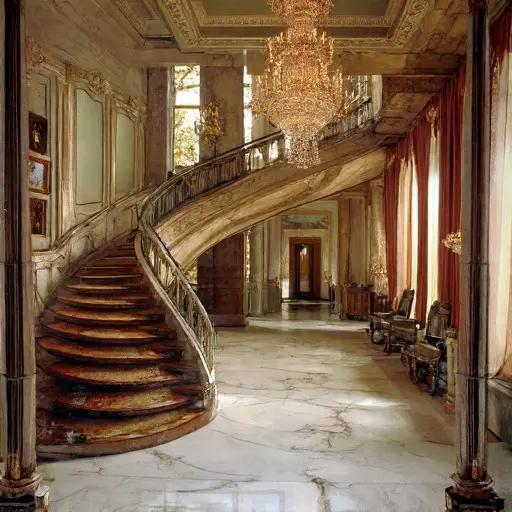
The Bellmont townhouse was completed in 1913 for Theodore Whitaker, a respected publisher and financial investor who wanted a residence that represented both tradition and modern sophistication. Unlike the sprawling estates built outside growing cities, Theodore chose a prominent residential avenue where his family could remain connected to schools, businesses, and cultural institutions. The mansion combined the symmetry of Georgian Revival design with the dramatic rooflines and decorative details of Second Empire architecture, creating a home that appeared both powerful and welcoming.
Theodore lived there with his wife Clara, their son Edward, and their youngest daughter Rose. The townhouse quickly became known throughout the avenue for its elegant gatherings, seasonal dinners, and carefully maintained gardens. The rocking chair beneath the entrance canopy belonged to Clara, who often spent afternoons watching neighbors pass along the street. Inside, the oval tower contained a small music room where Rose practiced piano, while the upper floors held guest suites used during family celebrations.
The Whitaker family’s wealth came from publishing enterprises, commercial property investments, and several successful financial partnerships. For years, the mansion remained in excellent condition, with craftsmen regularly maintaining the marble facade, slate mansard roof, copper details, and intricate bronze fixtures. The household employed several workers who managed the formal rooms, gardens, and extensive maintenance required by the impressive townhouse.
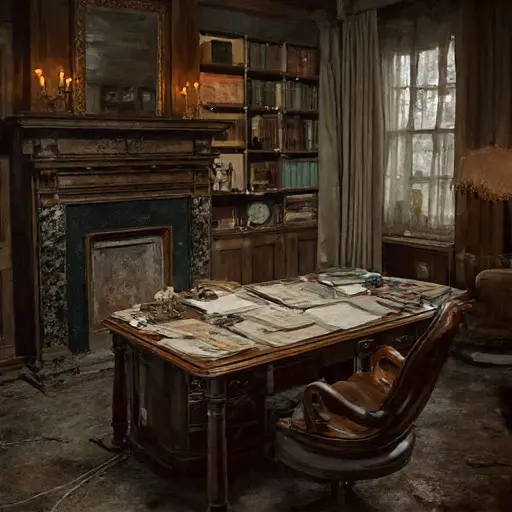
The family’s fortunes changed during the economic instability of the early 1930s when several investments lost value and publishing revenues declined. Theodore attempted to protect the business by using personal assets, but mounting debts slowly affected the household. Staff numbers were reduced, rarely used rooms were closed, and repairs to the copper roof, stone balustrades, and aging mechanical systems were postponed.
After Theodore became seriously ill in 1936, control of the family’s finances became uncertain. His son Edward wanted to sell the townhouse, while Clara hoped to preserve the home where the family had spent decades. Their disagreement delayed important decisions as unpaid taxes accumulated and maintenance costs continued increasing. When Theodore passed away, the estate entered a complicated legal process involving creditors and distant relatives.
By 1941, the family had completely left Bellmont Avenue. Most valuable furnishings were removed through auctions, while the remaining property changed hands several times without any successful restoration effort. Developers considered converting the townhouse into offices, but the cost of repairing the marble structure and historic interiors prevented any plans from moving forward.
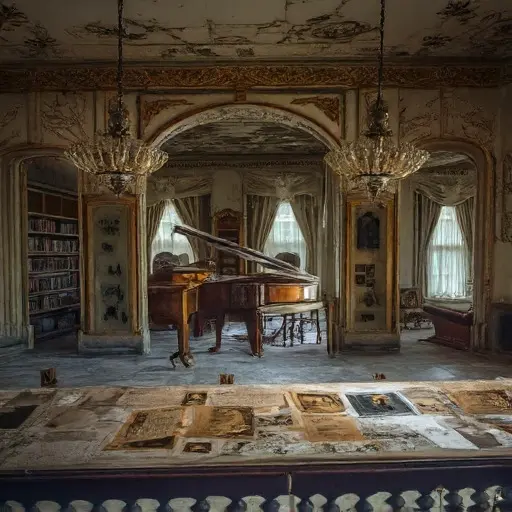
Today, the Townhouse at Bellmont Avenue remains quietly standing among newer residences and changing city streets. The rusted mailbox still marks the entrance, the marble urns remain surrounded by overgrown plants, and the faded rocking chair beneath the canopy continues to face the sidewalk where the Whitaker family once greeted guests.
Although restoration specialists have recognized the mansion’s architectural importance, the cost of preserving its marble facade, mansard roof, and intricate interiors has kept the building empty. The townhouse survives as a forgotten piece of another era, holding the memory of a family whose ambitions shaped the residence but whose story eventually faded behind its closed doors.