The Stratified Mesa Carving of the Aurora Cliff Manor
An abandoned Victorian mansion rises from a wind-carved coastal plateau under a soft cobalt-pearl dusk gradient, where the sky is evenly matte and free of glare. The environment is raw and exposed—ocean gusts push through dense mats of tall grass that cling to stone shelves, bending in synchronized waves across the cliffside. The entire scene feels carved rather than built, as if architecture and geology were never separate disciplines.
The manor is a single stratified cliff-carving, low and wide, formed entirely through layered exterior stonework rather than traditional enclosed construction. Stacked ledges slide outward in stepped cascades, producing a terraced façade that behaves like a frozen geological event.
There is no central volume—only continuous outward stratification that reads as both structure and landscape.
Roof geometry is reduced to razor-thin ornamental ridges and segmented crest-plates that run along the upper edge like a ceremonial spine embedded into the horizon line. These elements do not cap the building so much as annotate it, reinforcing the sense that the entire manor is an exposed imperial incision in the cliff face.
The façade is composed of aurora-magenta mineral bands, lithic-turquoise basalt glazing strips, and solar-lime enamel fractures arranged in jagged heraldic formations. These patterns resemble imperial insignias embedded into stone, not decoration but territorial memory expressed through mineral logic. Light remains flat and diffuse, allowing color to feel embedded rather than illuminated.
The surrounding plateau is austere and elemental. Wind never stops moving across the surface, flattening grass into directional layers that echo the building’s stratification. At the cliff approach stands a shattered prism-iron triumphal marker, split into angular shards that still form a broken boundary line, as if marking the edge of a vanished authority that once defined this coastline.
Interior glimpses
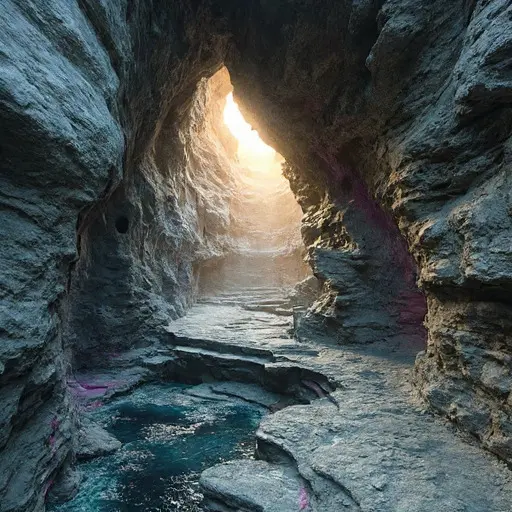
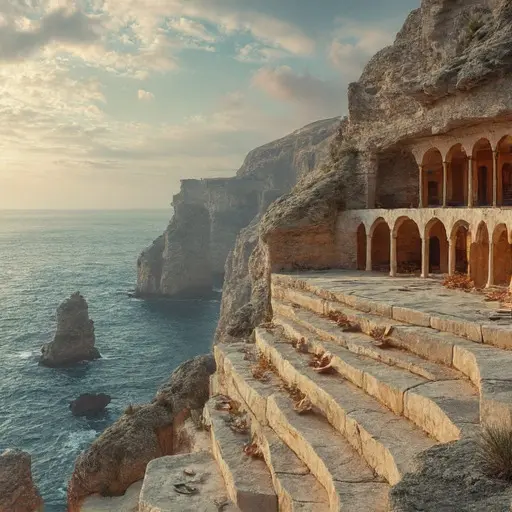
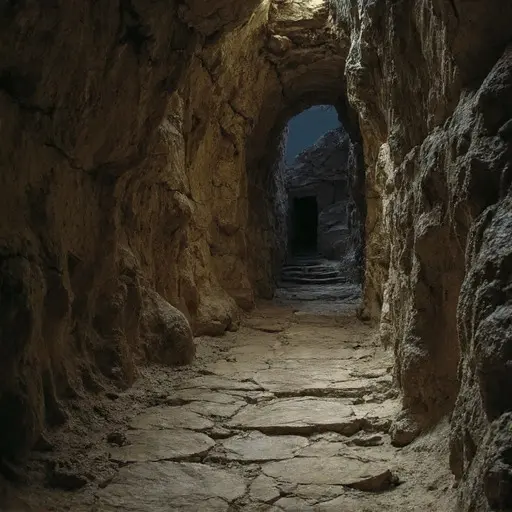
Inside, the structure is less a building and more a carved sequence of geological chambers. Rooms exist as terraces within stone, each layer slightly offset, creating a sense of continuous horizontal movement rather than vertical progression. The architecture behaves like landscape that has been edited into aristocratic form.
There is no decay beyond natural erosion of wind and salt. No collapse, no supernatural presence—only a monumental Victorian cliff carving preserved as a geological artifact of a forgotten dynasty, whispering authority through exposed stone, layered color, and the persistent geometry of the coast itself.