The Silent Morel House
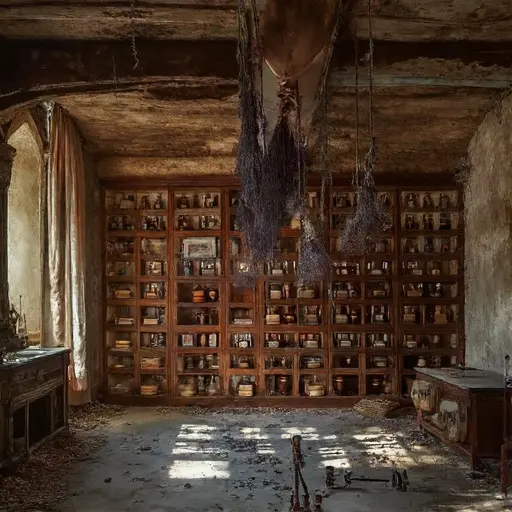
The Morel House was built in 1900 outside a lavender-growing district in southern France for Étienne Morel (1866–1911), a perfume storage registrar employed by regional fragrance exporters to catalog floral oil reserves, monitor aging batches, and verify scent consistency before international shipment.
The villa functioned as both residence and fragrance archive, where Morel and his assistants recorded extraction yields, storage temperatures, and blending ratios for lavender, jasmine, and rose oils purchased from surrounding estates. His household included his wife Camille and his assistant Julien Fabre, both responsible for maintaining export inventories and sealed storage ledgers.
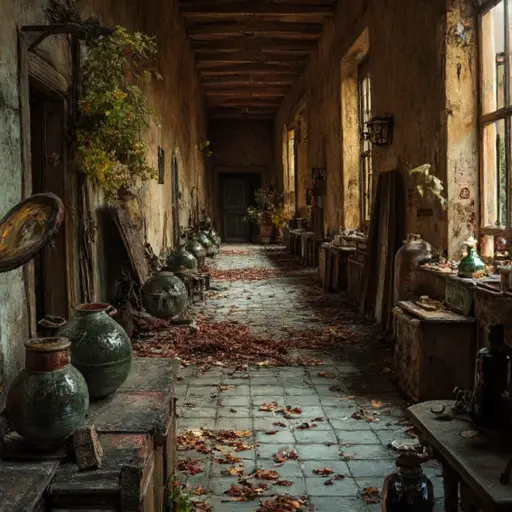
The turning point came in 1908 when industrial synthetic fragrances became widely adopted by major Parisian perfume firms, sharply reducing demand for expensive natural oil storage and regional blending operations.
At the same time, several spoiled export shipments traced to improperly sealed transport barrels damaged the reputation of smaller provincial fragrance registrars, including Morel’s office.
Contracts were withdrawn without renewal. Storage deliveries stopped arriving. Entire cabinets of bottled perfume remained sealed and unsold inside the villa.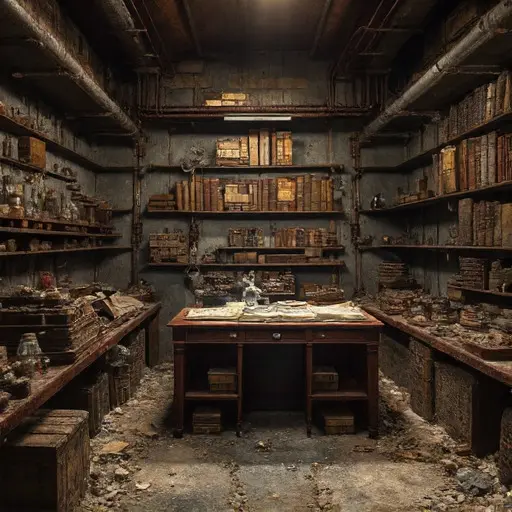
By 1911, Étienne Morel was removed from the regional export registry after independent fragrance storage offices were dissolved throughout the district.
Inside the final inventory ledger, inspectors found an unpaid shipment order for lavender oil that had already evaporated from its cracked bottles.
The Morel House remains abandoned among the lavender fields, its fragrances spoiled in darkness, its records incomplete, and its rooms slowly fading beneath dust, oil, and heat.