The Silent Grief of Atheria’s Spire
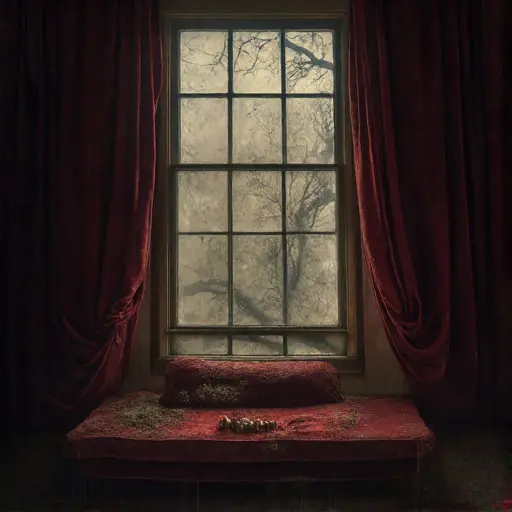
Atheria’s Spire rose sharply against the gloomy skyline, an elegant, almost delicate structure of pale gray stone, characterized by its multiple narrow turrets and high, arched windows. It stood apart, surrounded by a dense, suffocating grove of ancient pines. The name evoked a sense of sharp, ethereal height, yet the house itself felt profoundly grounded in sorrow. Entering the main hall, the air was cold, sterile, and carried a faint, residual odor of medicinal alcohol and beeswax. The silence was immediate and absolute, a thick blanket that absorbed all sound. Every surface felt polished by time, yet coated in an untouchable film of neglect. This abandoned Victorian house was an edifice of preserved grief, where the memory of loss was the only enduring presence.
The Widow’s Endless Vigil
Atheria’s Spire was the home of Eleanor Vance, a woman whose life was tragically redefined in her early twenties. She was the young, devoted wife of a naval captain who was lost at sea shortly after the house’s completion in the 1870s. Eleanor’s life as a profession was not one of commerce or art, but of perpetual mourning—a societal role enforced and sustained by her wealth and seclusion. Personally, she was intensely sentimental and utterly devoted to the memory of her husband, Captain Alaric Vance. Her connection to the mansion was simple but devastating: she vowed to keep the house in a state of eternal readiness for Alaric’s impossible return, turning the grand estate into a monument to his absence.
The Captain’s Study of Stagnant Time
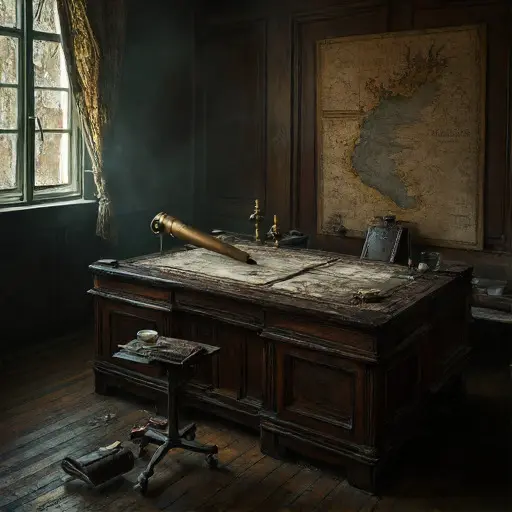
The Captain’s Study was preserved with almost religious fervor. His desk, his telescope, even his favorite armchair remained exactly as he had left them. We found Eleanor’s private diary inside the desk drawer, wrapped in a faded naval handkerchief. Her entries detailed a life lived backward, counting the days since his departure, charting fictitious routes for his return. She never spoke of moving on; only of waiting. She meticulously wound the ship’s chronometer every day for fifty years, though it was never allowed to run, kept forever stopped at the precise moment Alaric’s ship was reported lost. The silence of the study was a permanent, ritualistic act of refusal.
The Grand Ballroom’s Final Dance
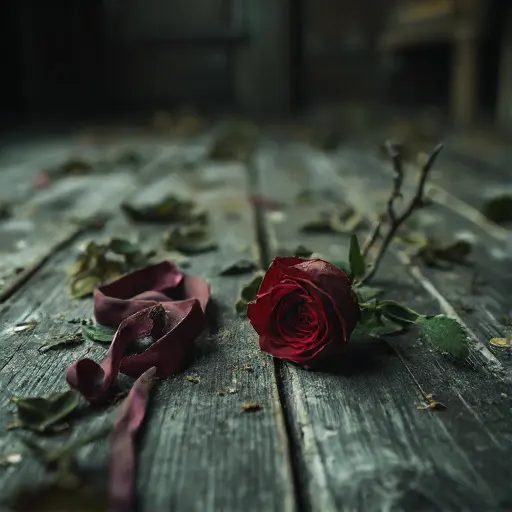
The grand ballroom, a room meant for life and celebration, was the final stage of Eleanor’s grief. She stopped allowing light into the room entirely after the first decade of her vigil. We discovered her final journal entry hidden beneath the loose floorboard of the musician’s dais. It spoke of her decision to end her wait. But not by leaving. She chose to host one final event—a dance, just for herself and Alaric. The vast, dusty space held one final, poignant clue: near the center of the room, amidst the dust and shadows, a single, perfectly preserved, crimson rose lay on the floor, dried and brittle, placed there decades ago. It marked the place where she imagined their last waltz. Eleanor Vance never left the house; she simply became another silent object within its walls, concluding her endless vigil by finally joining the memory she so desperately preserved. The silent grief of Atheria’s Spire is the pervasive stillness that marks the end of a lifetime spent waiting for a door that would never open.