The Silent Cartouches of the Almeida Calligraphy Chamber

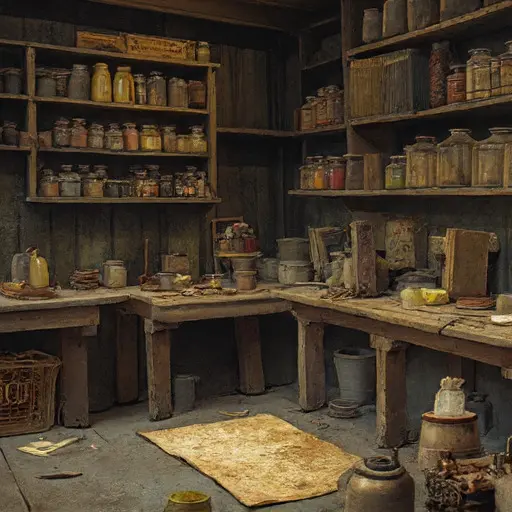
The Calligraphy Chamber exudes quiet, tools and manuscripts frozen mid-script. A partially finished illuminated letter rests on a desk, its stroke left uncompleted, edges curling with the weight of years.
Lines of a Dedicated Hand
These instruments belonged to Isabel Almeida, calligrapher (b.
1877, Lisbon), trained in a private atelier yet providing illuminated manuscripts, correspondence, and ecclesiastical scrolls for urban patrons. Her precise Portuguese notes track pen angles, pigment ratios, and letter spacing. A slip referencing her niece, Ana Almeida, “collect manuscript Tuesday,” indicates meticulously structured days, with careful practice and repetitive drills to refine each flourish. The meticulous organization of inks, quills, and pigments reflects Isabel’s disciplined temperament, yet also her growing vulnerability to fatigue and strain.
Tools Aligned for Elegance
On the central desk, quills, brushes, pen knives, and small palettes lie arranged by size and function. Partially completed manuscripts lean against ink-stained blotters. A ledger beneath folded sheets lists commissions, parchment sizes, and intended stroke widths. One illuminated initial shows delicate gold leaf partially applied, halted mid-process, suggesting sudden interruption of work. Tiny notes in margins indicate her intention to return the following day, yet they remain ignored. Small droplets of pigment on the desk mark where careful strokes were abruptly abandoned.
Decline of Precision
Later ledger entries reveal inconsistent letter proportions, smudged pigments, and hurried annotations. Several manuscripts show uneven gold leaf application; a note—“client query unresolved”—rests beneath a half-finished scroll. Failing eyesight, hand tremors, and fatigue gradually undermined Almeida’s careful craft, leaving strokes uncompleted, pigments unblended, and manuscripts abandoned mid-illumination. Marginal sketches and correction marks appear increasingly hasty, a quiet testament to her struggle to maintain exactitude.

In the Calligraphy Chamber’s final drawer, Almeida’s last stroke record ends abruptly, notes, corrections, and illustrations left unfinished. A penciled note—“finish for Ana”—stops mid-word, abandoned without explanation.
No record explains why she ceased her craft, nor why Ana never collected the manuscripts.
The house remains abandoned, quills, pigments, and parchments frozen in quiet incompletion, every line and flourish suspended, awaiting hands that will never return, the silent chamber heavy with absence and halted artistry.
