The Seabreak Manor Left Empty After Coastal Isolation
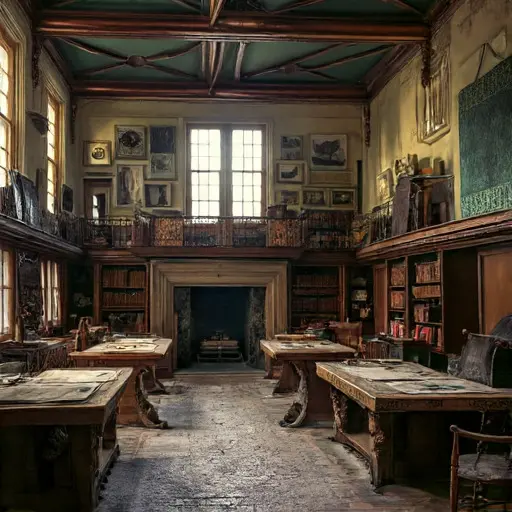
Seabreak Manor was constructed in 1906 on a broad coastal plateau overlooking a rugged shoreline where sea winds crossed uninterrupted limestone ground before meeting the cliffs. Built by the Hatherleigh family, whose livelihood depended on coastal shipping contracts and regional trade connections, the manor served as both residence and administrative center for their business affairs. Its pearl-ivory stonework and burnished copper roof were selected for durability against harsh maritime weather, while its elevated position provided a commanding view of shipping routes that once passed close to the coast.
The surrounding plateau supported only sparse agricultural activity, leaving the estate relatively isolated from nearby villages. Despite this, the manor thrived for many years due to the family’s commercial success and dependable shipping income. Household records indicate a stable family structure consisting of three generations living under one roof, with daily routines centered around trade management, property maintenance, and coastal observation.
For nearly two decades, the house remained a symbol of quiet prosperity rather than extravagance. The broad terrace facing the sea served practical purposes, allowing visual monitoring of vessels and weather patterns. Inside, rooms were carefully maintained, and detailed records documented the steady flow of business that supported the estate.
Gradual economic decline
By the mid-1920s, changes in transportation infrastructure began affecting coastal shipping operations. Rail networks increasingly displaced smaller maritime trade routes, reducing commercial traffic along the shoreline. The Hatherleigh family’s revenues gradually declined, and financial pressures began appearing in household accounts. Maintenance expenditures were reduced, and several nonessential rooms were closed to limit costs.
The first signs of abandonment

As financial strain deepened, younger family members left in search of employment opportunities elsewhere. The remaining occupants consolidated their activities to a smaller section of the manor, leaving entire wings unused. Household staff were dismissed, repairs were postponed, and weather exposure gradually accelerated deterioration. Salt-laden winds began exploiting neglected joints and roof seams, increasing maintenance demands precisely when resources were most limited.
Records from the 1930s reveal growing debts tied to property taxes and mortgage obligations. The estate’s isolation, once considered an advantage, became a burden. Potential buyers showed little interest in a remote coastal property requiring substantial repairs. The manor lingered in a state of partial occupancy as finances continued to worsen.
Final abandonment of Seabreak Manor
By 1942, the last permanent residents had departed. Financial insolvency forced the family to relinquish the property, though no successful sale followed. Legal complications and wartime disruptions delayed any redevelopment plans. The house was left standing largely intact but entirely empty, exposed to relentless coastal weather without regular maintenance.
A house surrendered to the sea wind
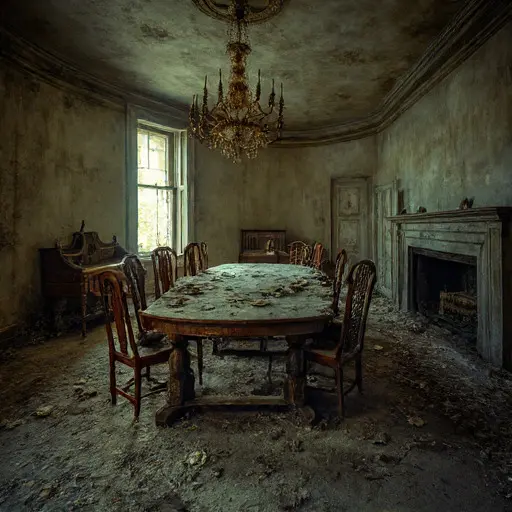
No restoration ever occurred at Seabreak Manor. Ownership disputes faded into administrative records, and no heirs returned to reclaim the estate. The coastal plateau gradually absorbed the property into its landscape, with grass spreading between flagstones and wind wearing away neglected details. Today the manor remains abandoned above the sea, its rooms empty, its finances unresolved, and its future uncertain. The house still stands facing the horizon, slowly deteriorating under the same winds that once carried prosperity to its door.