The Palace on Willowmere Street
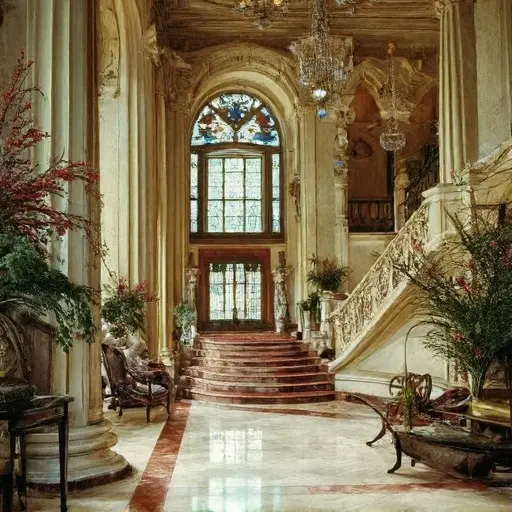
The Willowmere mansion was completed in 1908 for Alexander Beaumont, a prominent attorney and property developer whose influence helped shape several growing neighborhoods throughout the region. Unlike many wealthy families who built isolated country estates, Alexander selected a quiet residential street where his home would stand among ordinary houses and become part of the daily rhythm of the community. His vision was to create a residence that combined the formal power of Neoclassical architecture with the romantic scale of French chateau design.
Alexander lived there with his wife Margaret, their two daughters, and his younger brother Thomas, who managed several of the family’s business interests. The mansion became known for its impressive gatherings, including charity receptions, musical evenings, and seasonal celebrations held beneath the vast marble balconies. Despite its palace-like appearance, the family used the home as a place of comfort and tradition. The garden bench beside the reflecting basin became a favorite location where Margaret spent quiet afternoons overlooking the neighborhood.
The Beaumont fortune came from real estate investments, legal partnerships, and commercial development projects. For nearly twenty-five years, the mansion remained carefully maintained, with craftsmen regularly repairing the marble terraces, copper domes, and elaborate stone details. Every part of the residence reflected the family’s belief that architecture represented permanence, reputation, and responsibility.
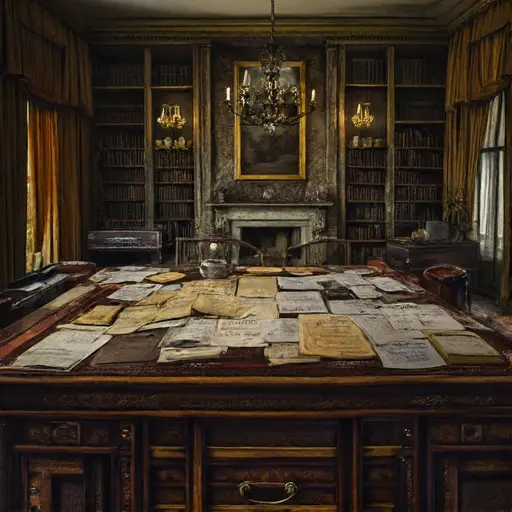
The family’s stability began to collapse during the economic difficulties of the early 1930s. Several major development projects failed after investors withdrew funding, leaving Alexander with significant debts tied to unfinished properties. The costs of maintaining the mansion became increasingly impossible to manage. Repairs were delayed, sections of the residence were closed, and household staff was gradually reduced as the family attempted to preserve their remaining assets.
Alexander passed away in 1935 after years of financial pressure. Without his leadership, disagreements among his heirs delayed decisions about the estate. Margaret hoped to preserve the mansion, while other family members argued that selling the property was the only practical solution. Legal complications surrounding Alexander’s investments prevented a quick resolution, and by the end of the decade unpaid taxes and accumulated repair costs had placed the residence at risk.
The final departure occurred in 1940 when the remaining family members moved away and ownership transferred through financial proceedings. The mansion was briefly considered for conversion into apartments, but restoration costs proved far beyond the available budget. The enormous marble structure, aging mechanical systems, and specialized craftsmanship required to preserve the interiors made every proposal financially unrealistic.
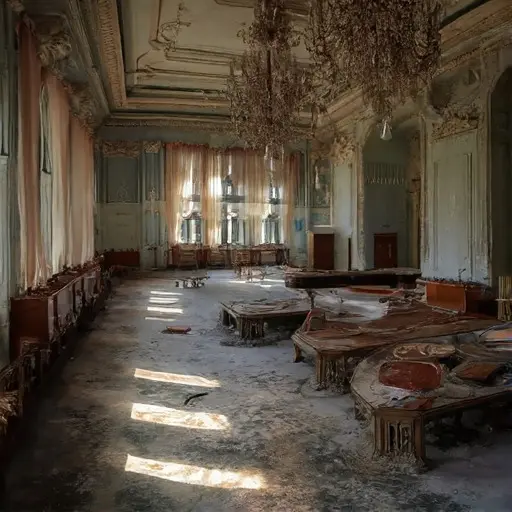
Today, the Palace on Willowmere Street remains one of the neighborhood’s most extraordinary forgotten landmarks. The dry marble basin still holds the weathered swan sculpture, ivy climbs across portions of the wrought-iron fencing, and weeds push through the narrow driveway leading toward the empty entrance stairs. The neighboring houses have changed many times, but the mansion remains almost frozen in another era.
Preservation groups continue to recognize the residence as a rare example of American palace-scale domestic architecture. Although the future of the property remains uncertain, the Willowmere mansion still carries the traces of the Beaumont family’s ambition, their rise through prosperity, and the quiet disappearance of the people who once filled its enormous halls.