The Navarro House at Palm Court
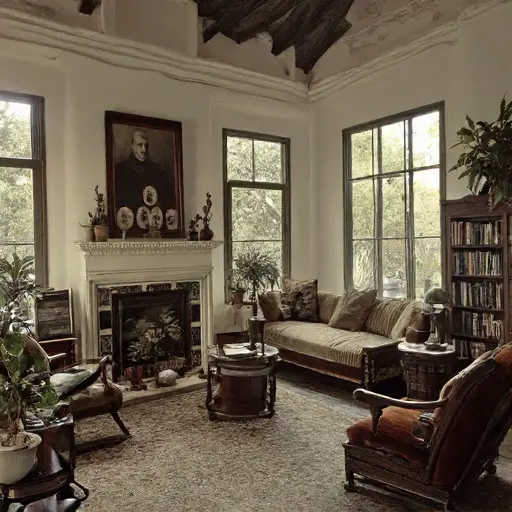
The Navarro family established the Palm Court residence in 1918 after Miguel Navarro purchased a corner property and built the Spanish Colonial Revival home for his growing family. Three generations lived there, including Miguel, his wife Elena, their children, and later grandchildren who shared responsibility for the household. The family income came from Miguel’s small tile manufacturing business, which supplied building materials to expanding neighborhoods throughout the region.
Historical records describe the home as a carefully maintained residence with active courtyards, functioning rooms, and regular upkeep during the years before economic decline affected the family.
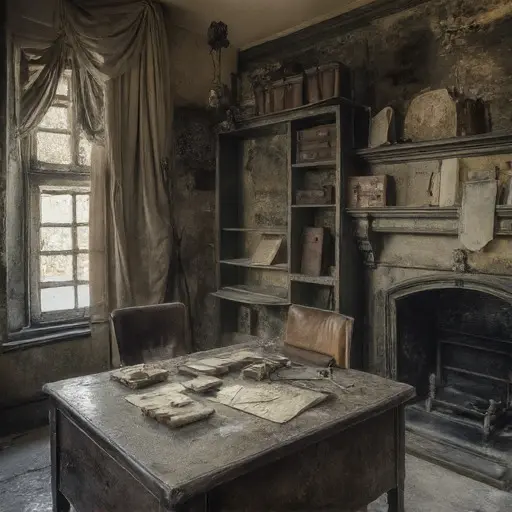
The first warning sign appeared in 1931 when Navarro Tile Works recorded unpaid orders and falling demand from local builders. During the economic downturn, Miguel dismissed workers, reduced production, and delayed repairs to the roof tiles, balcony railing, and courtyard fountain. Several smaller rooms were closed to reduce expenses, while maintenance of the garden and exterior walls declined. After Miguel’s death in 1934, disagreements between heirs delayed decisions about ownership. By 1936, unpaid business loans, property taxes, and inheritance disputes forced the family to leave Palm Court and relocate to other parts of the state.
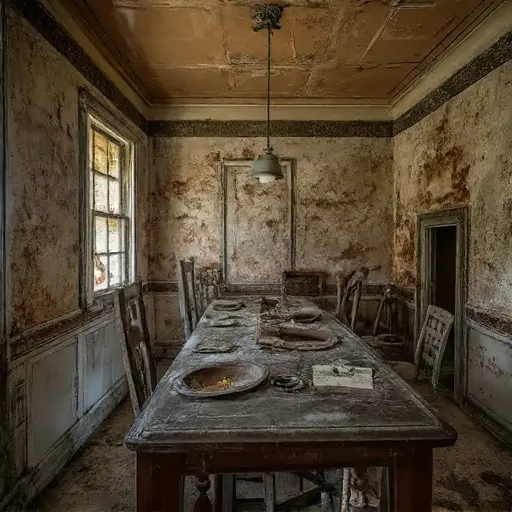
The Navarro House was abandoned in 1937 after foreclosure followed years of business decline, unpaid debts, and unresolved inheritance issues. No restoration occurred, and no Navarro descendants returned after leaving Palm Court. Municipal records noted uncertain ownership transfers and continued deterioration of the vacant residence. The interior rooms remained closed, preserving family papers, furniture, and household objects from the final years of occupation. Over the decades, weather, moisture, and structural wear affected the property. The Spanish Colonial Revival home remains on the suburban corner, slowly deteriorating without restoration or a confirmed future owner.