The Missing Valette House
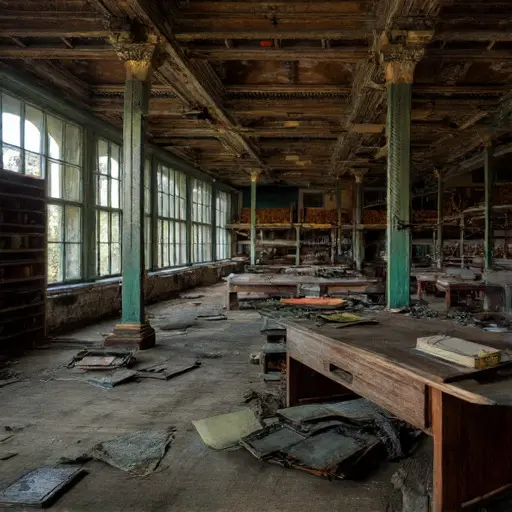
The Valette House was built in 1901 beside a canal-linked textile district for Lucien Valette (1867–1912), a fabric dye inspector employed by export mills and merchant houses to certify the color consistency of wool and linen shipments sent across northern Europe.
The villa served as both residence and private inspection office, where Valette and his assistants compared imported pigments, tested dye fastness, and maintained certification records required by foreign buyers. His household included his wife Elise and his younger brother Marcel, who managed shipment ledgers and sample archives stored throughout the house.
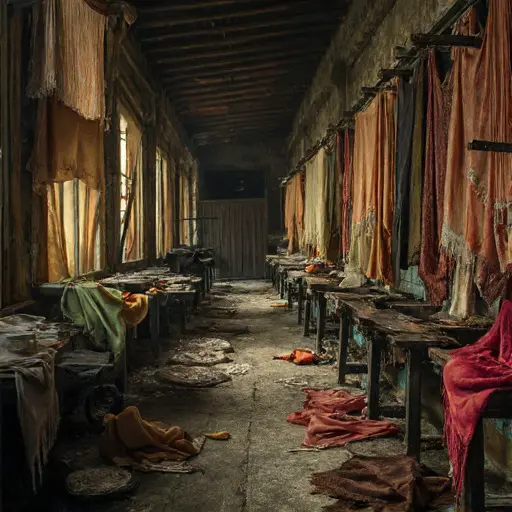
The turning point came in 1908 when synthetic chemical dyes from larger German manufacturers flooded the market, making traditional inspection methods unreliable as fabrics began fading unpredictably after shipment.
At the same time, major export companies created centralized laboratory certification offices, replacing independent inspectors like Valette with industrial testing systems tied directly to factory production.
Contracts disappeared within a year. Merchants stopped sending samples. Entire shelves of uncertified cloth remained stacked untouched inside the villa.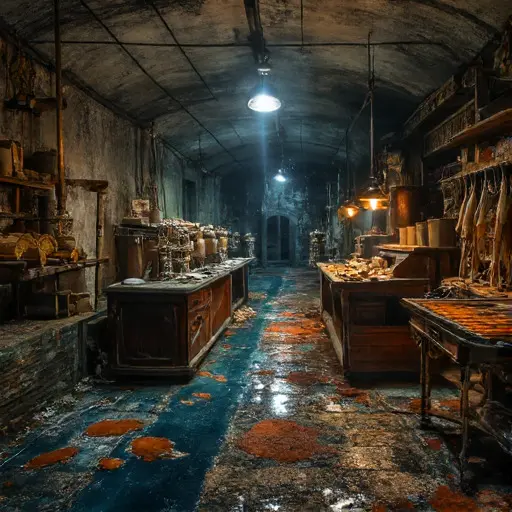
By 1912, Lucien Valette was formally removed from the regional textile registry after independent dye inspection offices were dissolved across the manufacturing district.
Inside the final ledger, inspectors found a rejected fabric report for a shipment that had already left the country months earlier.
The Valette House remains abandoned beside the silent canal mills, its cloth rotting in storage, its records unfinished, and its rooms slowly darkening beneath dust, dampness, and faded color.