The Meadowcrest Mansion Left Vacant After Family Decline
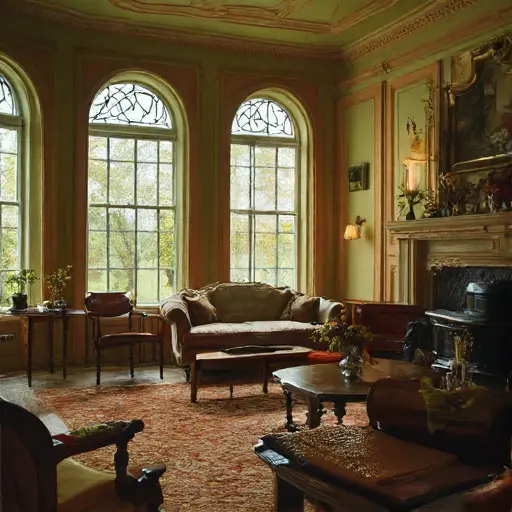
Meadowcrest Mansion was completed in 1907 by the Whitaker family, who established the property as a permanent residence overlooking the broad wildflower pasture that surrounded it. Though influenced by Victorian architecture, the house was intentionally modest and intimate, built as a countryside retreat where family life revolved around agriculture, seasonal gatherings, and the rhythms of the nearby meadows. Its citron-amethyst exterior and coral-aquamarine trim reflected the colors of flowering fields that stretched toward distant oak groves.
The household was sustained by a combination of dairy production, hay cultivation, and leased pastureland. Robert Whitaker managed agricultural contracts and tenant agreements, while his wife Helen maintained records and correspondence. The estate was never large or particularly wealthy, but for many years it remained financially stable. Family ledgers from the period reveal careful planning, modest profits, and a household that valued consistency over expansion.
Early financial strain
The first signs of decline appeared during the late 1920s when agricultural markets became increasingly volatile. Several tenants left the area, reducing rental income, while transportation costs rose and commodity prices weakened. The Whitakers responded by postponing repairs and reducing seasonal labor. Portions of the property that had once been carefully maintained began showing subtle signs of neglect.
Inside the mansion, decorative upkeep became secondary to practical concerns. Rooms remained occupied, but repainting ceased, furniture repairs were delayed, and household spending tightened considerably. Although the estate remained functional, the atmosphere had changed from confidence to caution.
Gradual decline in the household
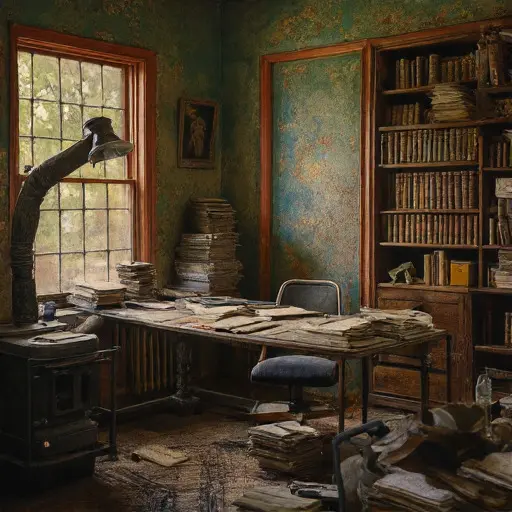
By 1934, several pasture leases had expired without renewal. Wildflowers and grass began reclaiming areas once managed for agricultural use. Household records reveal increasing debt and delayed payments to suppliers. Utility bills accumulated alongside tax notices, many of which remained unanswered for extended periods.
The Whitaker children gradually moved away to seek employment in larger towns. Their departures left fewer people available to maintain both the property and the surrounding land. Several upstairs rooms were closed entirely to reduce heating expenses. What had once been a lively family residence became increasingly quiet, with entire sections of the mansion left unused for months at a time.
Final abandonment phase
The death of Robert Whitaker in 1942 accelerated the property’s decline. Helen Whitaker attempted to remain in the house, but reduced income and mounting obligations made continued occupancy difficult. Maintenance ceased almost entirely. Leaking roofs damaged ceilings, moisture entered through neglected window frames, and utility services were eventually disconnected after prolonged nonpayment.
Final deterioration
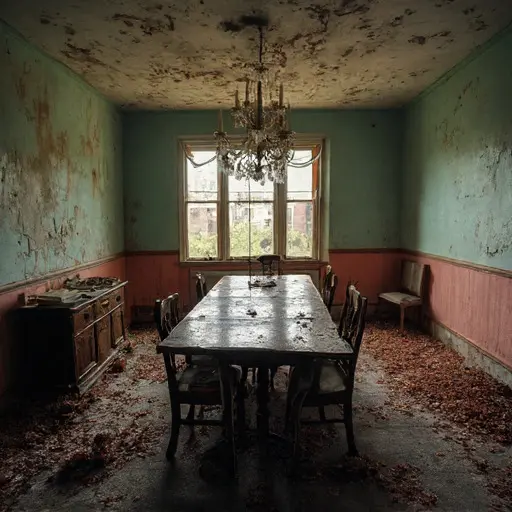
Helen Whitaker left Meadowcrest Mansion in 1947 to live with relatives in a nearby town. No heir returned to occupy the property, and unresolved inheritance complications prevented its sale. The surrounding pasture gradually absorbed the formal gardens and pathways, while grass and wildflowers spread unchecked around the structure. No restoration was undertaken, and no subsequent residents arrived. Today Meadowcrest Mansion remains abandoned on its rise above the meadow, standing empty amid swaying flowers and fading memories. Its ownership remains unresolved, its rooms continue to deteriorate, and the house endures as a quiet reminder of a family whose gradual decline left it permanently vacant.