The Marwick House and the Quiet Ending of a Coastal Railway Investment
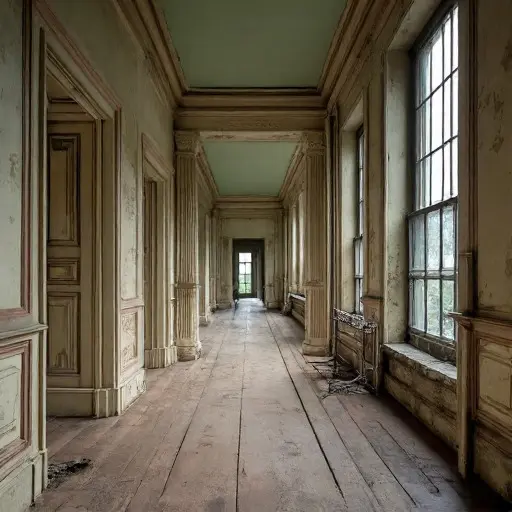
The Marwick House was completed in 1891 for George Allan Marwick, born 1842 in Portsmouth, a railway logistics investor specializing in coastal freight connections and rail-linked port transfers. His wealth came from coordinating shipping-to-rail transition contracts, securing freight movement between coastal docks and inland rail lines during a period of expanding industrial transport. The house was built directly beside the railway corridor to oversee scheduling and freight documentation, serving as both residence and informal office for logistics management.
He lived there with his wife Sarah Whitcombe Marwick and their son Edward, who later assisted in managing transport ledgers and rail freight accounting records.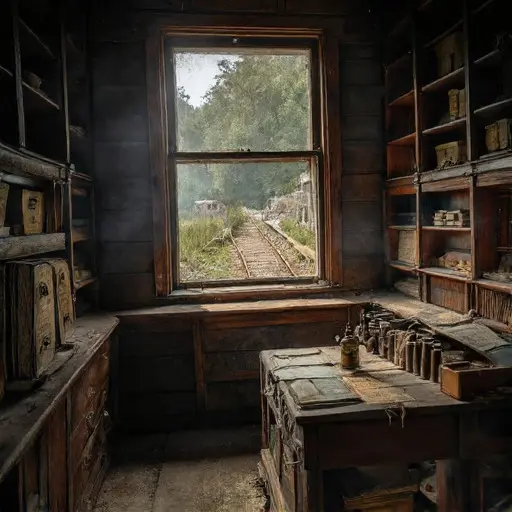
The decline began in 1904 after repeated disruptions in coastal rail schedules caused by storm damage to track sections and port infrastructure, delaying freight transfers beyond contractual windows. Several shipping partners defaulted as delivery schedules failed to meet industrial demand timelines, causing cascading losses across Marwick’s transport agreements. He had personally guaranteed portions of the freight contracts, expecting rapid infrastructure repair that never fully stabilized operations. By 1910, creditors began restructuring his holdings, and correspondence shifted from routine freight scheduling to formal legal claims and contested liability reports. Edward’s involvement in logistics coordination ended abruptly after an audit questioned the valuation methods used for bundled rail-to-port contracts.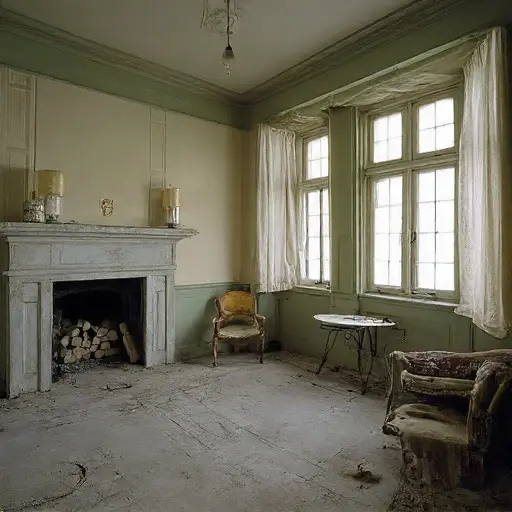
By 1913, George Marwick had relocated to a temporary office near the inland rail junction to resolve outstanding freight liabilities, leaving the house under only intermittent caretaker visits. Sarah’s correspondence ceased shortly afterward, and Edward’s name appears once more in a final legal filing concerning disputed rail valuation methodologies. The Marwick House remained fully furnished but unmanaged, its transport records locked in the study and its rail-facing rooms left untouched. No sale was completed, no family returned, and the property was recorded as vacant, standing intact between ocean and tracks without resolution.