The Marble Lantern of Verona Street
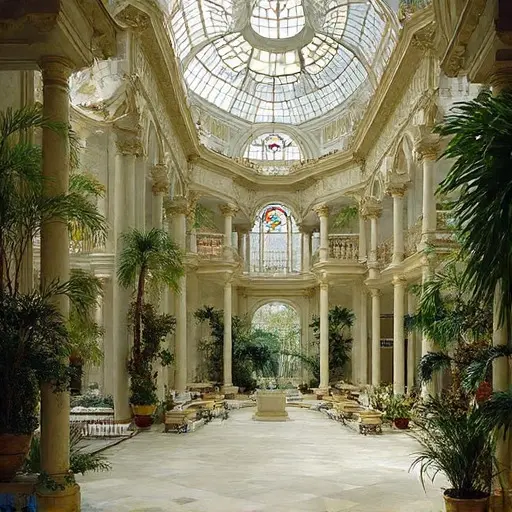
The Verona Street manor was completed in 1908 for Alessandro Bellini, a successful importer and cultural patron who dreamed of creating a residence that represented the artistic traditions of Europe while standing proudly in the heart of an American city. Rather than following a single architectural style, Alessandro commissioned a masterpiece that blended Venetian Gothic romance, Beaux-Arts grandeur, and Mediterranean Revival warmth into one extraordinary family estate.
The mansion quickly became one of the most admired homes on the street.
Its pearl-white marble facade, sapphire stone accents, copper details, and enormous glass galleries created a dramatic presence among the surrounding residences. Neighbors often gathered outside during evening celebrations, where the glow from the stained-glass windows and the lantern dome transformed the property into a glowing landmark.
Alessandro lived there with his wife Isabella and their three children. The family filled the manor with imported artwork, handcrafted furniture, rare books, and decorative pieces collected during years of travel. The curved rotunda served as a music salon, the upper galleries displayed family collections, and the broad terraces became gathering spaces for summer dinners overlooking the quiet neighborhood streets.
The family’s fortune came from international trade, luxury textiles, and architectural materials. Alessandro’s company supplied marble, bronze fixtures, and decorative stonework for important buildings across the country. His appreciation for craftsmanship influenced every corner of the residence, from the carved marble details to the intricate metalwork surrounding the balconies.
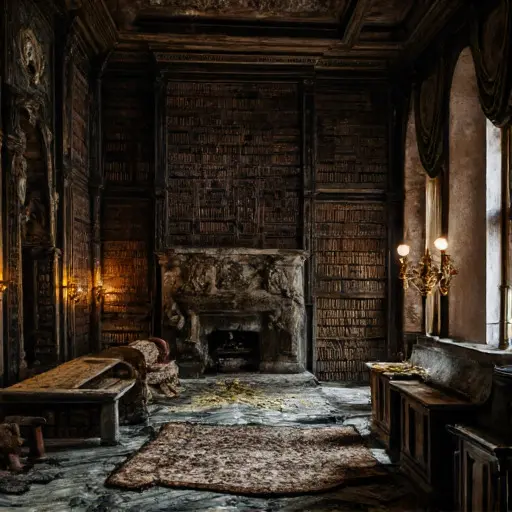
The family’s prosperity began to weaken during the economic challenges of the 1930s. International trade slowed, several major contracts disappeared, and maintaining such an elaborate residence became increasingly expensive. The glass galleries required specialized repairs, the marble terraces needed constant attention, and the copper roof structures demanded skilled restoration work.
Alessandro attempted to preserve both the family business and the manor, but financial pressure continued to grow. After his passing in 1935, Isabella remained in the house for several years, determined to protect the place they had built together. However, rising costs and legal disputes over the estate eventually forced the family to leave.
By the early 1940s, the Verona Street manor was abandoned. Some furnishings were removed through private sales, but many architectural elements remained untouched. The stained-glass windows, marble staircases, bronze balconies, and glass lantern dome survived despite decades of neglect.
Several developers later considered transforming the property into apartments or a cultural venue, but the unusual structure made restoration extremely complicated. The curved walls, floating terraces, and enormous glass galleries required preservation techniques far beyond ordinary renovation projects.
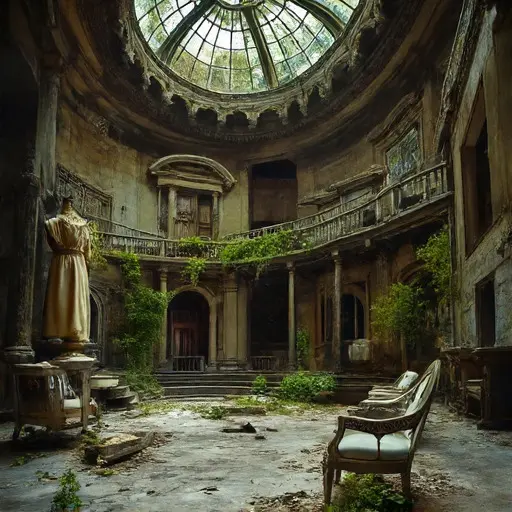
Today, the Marble Lantern of Verona Street remains a remarkable hidden landmark surrounded by ordinary city life. The rusted gate still frames the entrance, the old mailbox leans beside the sidewalk, and the weathered marble fountain continues to reflect the changing daylight beneath layers of ivy.
Although the mansion stands quietly abandoned, its craftsmanship remains undeniable. Every carved surface, colored window, and curved architectural detail preserves the vision of a family who wanted to create something timeless. The estate now exists as a beautiful reminder of ambition, artistry, and the fragile nature of even the grandest homes ever built.