The Lost Evenings of the Harrow Estate
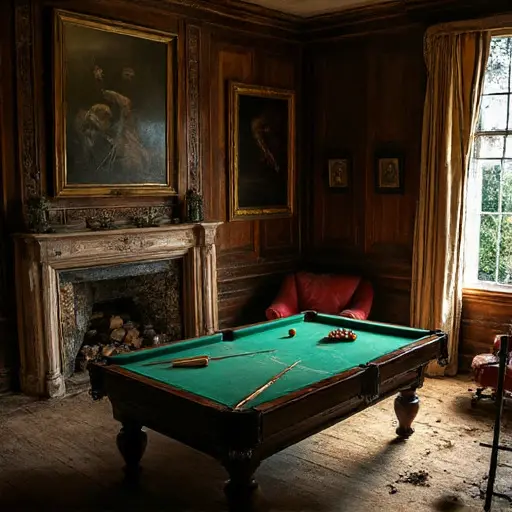
The word bonds appeared repeatedly in the financial papers left across the billiards table, written in the narrow, disciplined script of Leonard Harrow, owner of the estate and manager of a private shipping insurance office. His wife Beatrice disliked the room entirely, though their son Thomas spent most evenings there listening to arguments between Leonard and visiting investors long after midnight.
By 1910, those meetings had become far more frequent.
And quieter.
Leonard Harrow’s Visitors
Seven details remained behind to explain the family long after they disappeared from public life: Leonard’s gold cufflinks left beside unpaid shipping ledgers; Beatrice’s unfinished crossword folded near the fireplace; Thomas’s initials carved into a cue stick; muddy footprints dried across Persian rugs; a cracked decanter still half-filled with whiskey; unopened envelopes concerning railway bonds; and a final note written by Leonard reading, “No one enters the lower office until the accounts are settled.”
The lower office remained locked afterward.
Servants later claimed they heard unfamiliar men arriving after midnight carrying leather cases and leaving before dawn without speaking.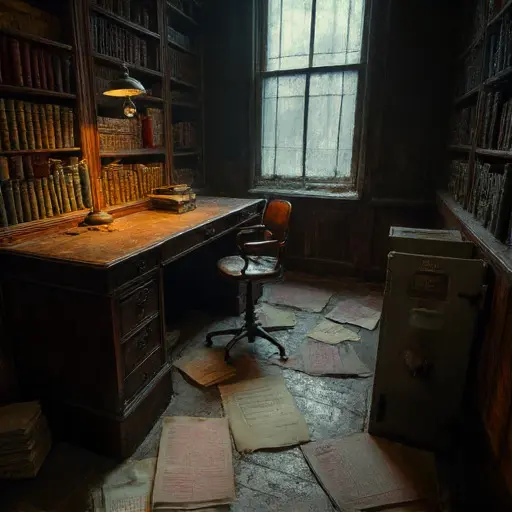
The Last Collection
The Harrow family decline appeared gradual from the outside. Horses were sold first. Then silver disappeared quietly from the dining room. Thomas stopped attending school entirely by autumn.
Still, Leonard insisted the shipping office remained profitable.
The final visitors arrived during heavy rain in November 1911.
Neighbors later recalled raised voices beneath the billiards room floor long after midnight.
By morning, the entire family was gone.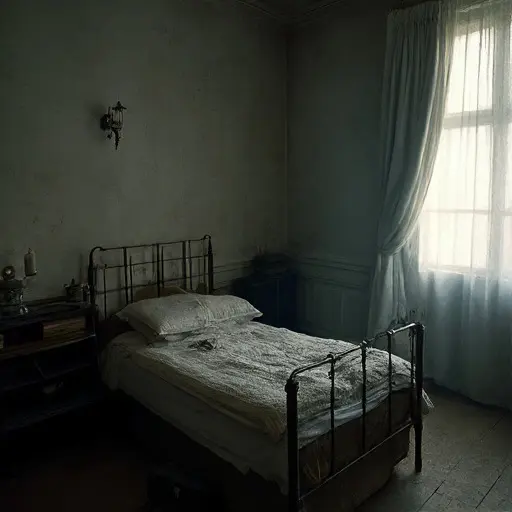
The final account books listed unpaid bonds, vanished shipments, and large withdrawals made under false signatures.
Nothing valuable remained inside the safe.
Yet no evidence suggested robbery.
The Harrow estate stood untouched afterward, its rooms slowly filling with dust while unfinished games and unpaid debts remained exactly where the family had left them.