The Lost Correspondence of Oakhaven Knoll: A Telegraph Operator’s Seclusion
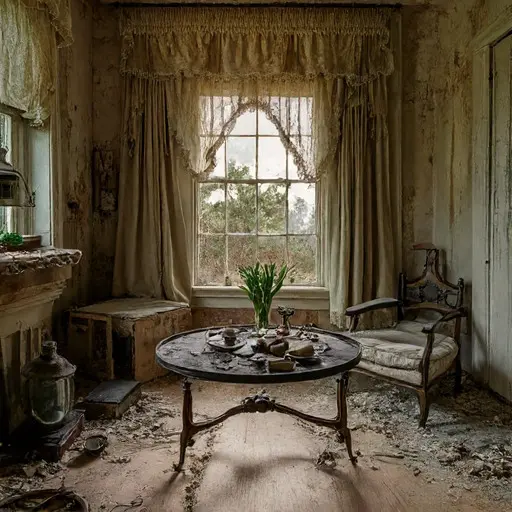
Oakhaven Knoll was a modest, yet well-appointed, house situated on a slight hill overlooking the town’s small telegraph station. Its resident was Miss Eleanor Thorne, the local telegraph communications operator, a rare and respected professional role for a woman in the late Victorian era. Thorne managed the flow of urgent news and personal messages for the county from 1890 until 1917, when she died suddenly from an undiagnosed heart condition. The house was left undisturbed for decades due to the simple fact that her heirs were all overseas and unable to settle the estate during wartime and its aftermath, leaving her personal effects suspended in time.
The Code-Room Above the Parlor
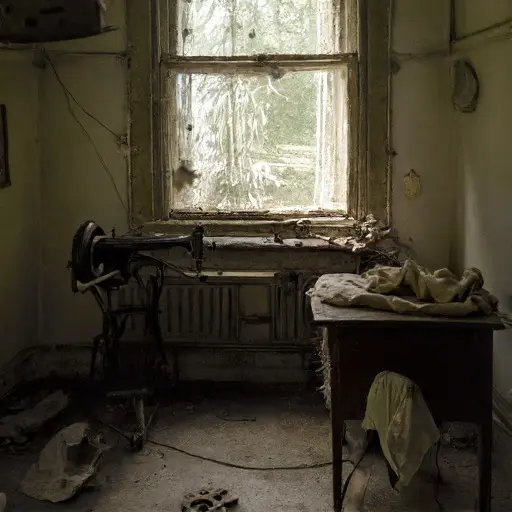
Thorne’s professional life extended into her home. A small, second-floor room, directly above the main parlor, was clearly set up as a private overflow station. The primary feature was a large, heavy wooden table designed to hold a key and sounder, though the machine itself was gone. Left behind, however, was a meticulously organized rack of small, indexed metal tins, each containing slips of paper with the official code abbreviations used for common phrases—a highly personalized and indispensable professional cheat sheet. Beside this, secured by a heavy rubber band now brittle and cracked, was a stack of blank message forms, the paper yellowed and slightly damp-stained but otherwise perfect, bearing the official letterhead of the telegraph company. The air in this small room was tight and clean, smelling only of the dry paper and aged wood.
The Personal Messages of the World

Hidden in the bottom of a cedar chest, under a layer of folded, yellowed linens, was a collection of personal copies of highly sensitive messages Thorne had been trusted to send—not business or military codes, but private, emotionally raw communications between distant family members: desperate pleas for money, quiet confessions of love, news of unexpected deaths, and frantic requests for travel information. She had evidently kept a non-official record of the human drama she was privy to. The papers were thin and delicate, handled so often that the creases were starting to tear, carrying the faint, sweet scent of the cedar trunk. Tucked inside the last bundle was a small, blank notebook. The first page contained a single, handwritten line by Thorne: “The world’s greatest secrets are all eight words or less.”
