The Lindenbrook Swiss Chalet House Left in Mountain Quiet
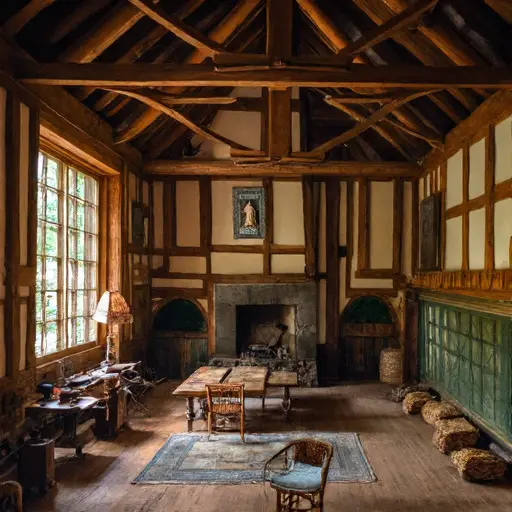
The Lindenbrook Chalet was constructed in the early twentieth century on a gentle alpine slope by a family of woodworkers and horticultural enthusiasts who sought to build a home integrated closely with its natural surroundings. Designed in the Swiss Chalet style, the structure emphasized layered wooden construction, extended eaves, and open balconies intended to engage directly with mountain air and light. The household consisted of a small extended family supported by seasonal laborers who assisted with forestry, gardening, and maintenance of the terraced exterior.
Daily life was shaped by elevation and climate, with routines focused on wood gathering, herb cultivation, and careful observation of seasonal change. The house functioned as both dwelling and working environment, reflecting a philosophy of craftsmanship closely tied to the surrounding landscape.
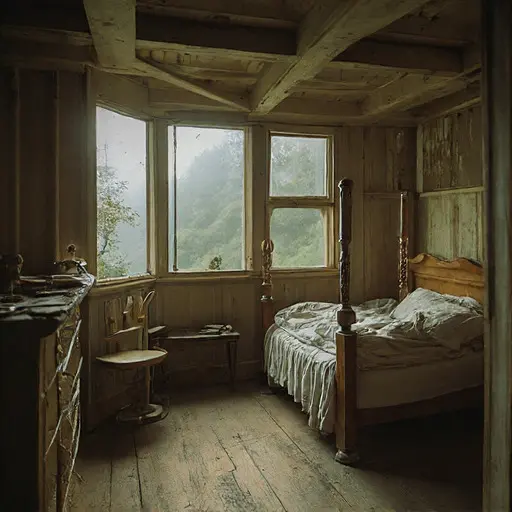
By the late 1920s, the Lindenbrook Chalet began to experience financial and logistical strain as seasonal access to the property became more difficult and agricultural output from its hillside gardens declined. Maintaining the timber structure, carved eaves, and layered balconies required constant attention due to exposure to moisture, wind, and temperature shifts. The household gradually reduced its use of upper and lower rooms during colder seasons, concentrating activity in fewer interior spaces to conserve resources. The terraced gardens were no longer maintained with the same regularity, allowing wildflowers and native grasses to blend more fully into the designed landscape. Correspondence slowed, and external trade connections weakened, reflecting a gradual retreat from active management of the estate.
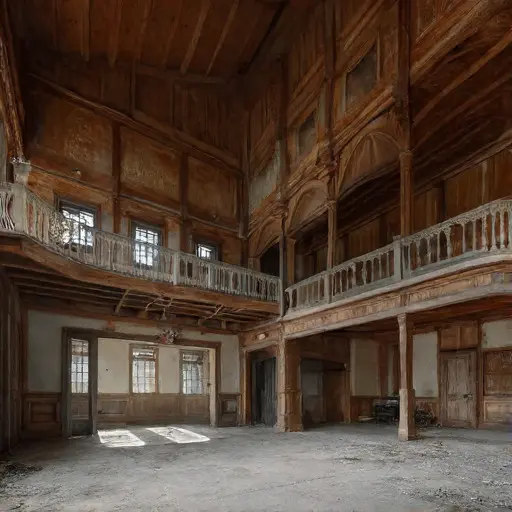
By the early 1940s, following prolonged financial difficulty and the dispersal of the family to lower valley settlements, the Lindenbrook Chalet was fully abandoned. No restoration or redevelopment efforts were undertaken, and the remote location made continued occupation impractical. The structure remained standing on the mountainside but deteriorated slowly under seasonal weathering, moisture, and vegetation encroachment. Interior spaces were left in their final state of use, preserving furnishings, tools, and domestic records beneath layers of dust and mountain air. The chalet persists as an unoccupied alpine residence, quietly integrated into its landscape, gradually fading without return, restoration, or resolution.