The Last Years of Wrenhaven Manor
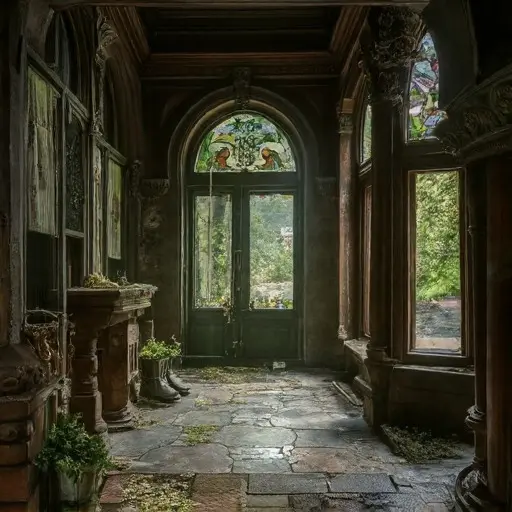
Wrenhaven Manor was built in 1888 for Arthur Benedict Wren (born 1847 in Durham), a prosperous timber merchant whose contracts supplied lumber to railway and shipbuilding firms throughout northern England. The estate stood close to valuable woodland holdings, allowing him to oversee both harvesting operations and commercial negotiations from home.
Arthur lived there with his wife Eleanor Wren and their son Charles.
Contemporary records describe the family as comfortably upper-middle class, respected locally and closely connected to regional business circles. The house reflected that success. Imported furnishings filled its rooms, while account books, contracts, and timber surveys occupied much of Arthur’s private study.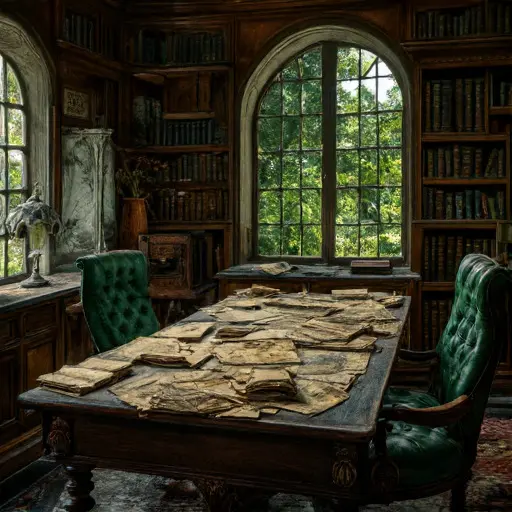
The turning point came in 1903 when two major railway expansion projects were cancelled following financial difficulties among several contracting firms. Orders vanished almost overnight. Large quantities of harvested timber remained unsold, while storage and transport costs continued to accumulate.
Arthur borrowed heavily against future contracts he believed would return. They never did.
Over the next several years, sections of the estate were sold to cover debts. Servants were dismissed. Repairs were postponed. Household ledgers reveal increasingly desperate attempts to restructure loans and renegotiate supply agreements. Marginal notes in Arthur’s handwriting became shorter and more uncertain.
By 1909, Charles had left to seek work elsewhere. Eleanor died the following year after a prolonged illness. Arthur remained largely alone within the manor, occupying only a few heated rooms during winter.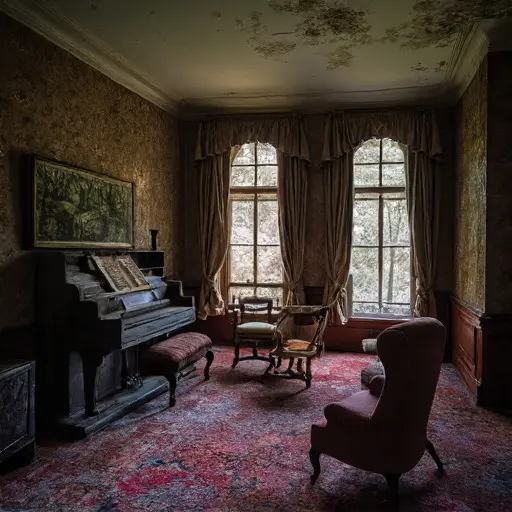
The final records date from 1912. An unfinished debt statement remained on Arthur’s desk beside foreclosure notices and unsigned sale documents. Several valuables had already been removed, but most furniture remained where it had always stood.
After that, Wrenhaven Manor fell silent.
Today the rooms remain furnished, the ledgers unfinished, and the curtains hanging exactly where they were left. The forest presses against the walls, moisture creeps through the stonework, and the house stands abandoned without resolution, holding the final evidence of a fortune that slowly dissolved and was never rebuilt.