The Langford Railway House Abandoned After Bridge Closure
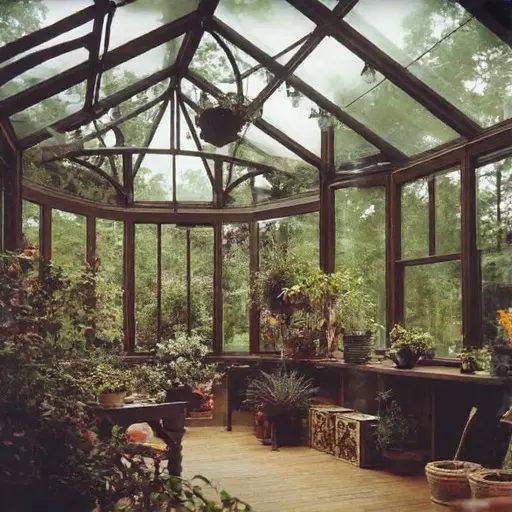
The Langford family established Bridgeview House in 1907 after Arthur Langford accepted work as a railway signal inspector and built the residence on the unused platform section of the Alder Valley bridge. Three generations lived there, including Arthur, his wife Margaret, their children, and later grandchildren who helped maintain the small elevated garden. The family earned income from railway employment, track inspections, and supplying meals to passing workers.
Company records describe the house as a carefully maintained residence with an active conservatory and garden before railway reductions changed the future of the bridge.
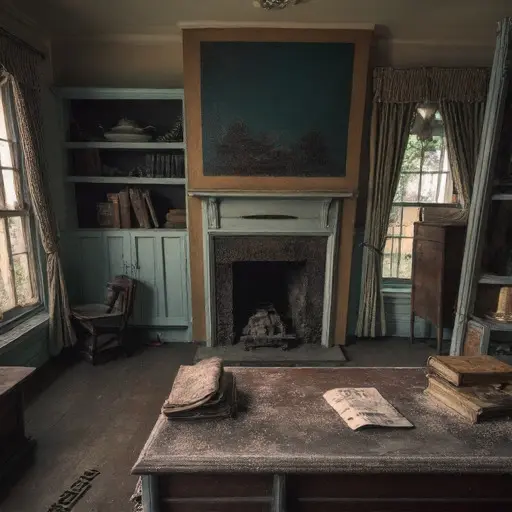
The first warning sign appeared in 1928 when the railway company reduced inspection staff and delayed Arthur’s contract payments. By 1930, fewer trains crossed the valley, causing the family to close the upper attic room and stop repairing the bridge garden. The railway closure during the early 1930s removed Arthur’s primary income source, leaving unpaid household bills and maintenance costs for the unusual elevated property. After the bridge was officially removed from active service in 1933, Arthur and Margaret relocated to a nearby town, leaving the house behind while ownership discussions continued.
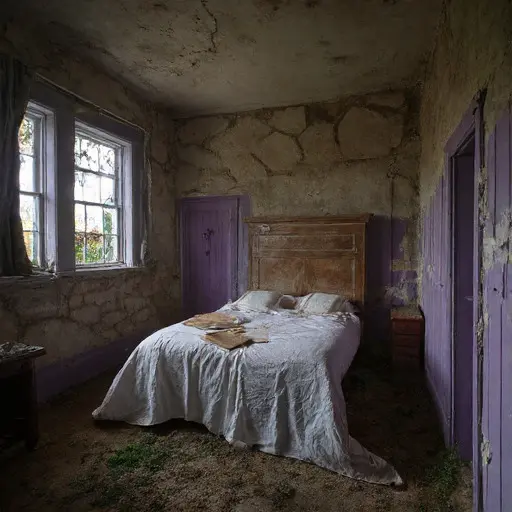
Bridgeview House was abandoned in 1934 after the railway bridge closure, loss of employment, and unresolved property responsibility ended the Langford family’s connection to the residence. No restoration occurred, and no Langford descendants returned after leaving the valley. Railway records noted uncertain ownership and no approved plans for reuse of the elevated structure. The remaining rooms stayed sealed with household items, gardening tools, and documents left behind. Over decades, weather, vegetation, and rust weakened the bridge and home. The railway house remains empty above the forest valley, continuing to deteriorate without restoration or confirmed future use.