The Langford House and the Quiet Dissolution of a Rural Lending Firm
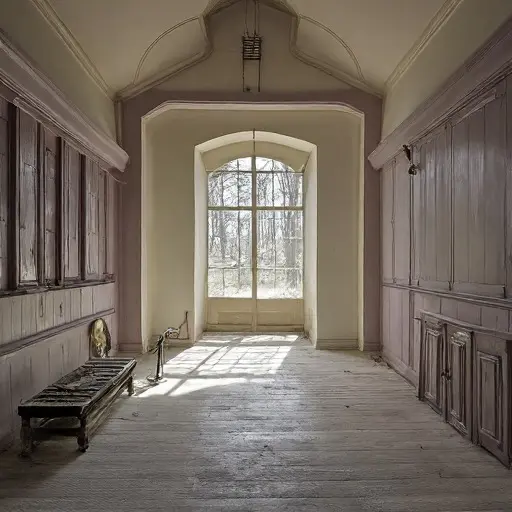
The Langford House was completed in 1894 for Henry Aldous Langford, born 1846 in Gloucestershire, a rural finance agent specializing in agricultural credit and small landholder loans. His wealth came from structuring lending agreements between county banks and tenant farmers during a period of agricultural consolidation. The house was built after his elevation to regional trust manager, intended as both residence and administrative base for rural accounts.
He lived there with his wife Catherine Morell Langford and their daughter Eleanor, who later assisted in bookkeeping for estate-backed lending ledgers.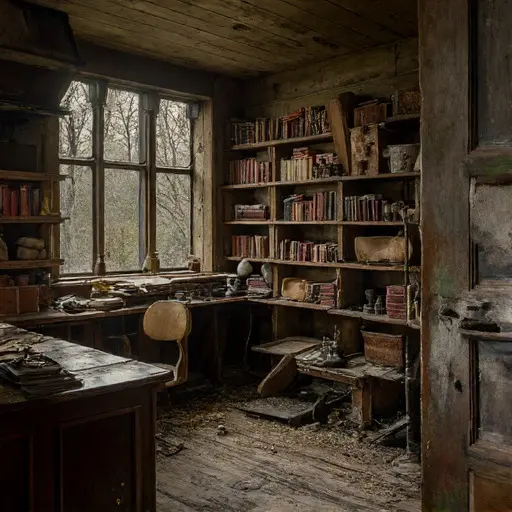
The decline began in 1908 after a sustained drop in crop yields across surrounding farmland, driven by poor seasonal weather and falling grain prices. Many tenant farmers defaulted on structured repayment plans, leaving Langford overexposed through guarantees tied to county-backed credit systems. As losses accumulated, regional banks tightened lending conditions and began reclaiming collateral. Correspondence shifted from routine repayment schedules to formal notices delivered weekly. Eleanor’s bookkeeping work ceased as accounts became legally contested and repayment schedules collapsed across multiple estates.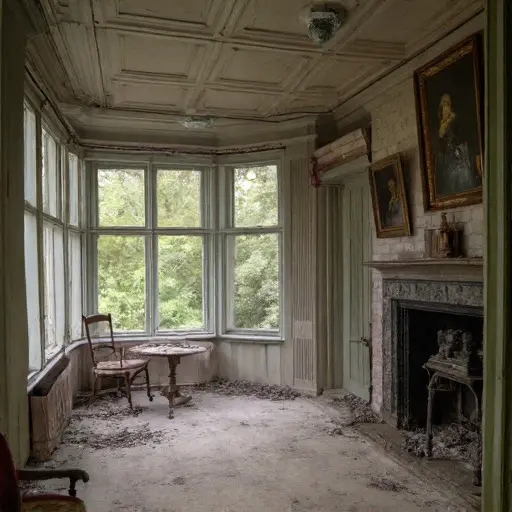
By 1913, Henry Langford had relocated to a county office to manage unresolved debt settlements, leaving the house under only occasional caretaker visits. Catherine’s correspondence stopped shortly afterward, and Eleanor’s name appears once more in a final ledger reconciliation involving disputed tenant accounts. The Langford House remained fully furnished but unmanaged, its financial records locked in the study and its orchard-facing rooms left untouched. No sale was completed, no family returned, and the property was recorded as vacant, standing intact but abandoned without resolution.