The Lakeside Boathouse Home Left in Still Waters
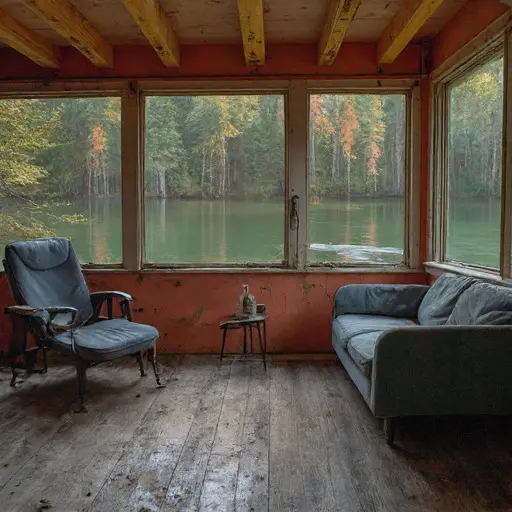
The main cabin of the lakeside boathouse home reflects a life once structured around water, weather, and seasonal isolation. Built on wooden pilings directly above the inlet, the house was designed to sit lightly over the lake rather than dominate it, allowing water sounds and reflections to become part of daily domestic life. The interior remains modest and practical: a compact kitchen, a central living area facing the water, and narrow circulation spaces that prioritize view and function over excess comfort.
Abandonment occurred gradually rather than abruptly. Local records suggest the family maintained seasonal use of the property for several years after relocating inland for work, but access became increasingly difficult during long winters when shoreline routes softened and maintenance delayed. Eventually, visits stopped altogether. Nothing inside suggests a moment of panic or departure—only the slow absence of return. Objects remain positioned as if awaiting re-engagement, not interruption.
Over time, humidity from the lake began to subtly reshape the materials. Wood absorbed moisture from below, causing slight warping in floorboards and soft changes in alignment. Paint degraded in thin layers, revealing the original timber beneath, now silvered and softened by age. Despite this, the structure remains stable and coherent, holding its original domestic logic intact.
The Boathouse Hall Over the Water
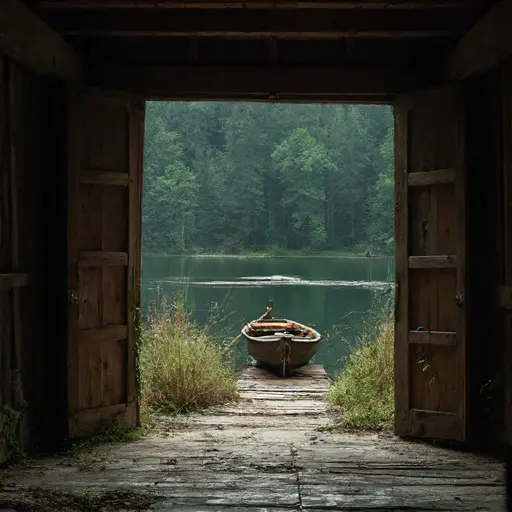
The boathouse extension served both as storage and direct interface with the lake, designed for launching small boats and maintaining seasonal fishing equipment. It extends outward over the water in a long timber hall, supported by pilings that descend into the lakebed. The structure remains intact, though softened by constant exposure to humidity and shifting seasonal temperatures.
The abandonment of this space was tied closely to the decline of regular boating activity in the region. As road access improved elsewhere, reliance on lake transport diminished, and the boathouse lost its primary function. The rowboats remain moored but unused, their surfaces dulled by still water and time. No signs of abrupt removal exist—only gradual disuse.
The Lake-Facing Bedroom Wing
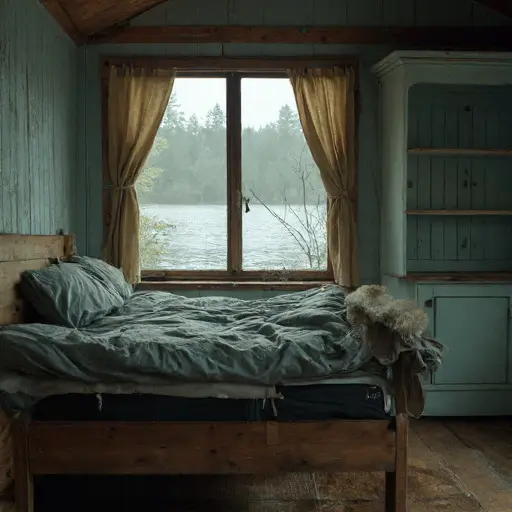
The bedroom wing represents the most private and preserved aspect of the home. Positioned to face the lake directly, it was likely used for seasonal stays when the family returned to the property during warmer months. The furnishings remain simple and unornamented: a wooden bedframe, minimal storage, and soft textiles chosen for practicality rather than display.
Abandonment here feels especially gradual. There is no disorder, no disruption—only the quiet cessation of occupation. Curtains remain drawn in place where they last hung, and the bed remains made, as if awaiting another seasonal return that never occurred. Light continues to enter the room daily, shifting slowly across surfaces without interaction or change.
No restoration efforts have followed. The house remains suspended between water and forest, preserved by stillness rather than intervention. The lake continues to rise and fall with the seasons beneath it, while the boathouse stands unchanged above—quietly holding the memory of domestic life that never fully collapsed, only receded.