The House at Briar Glen
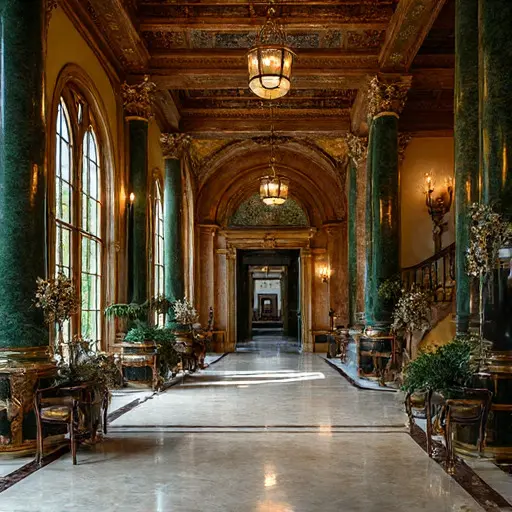
When construction of the Briar Glen mansion was completed in 1901, it instantly became the architectural centerpiece of an otherwise ordinary suburban neighborhood. Railroad executive Samuel Whitmore commissioned the residence after nearly thirty years spent expanding freight lines throughout the Midwest. Rather than building a secluded country estate, he chose a quiet residential street where his family could remain close to schools, churches, and the growing business district.
The extraordinary limestone mansion reflected both his financial success and his appreciation for European architecture, blending the strength of Richardsonian Romanesque design with the elegance of French Renaissance Revival craftsmanship.
Samuel lived in the mansion with his wife Caroline, their three children, and his widowed sister Elizabeth. Although the residence was enormous, family life followed familiar routines. Breakfast was served each morning beneath the great leaded windows overlooking the front lawn, evenings often ended with music performed in the drawing room, and holidays brought relatives from across the country to gather beneath the towering arches of the central gallery. The sweeping crescent veranda became the family’s favorite place to escape summer heat while watching neighborhood life pass quietly beyond the cast-iron fence.
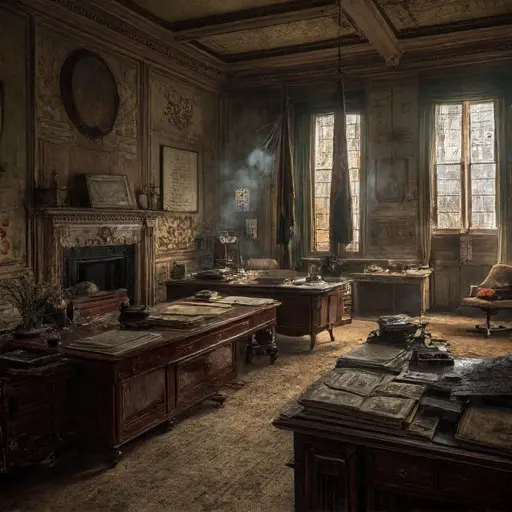
The first signs of decline appeared after the economic collapse of 1929 severely affected freight transportation and commercial investment. Several rail companies connected to Samuel’s business entered receivership, while property values surrounding the family’s investments fell dramatically. Maintenance expenses that had once seemed insignificant quickly became difficult to justify. Portions of the mansion were closed, domestic staff was reduced, and repairs to the oxidized copper roofing, carved stone capitals, and marble terraces were delayed year after year.
Samuel passed away in 1934 after a prolonged illness, leaving the estate to children who had little interest in returning to Briar Glen. Lengthy legal disputes over company holdings delayed the settlement of his affairs, while unpaid taxes and mounting repair costs steadily eroded what remained of the family’s fortune. Caroline relocated to live with relatives, and nearly all of the furnishings were removed before creditors completed the transfer of ownership. Despite occasional interest from developers, the extraordinary cost of restoring the aging structure discouraged every serious buyer.
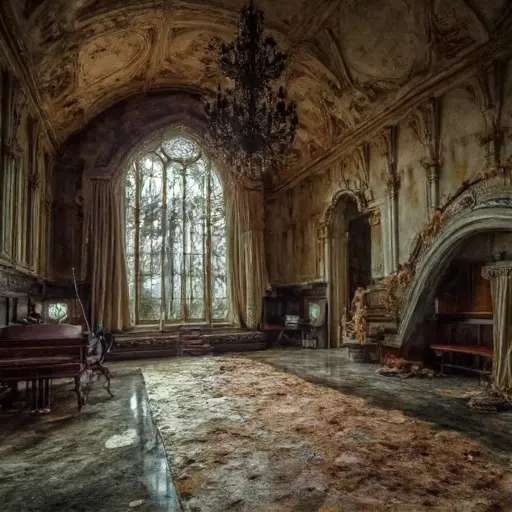
Today, the House at Briar Glen continues to dominate its quiet suburban corner despite decades of neglect. The marble lion fountain remains dry beneath climbing ivy, the faded child’s tricycle still rests near the front garden, and weeds slowly spread between the bricks of the narrow driveway. Preservation organizations have repeatedly identified the mansion as one of the region’s finest surviving examples of Gilded Age residential architecture, yet the immense cost of stabilizing its stone structure has postponed every restoration effort. While neighboring homes have changed with each passing generation, the Whitmore residence endures as a silent reminder of an era when ambition, craftsmanship, and permanence were built into every stone.