The Hollowbrook Carpenter Gothic House Left in Seasonal Silence
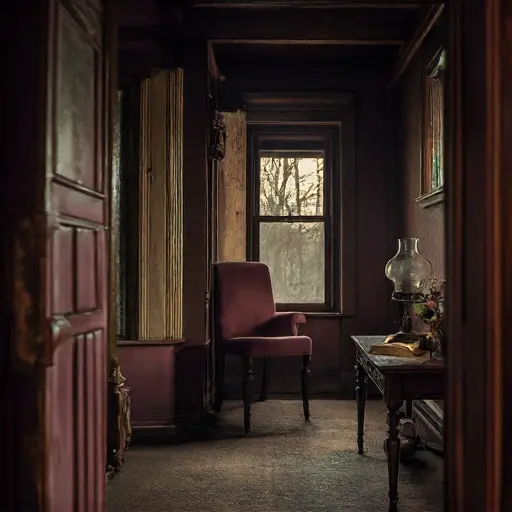
The Hollowbrook house was built in the late nineteenth century by a rural carpenter-builder who specialized in modest ecclesiastical-inspired residences adapted for frontier-edge settlements. The household consisted of a small farming family who relied on seasonal agriculture and woodcraft trade, living within a structure that balanced functional necessity with expressive gothic detailing. The house’s vertical composition, steep gables, and ornamental timberwork reflected both aesthetic ambition and the builder’s mastery of hand-carved construction techniques.
Daily life centered on seasonal cycles, with interior spaces used for planning harvests, maintaining tools, and preserving supplies during long winters. Despite its modest scale, the home served as both shelter and workshop, embodying a carefully structured rural domestic economy.
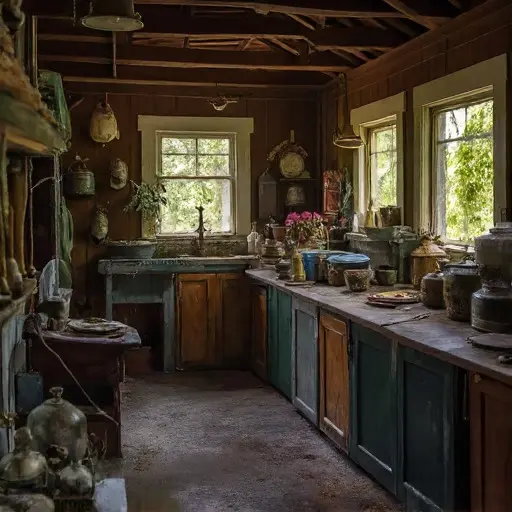
By the early twentieth century, the Hollowbrook household began to experience economic difficulty as agricultural yields fluctuated and regional trade routes shifted away from small rural settlements. Maintenance of the intricate wooden detailing became increasingly difficult, particularly the lace-like bargeboard trim and shingle siding exposed to seasonal weathering. Portions of the house were gradually closed off during colder months to reduce heating demands, and repairs were postponed in favor of essential farm work. The vegetable beds and surrounding yard fell into irregular upkeep, with once-managed planting areas transitioning into semi-wild growth. While the house remained structurally sound, its role as an active working home steadily diminished, reflecting the broader decline of small rural self-sufficiency in the region.
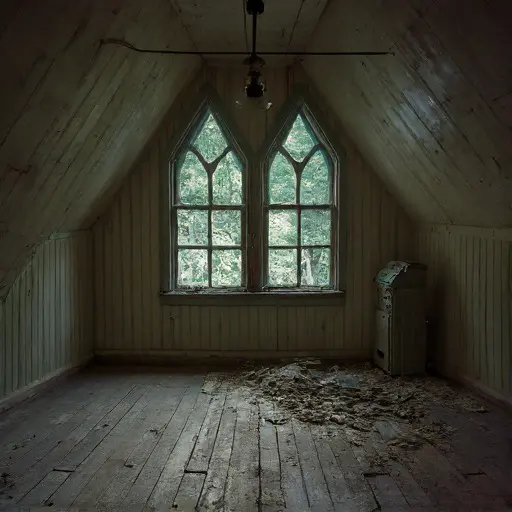
By the mid-twentieth century, the Hollowbrook Carpenter Gothic house had been fully vacated following the dispersal of the remaining family members and the end of viable agricultural use of the surrounding land. No restoration efforts were undertaken, as the structure remained remote and economically impractical to maintain despite its stability. Ownership records became fragmented, leaving the property without clear stewardship. The house remained standing within its forest-edge clearing, slowly weathering under seasonal change while retaining its handcrafted architectural character. Interior spaces were left undisturbed, preserving the final arrangement of rural domestic life. The house persists in quiet abandonment, neither restored nor demolished, holding its place as a fading testament to rural craftsmanship and a vanishing way of life.