The Hawthorne Second Empire Townhouse by the Quiet Riverbend
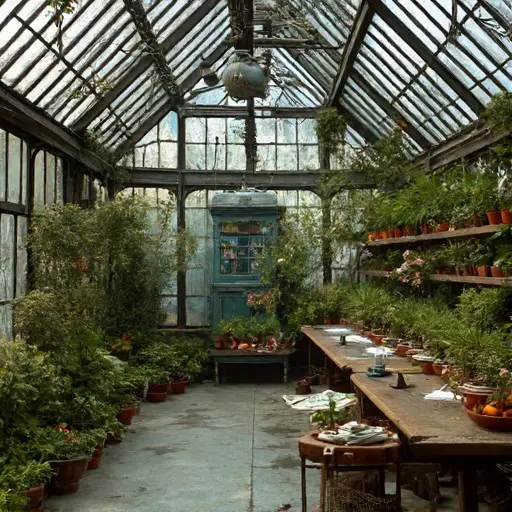
The Hawthorne townhouse was constructed in 1887 along a widening riverside district that had become a favored residential corridor for merchants and civic officials. Built in the Victorian Second Empire style, the structure emphasized vertical grandeur and formal symmetry, expressed through its four-story elevation, central projecting bay, and ornate mansard roof lined with patterned slate tiles. The household consisted of the Hawthorne family—parents, three children, and a long-term gardener who oversaw the greenhouse and river-facing grounds.
Daily life revolved around structured routines: morning correspondence in the study, afternoon maintenance of the conservatory, and evening meals in a formal dining room overlooking the river. The backyard functioned as both utility and retreat, blending horticulture with quiet domestic leisure.
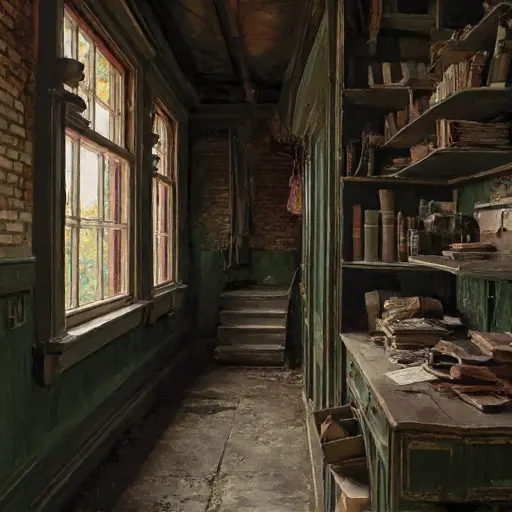
By the early 1930s, the Hawthorne family’s financial stability began to deteriorate as river trade declined and maintenance costs for the expansive property increased. The greenhouse, once central to the household’s daily rhythm, required increasingly expensive repairs due to cracked glass panels and failing iron supports. Over time, sections of the garden were abandoned, allowing lilac bushes and wild grasses to spread beyond cultivated boundaries. Interior spaces were gradually closed off to conserve heating and reduce upkeep, concentrating life into the lower floors. The house shifted from a fully functioning residence into a partially maintained structure marked by deferred repairs and quiet reduction of use.
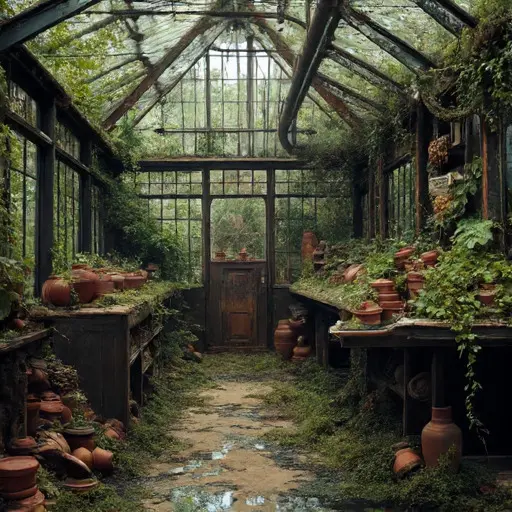
By the mid-1940s, after foreclosure proceedings and the departure of its remaining occupants, the Hawthorne Second Empire Townhouse was permanently abandoned. No restoration efforts followed, and the property remained legally unresolved for years, preventing redevelopment. The greenhouse collapsed further into vegetation, the riverbank garden merged indistinguishably with wild growth, and the clothesline remained stretched between chimneys with fabric still pinned in place. Inside, objects were left exactly as they were during the final days of occupancy, preserving a frozen domestic tableau. The townhouse still stands by the river today, its mansard silhouette slowly fading into damp air, overgrowth, and uninterrupted silence.