The Haunting Hargreaves Vestibule Where the Peg Was Cut
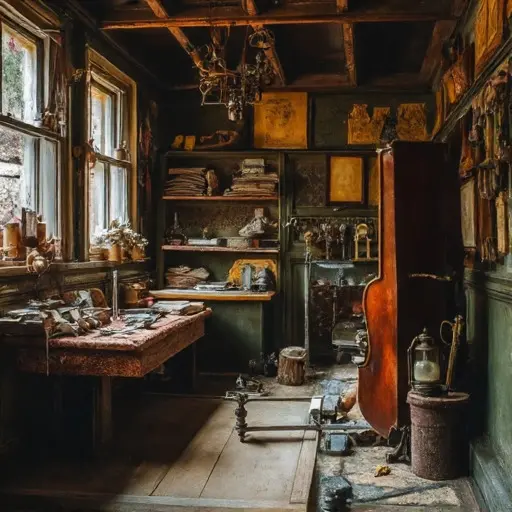
The vestibule feels weighted by a faint scent of pine, glue, and polish—an air trembling around an incomplete decision. On the tiled floor, curls of spruce cling to each other where hands once shaped them. The hush does not accuse; it simply waits.
A Luthier’s Days Balanced on a Notch
Edmund Charles Hargreaves, born 1873 in Manchester, crafted modest violins for music students and passing quartet players. His sister Beatrice sent him lengths of ribbon that now cushion clamps on the hall bench. Edmund favored calm cycles: dawn carving, midday bending ribs over a kettle’s steam, twilight tuning plates with quiet taps. Evidence of humble training appears in reused maple blanks stacked behind umbrellas.
Work Spread Lightly Across Domestic Edges
A half-scraped back plate leans against the coat stand; another rests near a jar of hide glue cooled into ripples. Pegs sorted by grain sit in a porcelain dish once meant for calling cards. A folded note under the bench lists commissions growing more demanding—concert halls, patrons expecting brilliance he was unsure he could promise.
Strain Pressing Against the Grain
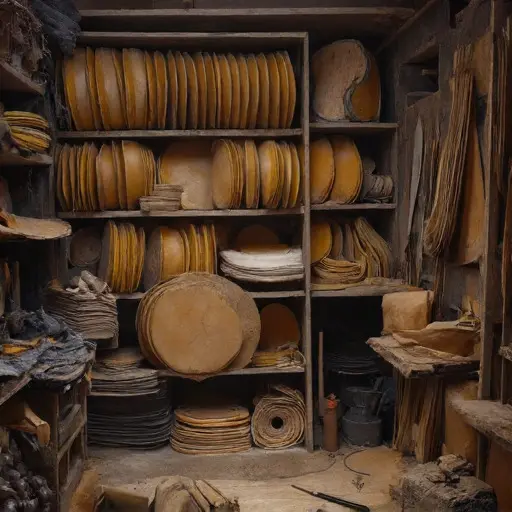
Behind the console, a returned order slip cites “inconsistent resonance.” A soundpost lies toppled inside an open case; its placement abandoned mid-test. Resin dust rims the umbrella stand where Edmund paced, boots brushing shavings into uneven paths. A plate tapped too sharply bears a hairline fault, disguised beneath scattered shims.
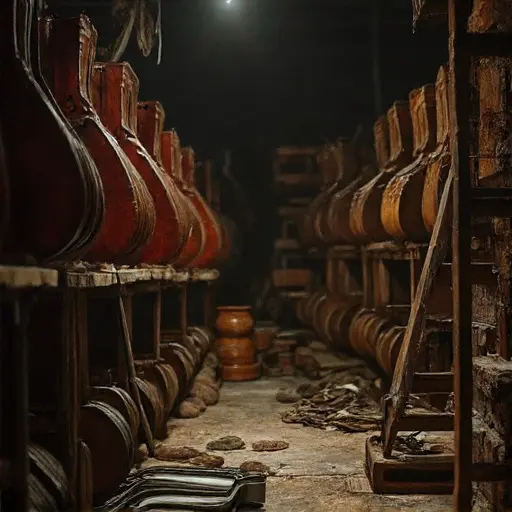
Back in the vestibule, a final detail lingers: a perfect bridge blank placed beside the flawed back plate—side by side, waiting for a resolution that never came.
The house remains abandoned.
