The Harcourt Conservatory on Redwater Flats
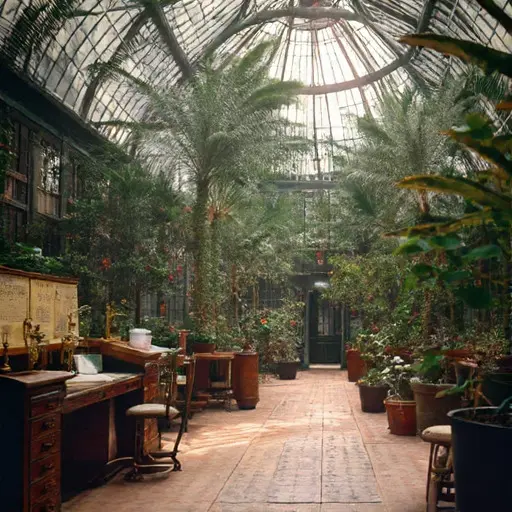
The Harcourt family arrived at Redwater Flats in 1909 after Thomas Harcourt purchased the remote property to establish a commercial greenhouse operation. Three generations lived there: Thomas and his wife Alice, their two children, and Thomas’s widowed mother, while Alice supervised the household and botanical staff. The family income came from exotic plant sales, seed contracts, and supplying hotels and nurseries in distant towns.
The unusual estate required constant heating, irrigation, and glass repairs, but the business remained profitable through the 1910s. Tax records show regular payments and wages during its first decade.
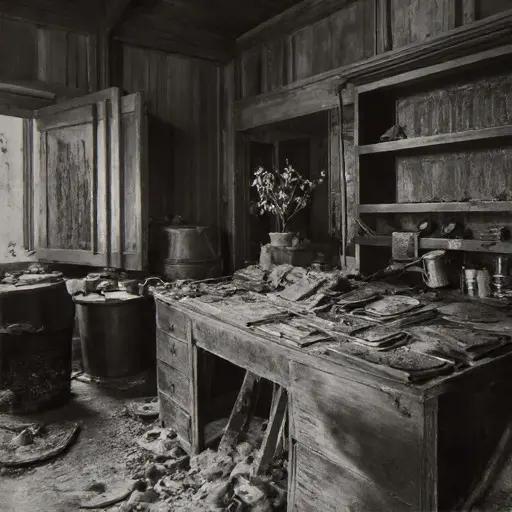
The first warning appeared in 1922 when Harcourt Nurseries fell behind on coal payments after freight charges increased sharply. Two severe winters damaged sections of the glasshouse, while the national downturn reduced demand for expensive ornamental plants. Thomas dismissed several gardeners and stopped heating three upper galleries. Unpaid irrigation charges and property taxes followed, and repairs to the iron framework were postponed. After Thomas died in 1927, his children disputed ownership of the business and argued over the estate’s growing debts. By 1929, Alice left with her daughter for relatives in a distant town, while her son sought work elsewhere.
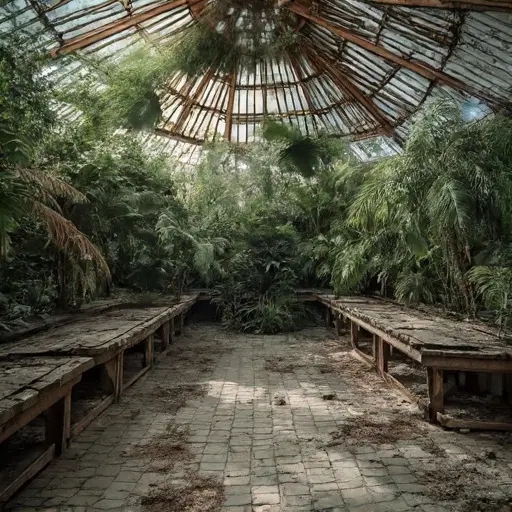
The Harcourt Conservatory estate was abandoned in 1930 after foreclosure followed declining plant sales, unpaid fuel and irrigation bills, property taxes, and the inheritance dispute. Greenhouse equipment and remaining furnishings were auctioned, but no purchaser accepted resp