The Forgotten House Where Pietro’s Birds Never Flew Again
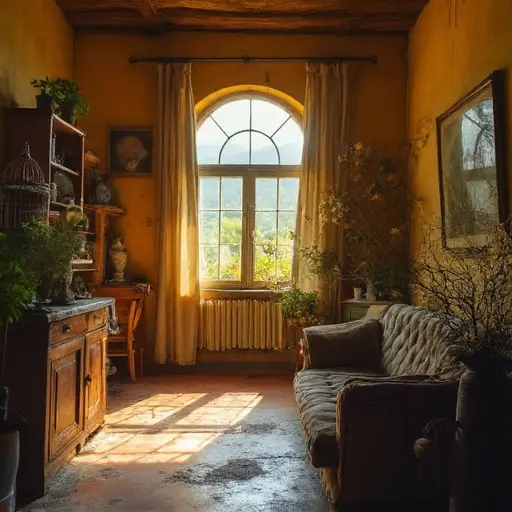
Children once stopped outside the house to listen.
Not for music.
For birds.
The sound came every morning—sharp whistles, fluttering wings, and careful repetitions that drifted through the garden walls before sunrise.
Then the cages went quiet.
The house belonged to Pietro Bellandi.
For most of his life he worked as a songbird whistle tuner, crafting and tuning small reed whistles used by bird trainers and traditional callers who mimicked local species during seasonal gatherings and field demonstrations.
Few people even knew the profession existed anymore.
Pietro learned it from his grandfather.
He spent decades shaving reeds, adjusting air chambers, and listening with extraordinary patience for tones most people struggled to distinguish.
The house carried the evidence everywhere.
Small whistles rested inside drawers beside field notebooks and seed tins. Feather sketches hung near windows. Old jackets smelled faintly of cedar and dust from years spent outdoors.
His workroom sat at the rear of the house.
The Reed Cabinet Window
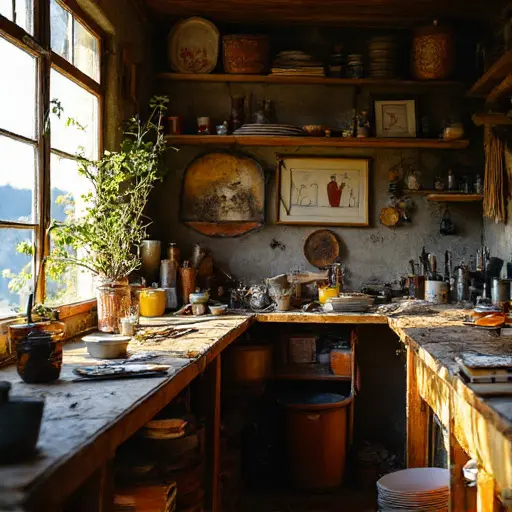
Pietro called the corner beside the window the Reed Cabinet.
It overlooked the garden.
That was where he tested nearly everything.
One unfinished whistle still rests there, laid across a folded cloth beside sharpening tools and migration notes.
Pietro never had children.
After his wife passed away, the house became quieter but never empty.
Neighbors still remembered seeing him feeding birds in the courtyard and adjusting whistles with the concentration of a watchmaker.
But the world around him changed.
Wildlife protection laws and tighter restrictions on bird-calling traditions gradually reduced the gatherings and demonstrations his craft once served. Younger generations lost interest. Orders became infrequent, and many callers simply stopped replacing old whistles altogether.
Pietro continued regardless.
He repaired older pieces, worked slowly, and spent more time alone.
Then came the fires.
A severe wildfire season swept through nearby hills, filling the valley with smoke and ash for weeks. Though the flames never reached the property itself, the heavy air worsened Pietro’s chronic lung illness.
He refused to leave the house.
One evening, during the worst stretch of smoke, he suffered respiratory failure and passed away before emergency services could reach the area.
The funeral was held quietly.
His relatives lived elsewhere and struggled to agree about the estate.
So the house remained closed.
Years have passed since the birds disappeared from the garden.
The cages remain beside the wall.
The notebooks still sit near the window.
And inside the Reed Cabinet, Pietro’s final whistle waits unfinished—silent in the place where he last tested its sound.